

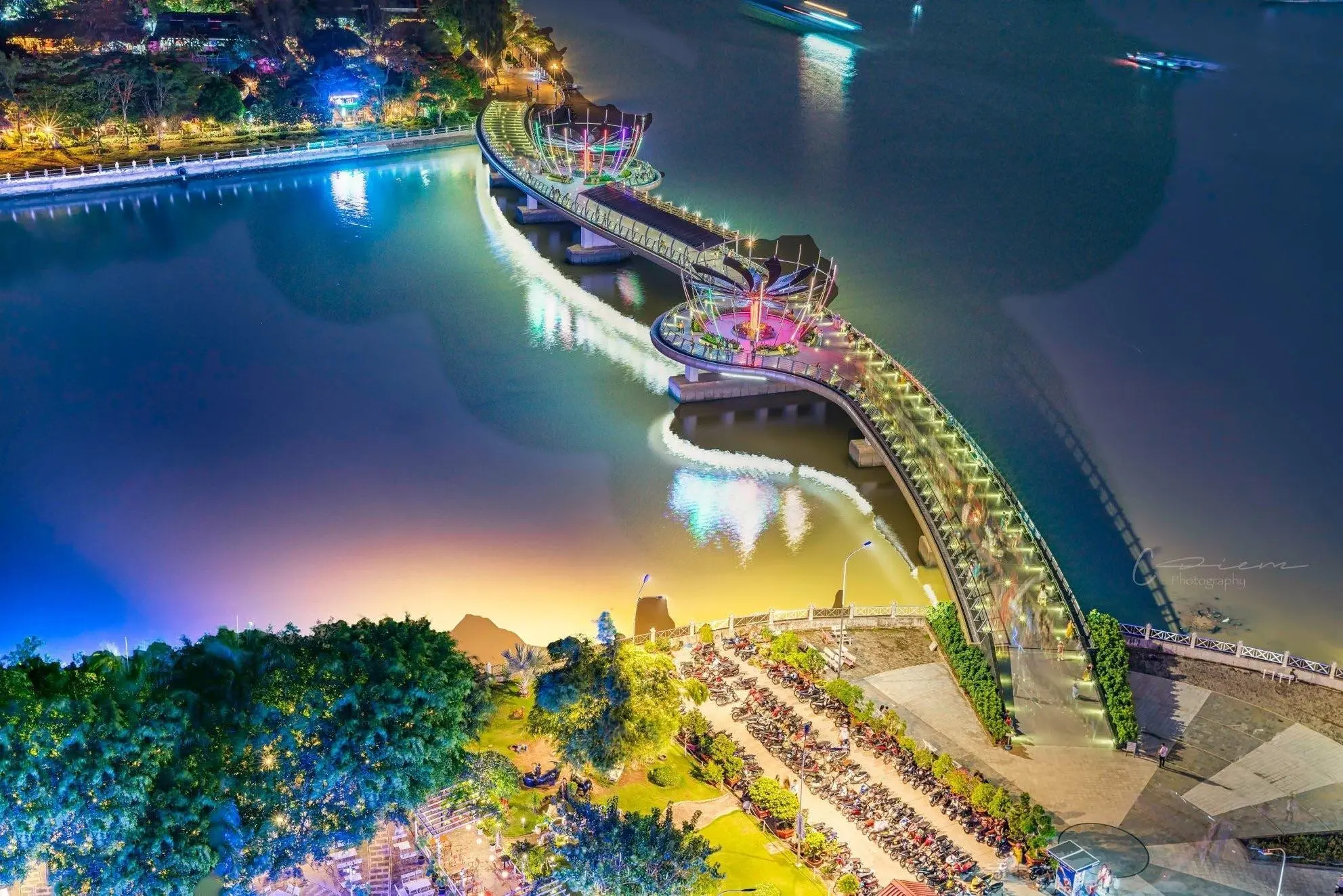
Overview of Vietnam Tourism and the Location of Can Tho
Over the past decade, Vietnam’s tourism industry has experienced strong growth in both scale and quality. With a coastline stretching over 3,260 kilometers, along with a rich system of cultural and natural heritage sites and distinct regional identities, Vietnam is now considered one of the most attractive destinations in Southeast Asia. Within this diverse tourism landscape, Can Tho stands out as a representative destination of Southwestern Vietnam – a place that fully embodies river culture, garden lifestyles, and the warm hospitality of local people.
Geographically, Can Tho is a centrally governed city of Vietnam and plays a vital role in the economic, cultural, and tourism development of the Mekong Delta. When comparing destinations, Hanoi impresses visitors with its thousand-year-old history, Ho Chi Minh City showcases modern vibrancy, and Hue reflects ancient serenity. In contrast, Can Tho tourism leaves a lasting impression through its simplicity, authenticity, and strong river-based cultural identity.
Why Is Can Tho a Must-Visit Destination When Traveling in Vietnam?
The Tourism Hub of Southwestern Vietnam
Can Tho is often referred to as the “capital of the Mekong Delta.” As a result, it serves as a major transit and connection point linking provinces such as An Giang, Dong Thap, Vinh Long, Soc Trang, and Hau Giang. Thanks to its increasingly developed transportation infrastructure, including road networks, waterways, and Can Tho International Airport, both domestic and international travelers can easily access this region when exploring Vietnam.
A Distinctive Riverine Cultural Identity
More importantly, nowhere else in Vietnam reflects the riverine lifestyle as vividly as Can Tho. The dense canal system, busy boats, and vibrant floating markets operating from early dawn together create a cultural image found nowhere else. Therefore, this unique lifestyle has become the most enduring attraction of Can Tho tourism, clearly distinguishing it from other destinations across Vietnam.
Gentle and Hospitable Local People
In addition to landscapes, people play a crucial role in shaping the travel experience in Vietnam. In Can Tho, visitors can easily feel the sincerity, friendliness, and helpfulness of local residents. Consequently, this creates a sense of closeness and tranquility, which is especially appreciated by international tourists seeking authentic cultural connections.
Typical Tourist Attractions in Can Tho
Cai Rang Floating Market – A Symbol of Can Tho Tourism
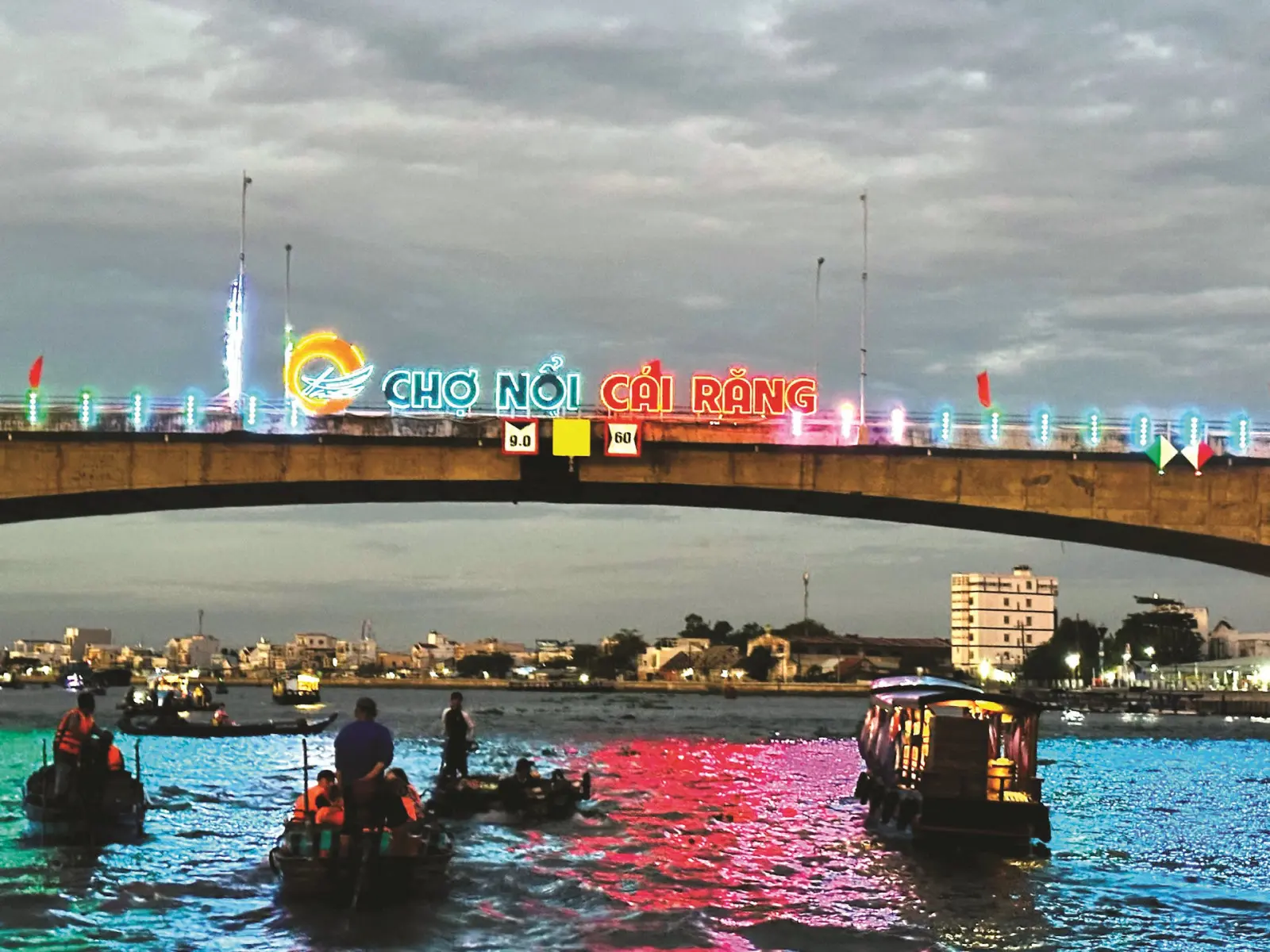
When mentioning tourism in Can Tho, Cai Rang Floating Market is impossible to overlook. Not only is it one of the largest floating markets in Vietnam, but it is also a cultural symbol of the Mekong Delta. The market opens early in the morning, usually from 5:00 to 7:00 a.m., on the Can Tho River, where hundreds of boats trade fruits, agricultural products, and local breakfast dishes.
What makes this market unique is the “hanging display” method, where sellers hang their products on tall poles for easy identification. As a result, the floating market is not merely a trading place but also a vivid reflection of economic and cultural life in the Mekong Delta, enriching Vietnam’s tourism image.
Ninh Kieu Wharf – The Heart of Can Tho City
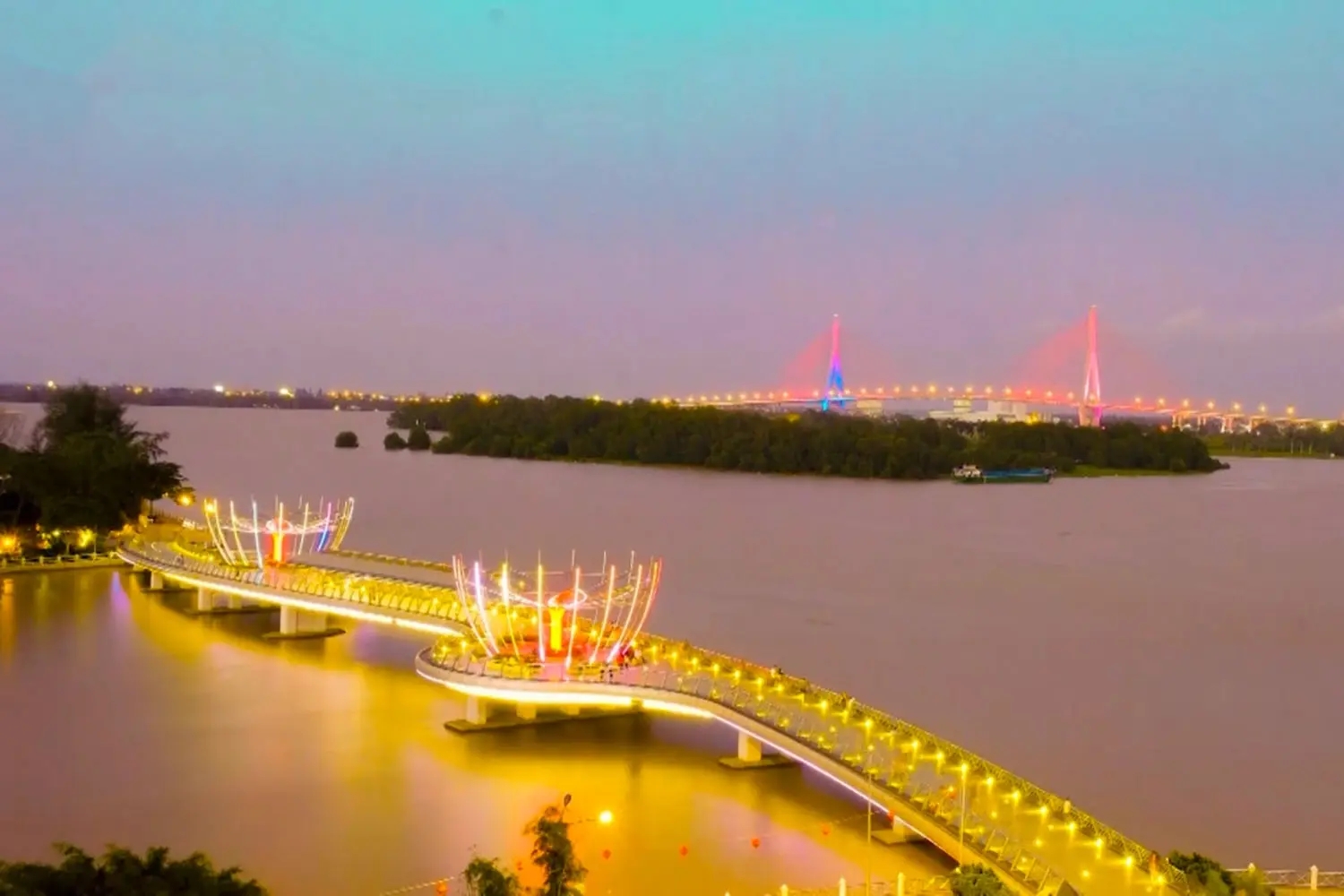
Located along the Hau River, Ninh Kieu Wharf is a familiar sightseeing and entertainment destination. During the daytime, it offers a peaceful riverside atmosphere. Meanwhile, at night, the area becomes lively with lights, cruise boats, street performances, and cultural activities, creating a vibrant urban tourism space in Can Tho.
Binh Thuy Ancient House – A Landmark of Southern Vietnamese Architecture
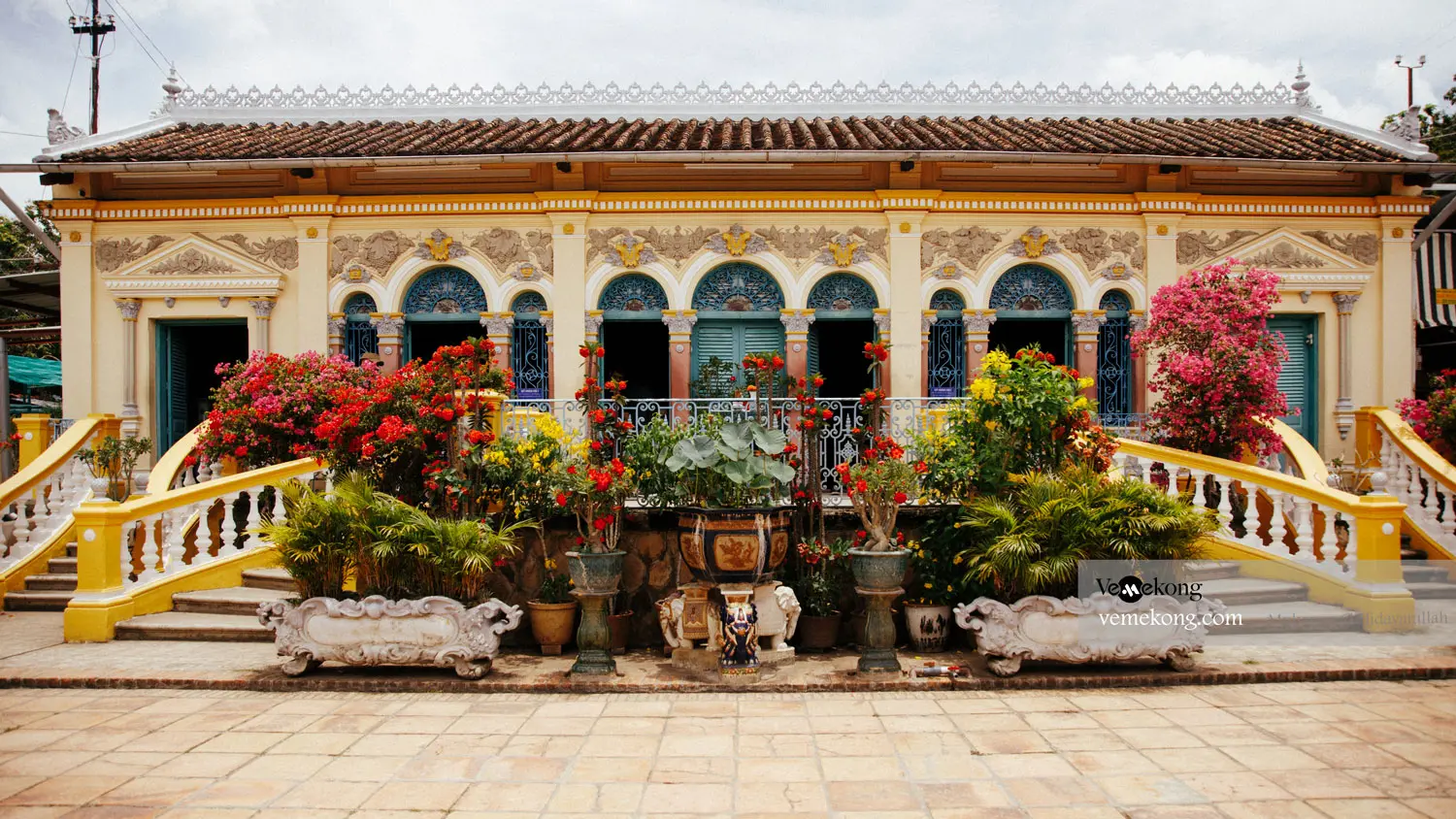
Furthermore, Binh Thuy Ancient House represents a harmonious combination of French architectural style and traditional Southern Vietnamese design. It is not only a popular tourist attraction but also a filming location for many domestic and international movies. Through visiting this site, travelers gain deeper insights into the lifestyle of wealthy landowners in the old Mekong Delta, thereby appreciating the historical depth of Can Tho tourism.
Phong Dien Fruit Garden – Experiencing the Countryside
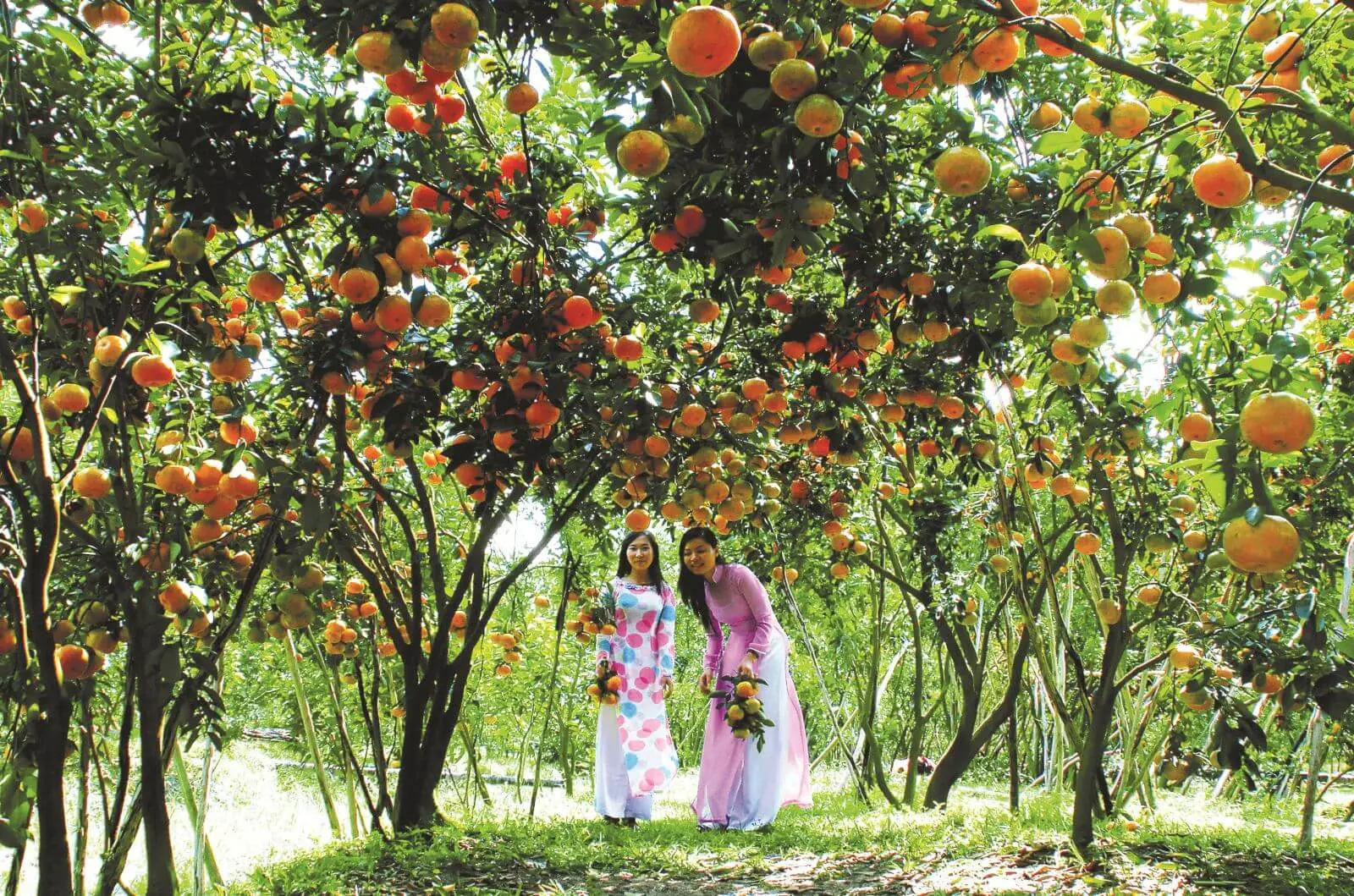
Phong Dien is widely known as a major fruit-growing area in Can Tho. Here, visitors can directly pick and enjoy fresh fruits such as durian, mangosteen, rambutan, and Ha Chau strawberries. As a result, this form of ecotourism is especially appealing to international travelers interested in Vietnam’s agricultural traditions.
Can Tho Cuisine – The Soul of Mekong Delta Tourism
Cuisine is an inseparable part of any journey in Vietnam. Accordingly, Can Tho is considered a culinary center of the Mekong Delta region.
Signature Dishes
-
Bánh xèo (Vietnamese savory pancake): crispy on the outside, filled with shrimp, pork, and bean sprouts, served with fresh garden vegetables.
-
Lẩu mắm (fermented fish hotpot): a bold and flavorful dish that clearly reflects Mekong Delta culinary culture.
-
Cá lóc nướng trui (grilled snakehead fish): simple yet deeply characteristic of the region.
-
Bún riêu, hủ tiếu, bánh cống: popular everyday dishes that are easy to enjoy.
Cuisine as a Tourism Product
Beyond dining, Can Tho cuisine has become an experiential tourism product. For example, many tours now combine sightseeing, cooking activities, and tasting local specialties, allowing visitors to understand the region’s culture more deeply.
Prominent Types of Tourism in Can Tho
Ecotourism
Ecotourism in Can Tho focuses on fruit orchards, riverside ecological zones, and tourist islets. Importantly, this development aligns with Vietnam’s sustainable tourism strategy.
Cultural and Experiential Tourism
At the same time, visitors can participate in local festivals, learn about daily life, and enjoy traditional folk music – an intangible cultural heritage of Vietnam. These activities offer high cultural value and emotional connection.
MICE Tourism and Leisure
In recent years, with the growth of hotels and resorts, Can Tho has expanded into MICE tourism, combining conferences, seminars, and leisure travel. As a result, the city’s tourism profile within the Mekong Delta has been significantly elevated.
Best Time to Visit and Practical Notes
-
Ideal time: Year-round, especially during fruit seasons.
-
Transportation: Fly to Can Tho International Airport or travel by road from Ho Chi Minh City.
-
Accommodation: Diverse options ranging from city hotels to countryside homestays.
-
Cultural awareness: Respect local lifestyles and protect the river environment.
The Role of Can Tho in Vietnam’s Tourism Development Strategy
Overall, Can Tho is not only a destination but also a strategic hub connecting tourism activities across the Mekong Delta. Therefore, investing in infrastructure, developing distinctive tourism products, and improving service quality in Can Tho plays a key role in diversifying Vietnam’s tourism offerings, reducing pressure on traditional destinations, and promoting sustainable development.
Conclusion
In the broader picture of Vietnamese tourism, Can Tho occupies a unique position – quiet, unpretentious, yet deeply memorable. Ultimately, a trip to Can Tho is a return to original values: gentle rivers, sincere people, rich culture, and a slow pace of life.
If you are looking for a destination that offers authentic experiences and cultural depth while exploring Vietnam, Can Tho is an ideal place to begin or conclude your journey.