

Introduction to This Sapa Travel Guide
This comprehensive Sapa travel guide is designed to help international travelers explore one of Vietnam’s most breathtaking highland destinations. Located in the northwest region of the country, Sapa is famous for its terraced rice fields, dramatic mountain scenery, ethnic minority cultures, and cool climate year-round. Unlike Vietnam’s tropical coastal cities, Sapa offers a completely different landscape shaped by mountains, mist, and tradition.
Whether you are seeking adventure, cultural immersion, or simply stunning photography locations, this Sapa travel guide provides everything you need to plan an unforgettable journey.
Overview of Sapa: Geography, Climate and Identity
Sapa is a mountain town located in Lao Cai Province, approximately 320 kilometers northwest of Hanoi. Nestled at an elevation of about 1,500 meters above sea level, the town enjoys a cool climate that contrasts sharply with the heat of Vietnam’s lowlands.
The region is part of the Hoang Lien Son mountain range, home to Fansipan — the highest peak in Indochina. The combination of rugged mountains, deep valleys, and terraced farmland creates one of Southeast Asia’s most iconic landscapes.
Sapa’s identity is closely tied to its ethnic minority communities, including the Hmong, Dao, Tay, Giay, and Xa Pho people. These groups maintain traditional dress, agricultural practices, and handicrafts that enrich the town’s cultural atmosphere.
Unlike urban destinations, Sapa’s charm lies in its natural beauty and slow-paced lifestyle. Mist often rolls through the valleys, giving the town a mystical appearance, especially in early morning and late afternoon.
Why Visit Sapa?
A complete Sapa travel guide must explain why this destination stands out among Vietnam’s many travel hotspots.
First, Sapa offers some of the most spectacular trekking routes in Asia. The terraced rice fields carved into mountain slopes create a unique pattern that changes color throughout the year — vibrant green in summer and golden during harvest season.
Second, Sapa is a cultural treasure. Visitors can interact with local ethnic communities, learn about traditional embroidery, and experience homestays in rural villages.
Third, adventure seekers can conquer Vietnam’s highest mountain, Fansipan, or take a scenic cable car ride for panoramic views.
Finally, Sapa’s cooler climate provides a refreshing escape from Vietnam’s tropical heat.
Top Attractions in This Sapa Travel Guide
1. Fansipan – The Roof of Indochina
The highlight of any Sapa travel guide is Fansipan, the highest mountain in Vietnam at 3,143 meters above sea level.
For experienced trekkers, multi-day hiking routes lead to the summit through dense forests and steep terrain. For those seeking comfort, the modern cable car system allows visitors to reach near the top in approximately 15 minutes.
At the summit, visitors are rewarded with breathtaking views over the Hoang Lien Son range. On clear days, the panoramic scenery is extraordinary. On misty days, the clouds create a dramatic and surreal atmosphere.

2. Muong Hoa Valley – Iconic Terraced Rice Fields
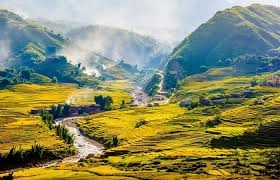
One of the most photographed locations in northern Vietnam is Muong Hoa Valley.
This valley is famous for its layered rice terraces that cascade down mountain slopes. The landscape transforms throughout the year:
-
April–May: Water-filled terraces reflecting the sky
-
June–August: Lush green rice plants
-
September–October: Golden harvest season
Trekking through Muong Hoa Valley allows visitors to experience rural life and witness farmers working in the fields.
3. Cat Cat Village – Traditional Hmong Culture
Located just a short walk from Sapa town center, Cat Cat Village is home to the Black Hmong ethnic group.
Visitors can explore traditional wooden houses, handicraft workshops, and small waterfalls. Women in colorful embroidered clothing often sell handmade textiles and silver jewelry.
While Cat Cat Village is more developed for tourism compared to remote villages, it remains an accessible introduction to local culture.
4. Ta Van Village – Authentic Homestay Experience
For a more immersive experience, this Sapa travel guide recommends visiting Ta Van Village.
Ta Van is home to the Giay and Red Dao communities. Many families offer homestays where visitors can sleep in traditional wooden houses, share meals, and learn about daily life.
Staying overnight allows travelers to experience peaceful mornings surrounded by mountains and rice fields.
5. Ham Rong Mountain – Viewpoint Overlooking Sapa Town
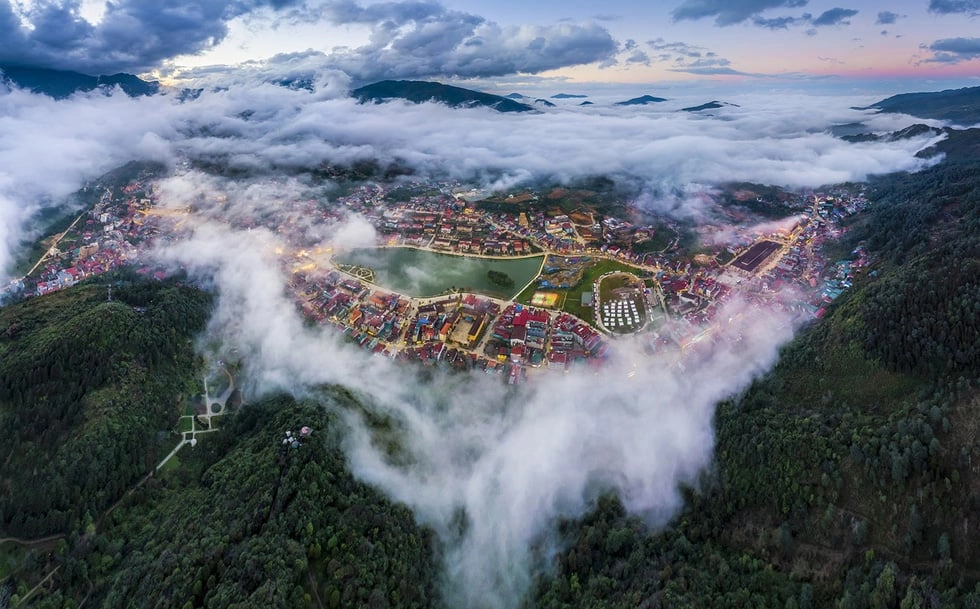
Located near the town center, Ham Rong Mountain provides panoramic views of Sapa town and surrounding valleys.
A short hike leads through landscaped gardens filled with flowers and stone formations. On clear days, visitors can see Fansipan in the distance.
Ham Rong Mountain is ideal for those who want scenic views without long trekking routes.
6. Love Waterfall – A Romantic Natural Escape
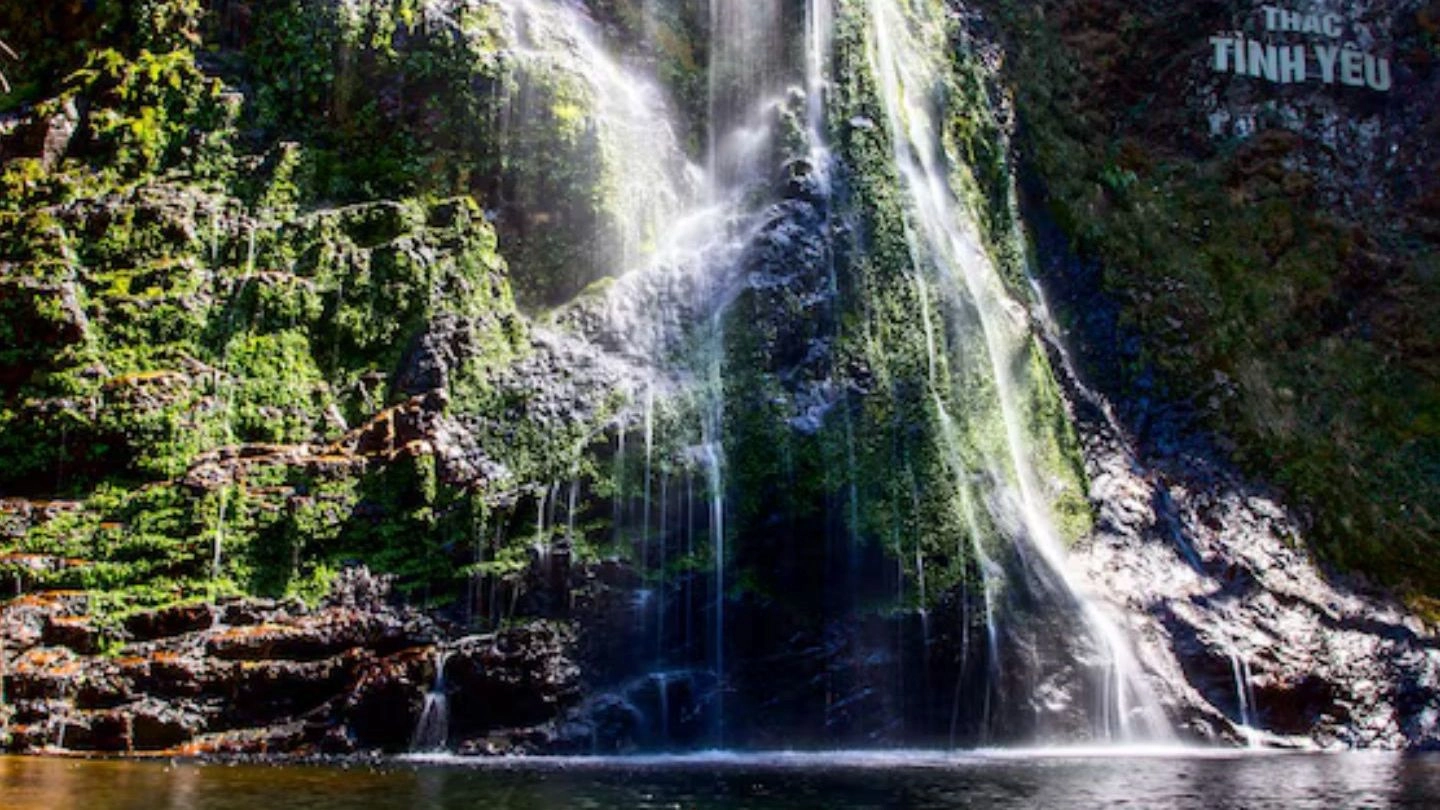
Hidden within Hoang Lien National Park, Love Waterfall is a picturesque waterfall surrounded by forest.
A walking trail through bamboo groves leads to the cascading water. The site is especially beautiful during the rainy season when water flow is strongest.
The waterfall is associated with a local legend about love between a fairy and a mountain boy, adding cultural significance to its beauty.
7. Silver Waterfall – Impressive Mountain Cascade
Another stunning natural attraction featured in this Sapa travel guide is Silver Waterfall.
Located along the road toward Fansipan, Silver Waterfall drops from over 200 meters. Visitors can climb steps for closer views of the rushing water.
The surrounding mountain scenery makes it an excellent stop for photography.
Best Time to Visit Sapa
Timing plays a crucial role in planning your Sapa travel guide itinerary.
-
Spring (March–May): Mild weather, blooming flowers
-
Summer (June–August): Green rice terraces, occasional rain
-
Autumn (September–October): Golden harvest season, clear skies
-
Winter (December–February): Cold temperatures, occasional frost or snow
September is considered the most photogenic period due to golden rice fields.
Cultural Experiences in Sapa
Beyond natural beauty, Sapa is a cultural destination.
Visitors can explore local markets where ethnic groups gather to trade goods. Traditional embroidery, herbal medicine, and handmade crafts are widely available.
The Sapa Love Market (held historically on Saturday evenings) was once a social gathering for young people from different villages. Although now more symbolic for tourism, it remains culturally interesting.
Participating in a cooking class or traditional herbal bath experience provides deeper insight into local customs.
Local Food to Try in Sapa
No Sapa travel guide is complete without mentioning local cuisine.
Popular dishes include:
-
Grilled skewers sold in the evening market
-
Salmon and sturgeon hotpot (thanks to Sapa’s cool climate)
-
Thang Co (traditional horse meat soup)
-
Sticky rice cooked in bamboo
The cool weather makes hot soups and grilled food particularly enjoyable.
How to Get to Sapa
Travelers can reach Sapa by overnight train or bus from Hanoi to Lao Cai City, followed by a one-hour transfer to Sapa town.
Modern sleeper buses are convenient and affordable. Private cars offer more flexibility for families or groups.
Accommodation Options in Sapa
Sapa offers diverse accommodation options:
-
Luxury mountain resorts with panoramic views
-
Boutique hotels in town center
-
Budget hostels for backpackers
-
Traditional homestays in rural villages
Many eco-lodges are designed to blend harmoniously with the surrounding landscape.
Travel Tips for Visiting Sapa
-
Bring warm clothing, even in summer evenings
-
Wear proper trekking shoes
-
Respect local customs and ask before photographing people
-
Book trekking tours with licensed local guides
Weather conditions can change quickly, so preparation is essential.
Conclusion: Why This Sapa Travel Guide Matters
This detailed Sapa travel guide demonstrates that Sapa is more than just a scenic mountain town. It is a destination where dramatic landscapes, cultural heritage, and adventure combine to create a truly unique experience.
From conquering Fansipan to trekking through Muong Hoa Valley, from village homestays to waterfall explorations, Sapa offers diversity rarely found in one destination.
For travelers seeking authenticity, natural beauty, and cultural depth, Sapa remains one of Vietnam’s most rewarding journeys.
If you are planning your next adventure in Southeast Asia, let this Sapa travel guide be your starting point.