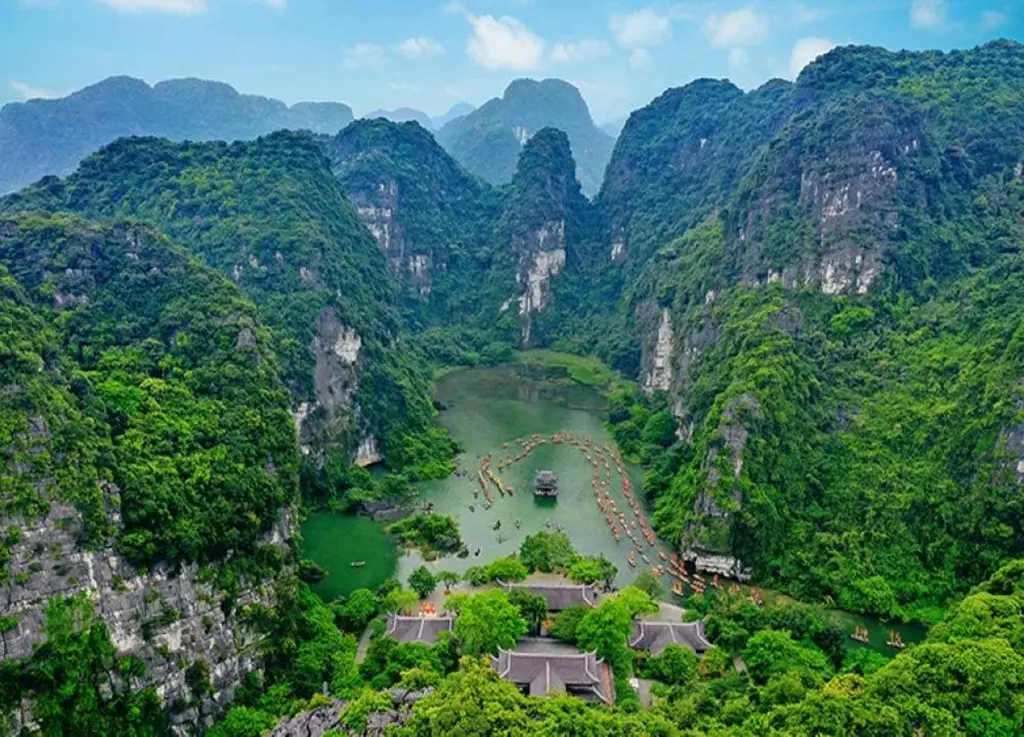

Hue is one of Vietnam’s most culturally significant destinations, known as the former imperial capital of the Nguyen Dynasty. Located in Central Vietnam, Hue offers travelers a unique blend of royal architecture, sacred temples, peaceful rivers, and refined cuisine. This Hue Vietnam travel guide provides complete information about top attractions, cultural experiences, local food, travel tips, and suggested itineraries for a meaningful journey.
With its calm rhythm and deep historical roots, Hue is ideal for travelers seeking cultural depth rather than crowded entertainment centers. Whether you are interested in heritage sites, spiritual retreats, or culinary discovery, Hue delivers a rich and authentic experience.
Where Is Hue and Why It Is Important in Vietnamese History
Hue is located in Thua Thien Hue Province, along the banks of the Perfume River, about 100 kilometers north of Da Nang. From 1802 to 1945, Hue served as the capital of Vietnam under the Nguyen Dynasty, making it the political, cultural, and religious center of the country for more than a century.
Today, Hue is recognized by UNESCO as a World Cultural Heritage Site thanks to its preserved imperial structures and royal tomb complexes. Unlike modern cities, Hue maintains a quiet atmosphere that reflects its royal past and spiritual traditions.
Main historical values of Hue:
-
Former imperial capital of Vietnam
-
Home to royal palaces, citadels, and temples
-
Center of traditional court music and rituals
-
Strong influence of Confucian, Buddhist, and royal culture
Top Attractions in Hue You Should Not Miss
The Imperial City (Citadel of Hue)
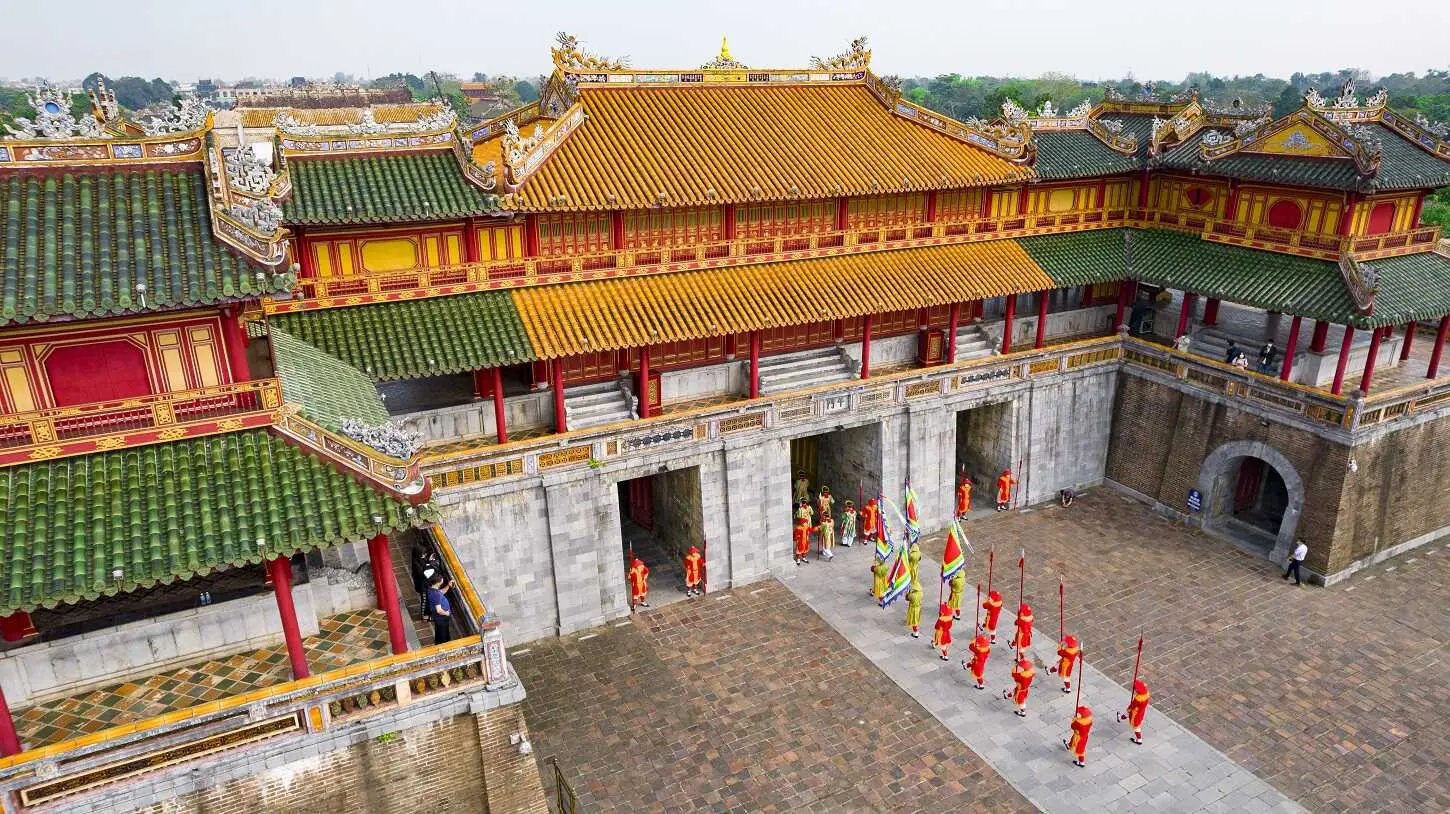
The Imperial City is the heart of Hue and the most visited historical attraction. It consists of three main areas: the Citadel, the Imperial City, and the Forbidden Purple City, where only the royal family once lived.
Visitors can explore royal gates, throne halls, courtyards, and ancient gardens that reflect classical Vietnamese architecture influenced by Chinese feng shui principles.
Highlights inside the Imperial City:
-
Ngo Mon Gate
-
Thai Hoa Palace (Coronation Hall)
-
Royal temples and inner courtyards
-
Ancient royal gardens
Royal Tombs of the Nguyen Emperors
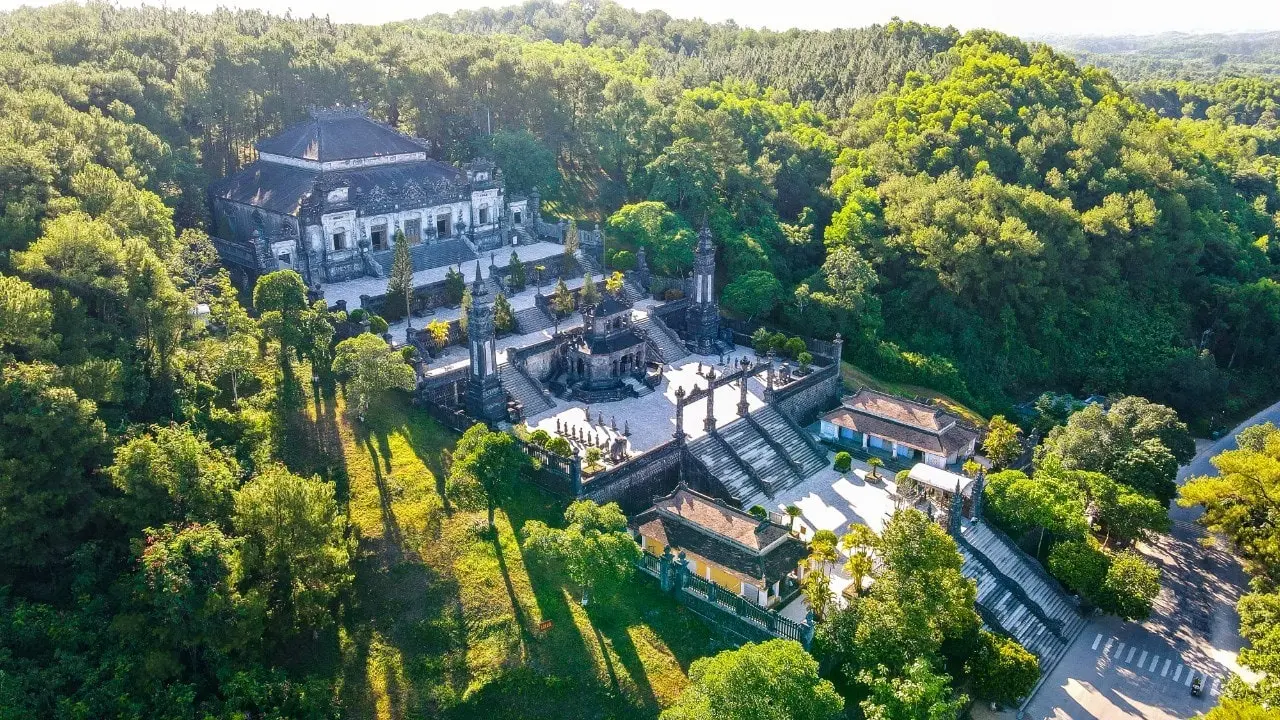
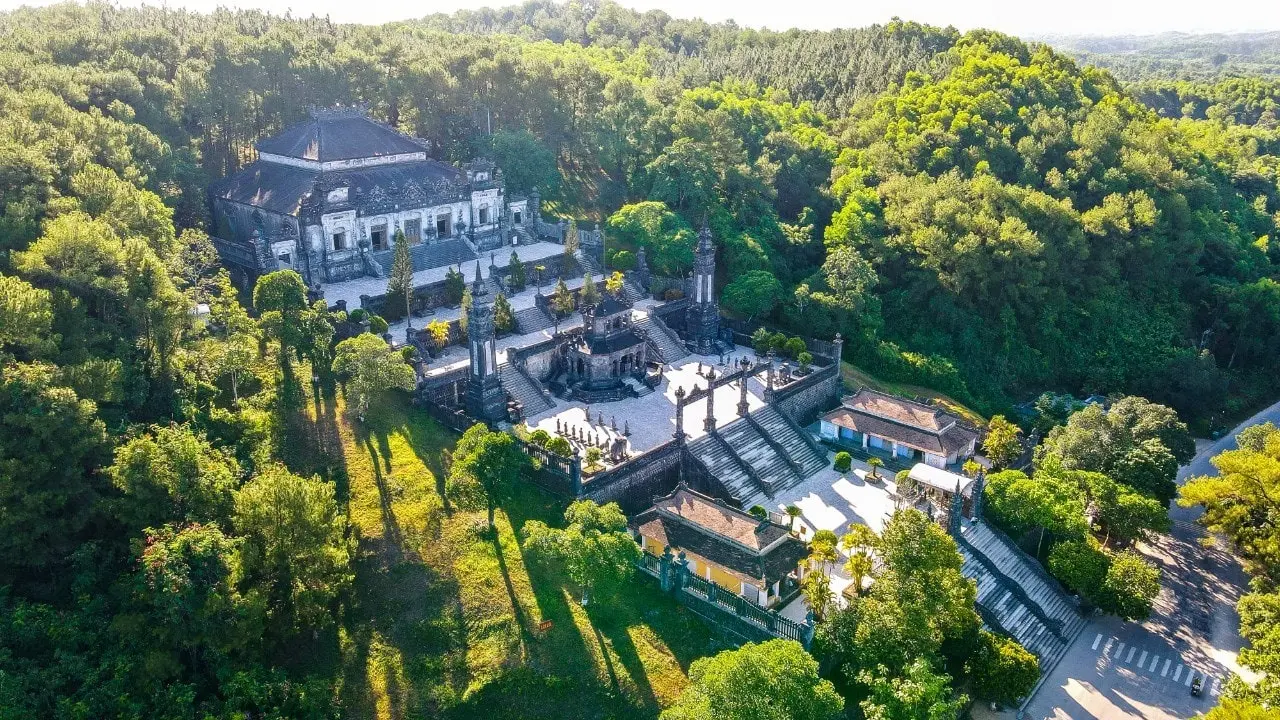
Along the Perfume River and surrounding hills are the majestic royal tombs of Nguyen emperors. Each tomb reflects the personality and philosophy of the emperor it honors.
Most famous tombs:
-
Tomb of Minh Mang – symmetrical and harmonious with nature
-
Tomb of Khai Dinh – European-influenced architecture with mosaic art
-
Tomb of Tu Duc – poetic landscape with lakes and pine forests
These tombs are not only burial sites but also royal retreat areas designed for meditation and reflection.
Thien Mu Pagoda – Symbol of Hue
Thien Mu Pagoda is the oldest pagoda in Hue, located on a hill overlooking the Perfume River. The seven-story Phuoc Duyen Tower is considered an iconic symbol of the city.
Visitors often combine pagoda visits with boat trips along the river, creating a peaceful and spiritual experience.
Perfume River Cruise Experience
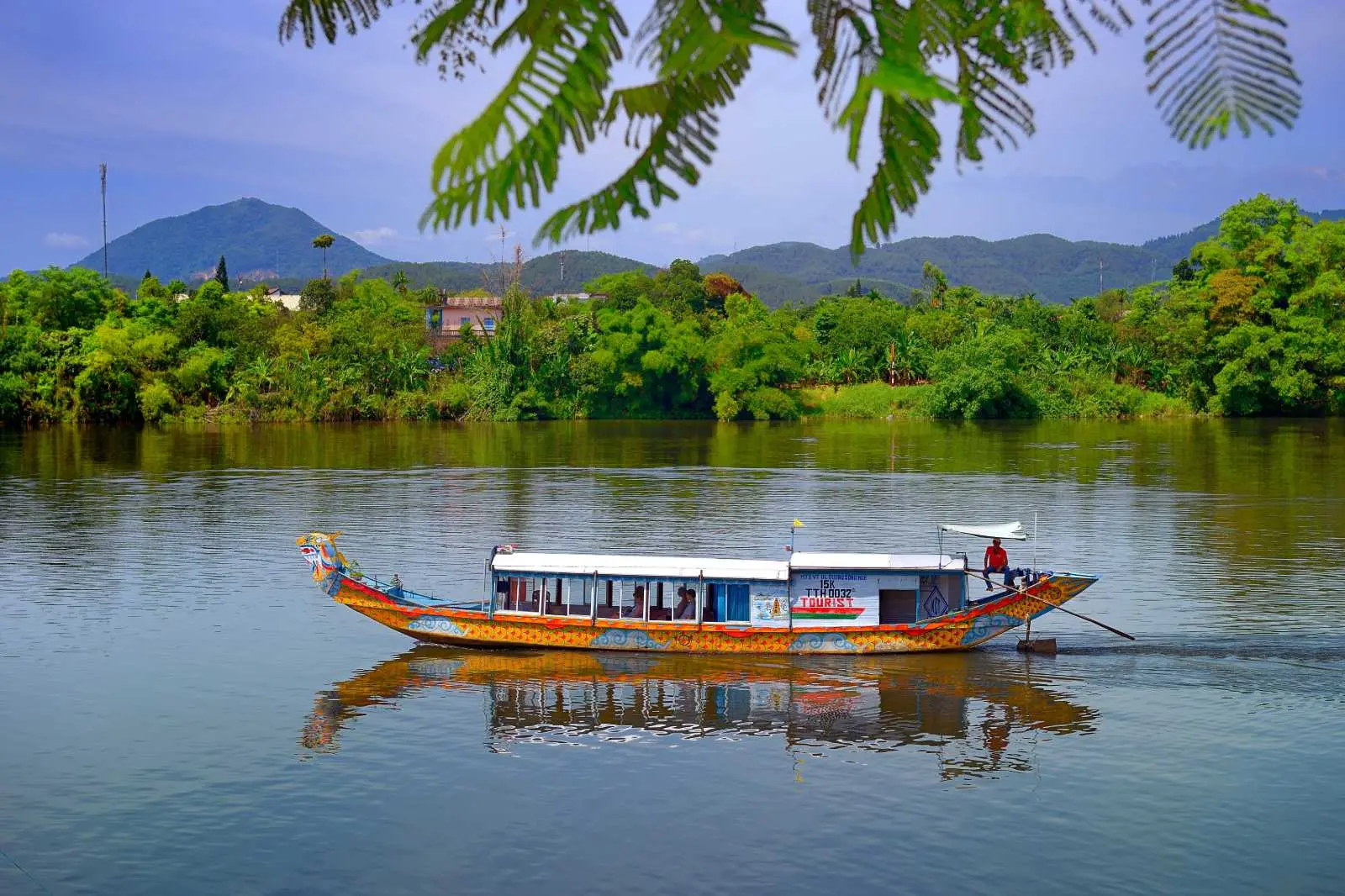
A dragon boat cruise on the Perfume River offers scenic views of villages, pagodas, and river life. Many evening cruises also include traditional Hue folk music performances.
This experience is ideal for couples, families, and cultural travelers who want to relax while enjoying local traditions.
Unique Cultural Experiences in Hue
Hue is famous for preserving royal traditions that are rare in other parts of Vietnam.
Royal Court Music (Nha Nhac)
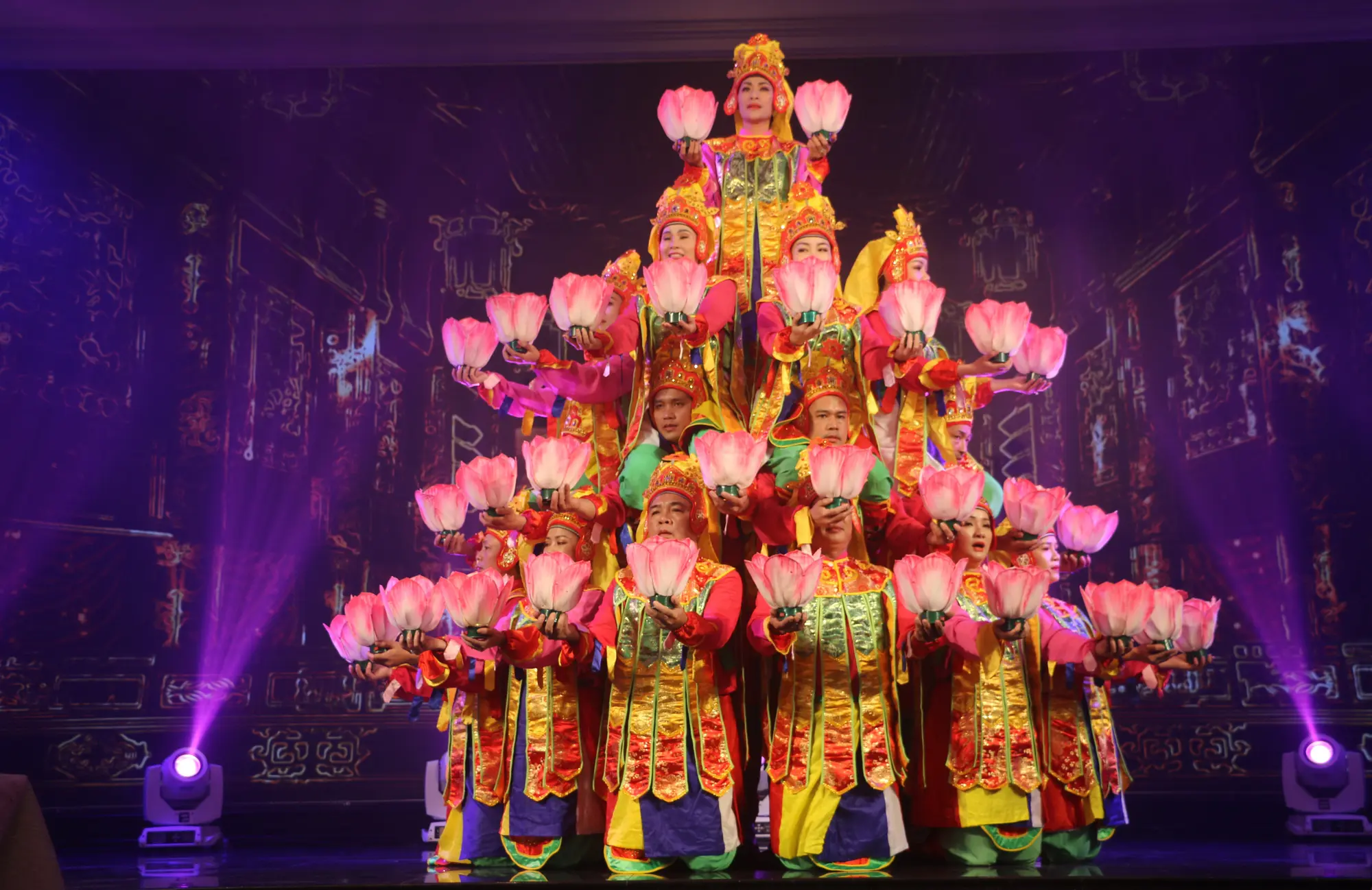
Nha Nhac is recognized by UNESCO as an Intangible Cultural Heritage. This traditional music was once performed only for royal ceremonies and special court events.
Today, visitors can enjoy live performances in theaters or on river cruises.
Traditional Craft Villages
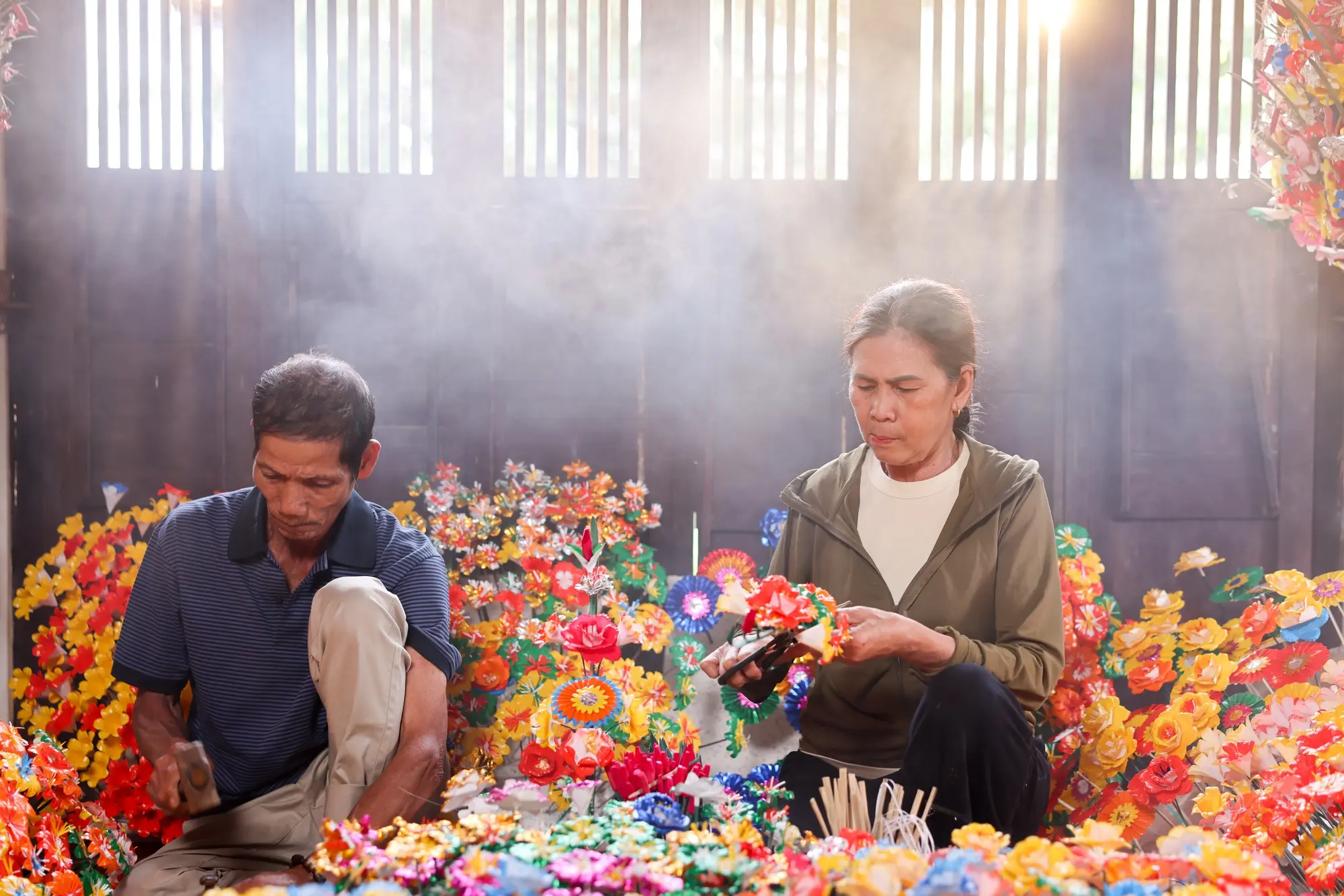
Surrounding Hue are many craft villages producing incense, paper flowers, bronze casting, and conical hats.
Popular villages include:
-
Thanh Tien paper flower village
-
Thuy Xuan incense village
-
Phuoc Tich ancient village
Visitors can observe handmade production and even join short workshops.
Hue Local Cuisine – A Refined Royal Culinary Tradition
Hue cuisine is famous for its elegant presentation and balanced flavors. Many dishes were originally created for royal banquets, focusing on small portions but rich taste.
Must-Try Hue Dishes
-
Bun Bo Hue – spicy beef noodle soup with lemongrass
-
Banh Beo, Banh Nam, Banh Loc – traditional rice cakes
-
Com Hen – rice with baby clams and herbs
-
Nem Lui – grilled pork skewers wrapped in rice paper
Hue food is not overly sweet or oily, making it suitable for most international visitors.
Best Ways to Explore Hue
By Bicycle
Hue is flat and calm, making cycling a popular way to explore villages, riverside roads, and hidden temples.
By Private Car or Guided Tour
For royal tombs located outside the city center, private cars or guided tours offer convenience and historical explanations.
By Boat
River transport is suitable for sightseeing and cultural tours, especially in the late afternoon.
Best Time to Visit Hue for Cultural Travel
Hue has a tropical climate with distinct wet and dry seasons. The dry months offer better sightseeing conditions, while rainy periods bring cooler temperatures and fewer tourists.
Festivals such as Hue Festival often include royal performances, parades, and cultural exhibitions, making the city more vibrant.
Travelers who prefer peaceful experiences may enjoy visiting outside peak holiday periods.
Why Hue Is Ideal for Cultural and Heritage Tourism
Hue stands out from modern cities by preserving its spiritual rhythm and royal heritage. Unlike fast-paced destinations, Hue encourages slow travel, reflection, and meaningful exploration.
Key advantages of Hue tourism:
-
UNESCO heritage sites
-
Deep historical storytelling
-
Rich culinary traditions
-
Friendly and calm local lifestyle
-
Affordable travel costs
For travelers seeking authenticity and education, Hue is one of Vietnam’s most rewarding destinations.
Conclusion – Hue as the Heart of Vietnamese Heritage
This Hue Vietnam travel guide shows that Hue is more than a tourist city; it is a living museum of royal traditions and spiritual culture. From imperial palaces and sacred pagodas to refined cuisine and peaceful river life, Hue offers an experience that connects visitors with Vietnam’s historical soul.
Whether you travel alone, with family, or in organized tours, Hue provides cultural depth, scenic beauty, and unforgettable memories. For travelers who value heritage and meaningful experiences, Hue remains one of the most important destinations in Vietnam.