

Why Visit Hue Imperial City?
Hue Imperial City is one of Vietnam’s most remarkable travel destinations, offering a unique blend of history, culture, and natural beauty. Famous for the Imperial Citadel, royal tombs, the Perfume River, and authentic Vietnamese cuisine, Hue provides visitors with an opportunity to experience the country’s imperial legacy. Whether you are passionate about history, architecture, or local culture, Hue promises memorable experiences throughout your journey.
Hue – Vietnam’s Historic Imperial Capital
For more than 140 years, Hue served as the capital of the Nguyen Dynasty, the last imperial dynasty of Vietnam. Today, the city preserves a remarkable collection of palaces, temples, gates, royal tombs, and historic monuments that reflect Vietnam’s royal heritage.
In 1993, the Complex of Hue Monuments was recognized as a UNESCO World Heritage Site, making Hue one of Southeast Asia’s most significant historical destinations. Every year, millions of domestic and international visitors come to explore its rich history and architectural beauty.
Unlike Vietnam’s larger cities, Hue offers a peaceful atmosphere with tree-lined streets, riverside scenery, and a slower pace of life that encourages travelers to relax while discovering its cultural treasures.
Hue Imperial Citadel – The Symbol of the Ancient Capital
The Hue Imperial Citadel is the city’s most iconic attraction. It once served as the political and administrative center of the Nguyen Dynasty and was home to Vietnam’s emperors and royal family.
Inside the vast complex, visitors can explore the Imperial City, the Forbidden Purple City, magnificent gates, ceremonial halls, royal residences, and beautifully landscaped gardens. Every structure showcases traditional Vietnamese architecture influenced by Eastern philosophy and royal design.
Most visitors spend two to three hours exploring this UNESCO World Heritage Site.
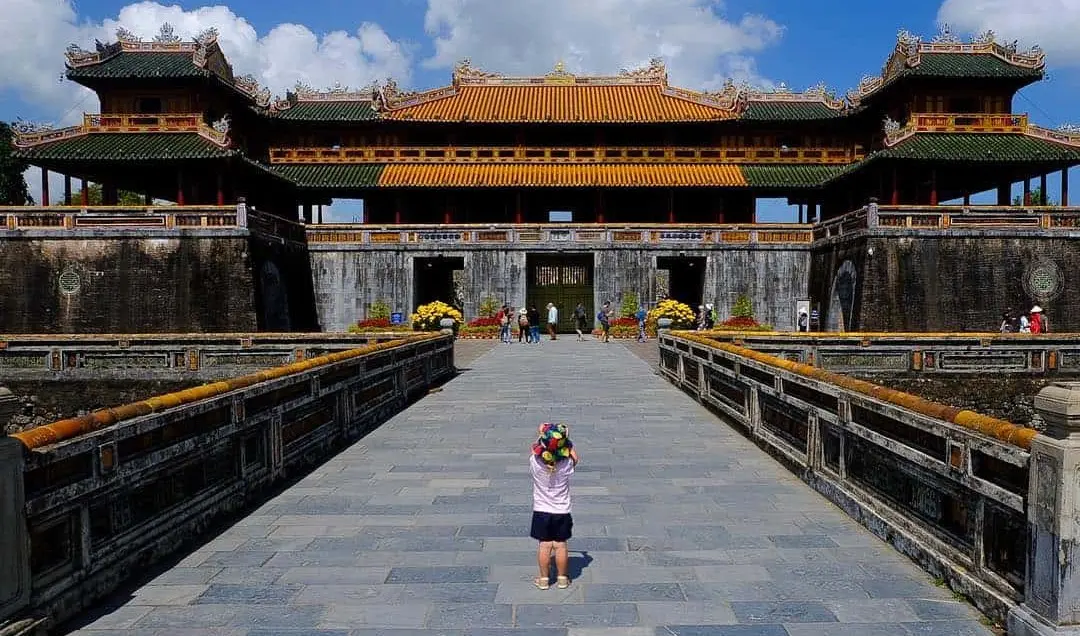
The Legacy of the Nguyen Dynasty
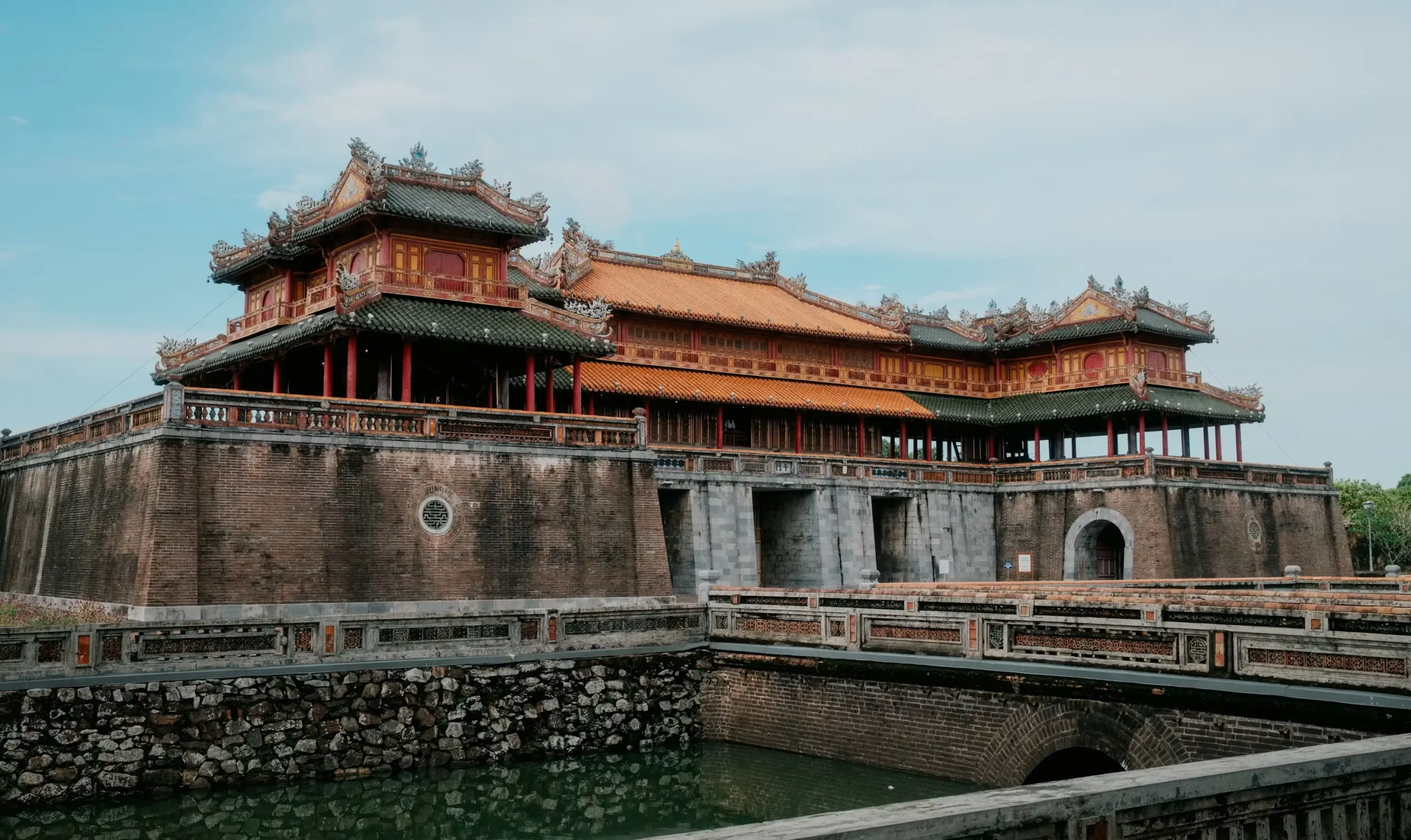
Beyond the Imperial Citadel, Hue features many historical landmarks, including Thai Hoa Palace, Ngo Mon Gate, The Mieu Temple, and the Nine Dynastic Urns.
Each monument reflects the political, cultural, and artistic achievements of the Nguyen Dynasty while providing visitors with valuable insight into Vietnam’s imperial history.
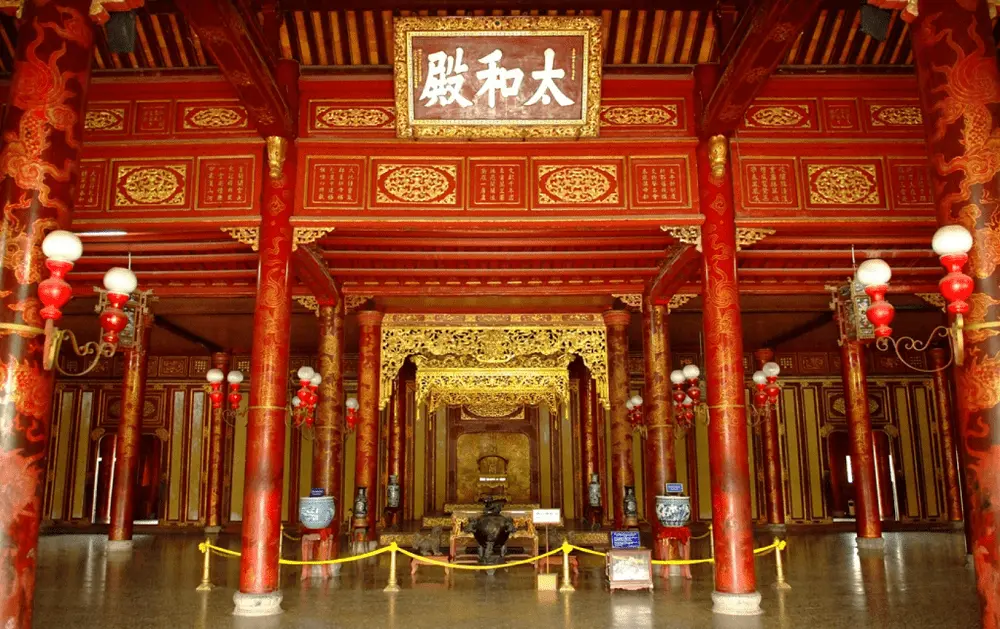
A City Rich in Cultural Festivals
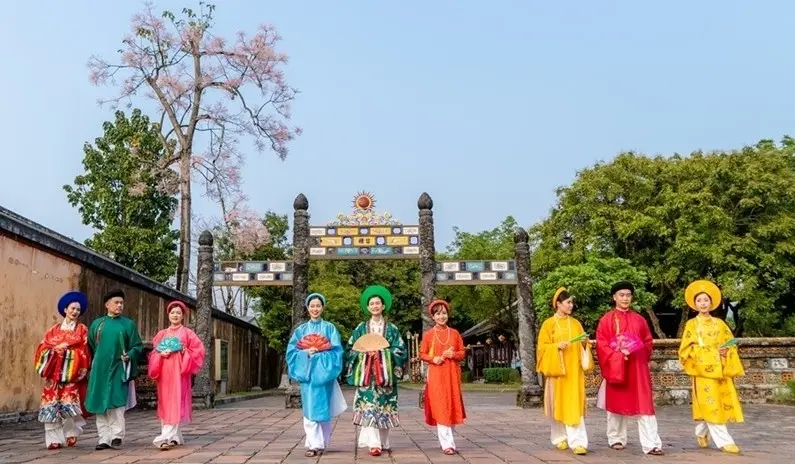
Hue is also well known for the Hue Festival, an international cultural event celebrating traditional Vietnamese arts, royal court music, performances, and cultural exchanges with countries around the world.
Visiting during the festival allows travelers to experience the city’s vibrant atmosphere while learning more about Vietnam’s cultural heritage.
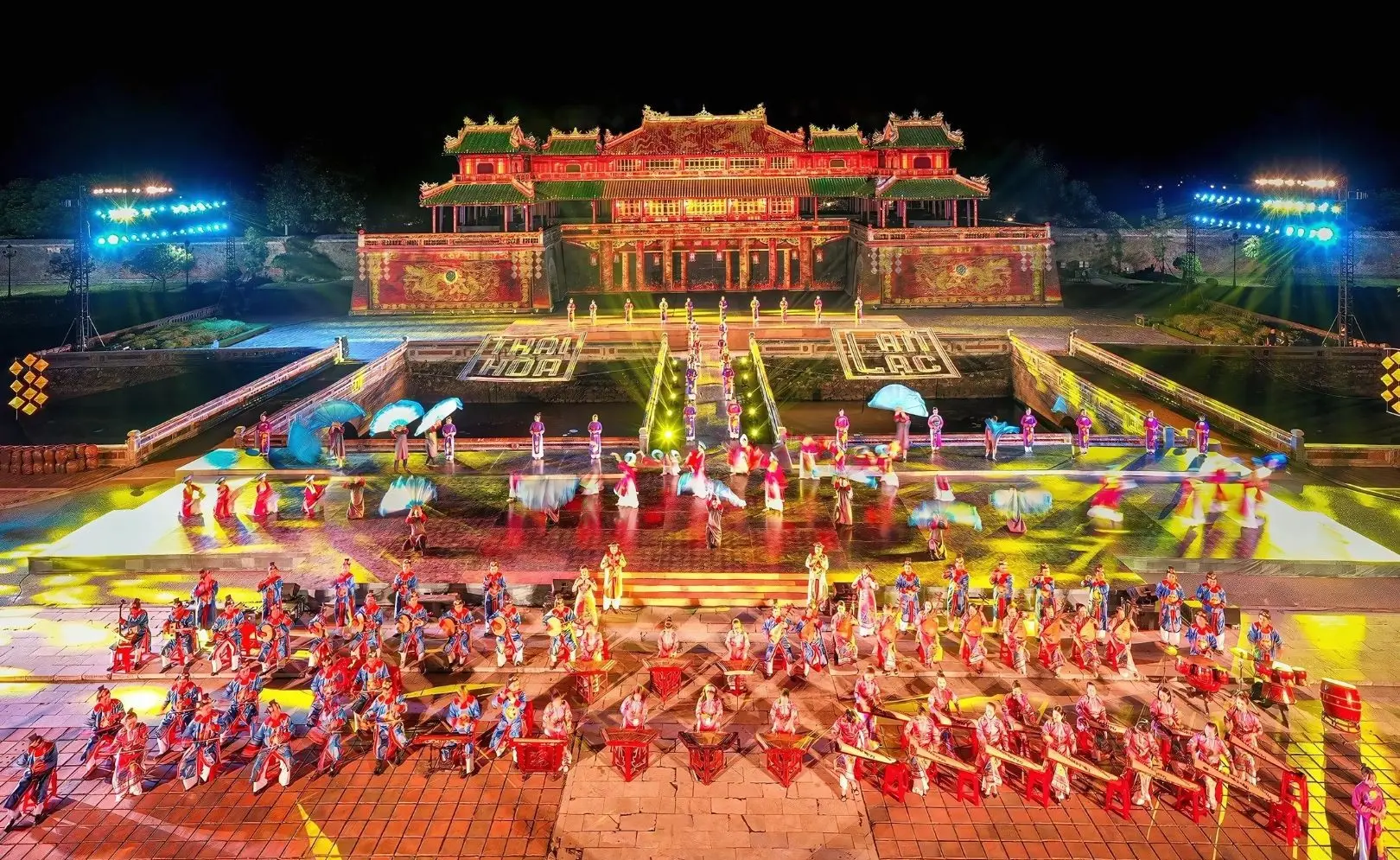
Top Attractions in Hue Imperial Citadel
Beyond the Imperial Citadel, Hue offers numerous attractions that combine historical significance, natural beauty, and local culture. Whether you are interested in royal architecture, religious sites, or scenic landscapes, the city has something for every traveler.
Khai Dinh Tomb
Khai Dinh Tomb stands out for its remarkable blend of Vietnamese and European architectural styles. Constructed with marble, porcelain, glass mosaics, and reinforced concrete, it is one of the most distinctive royal tombs in Vietnam.
The elaborate interior decoration and intricate craftsmanship make it a favorite destination for photographers and architecture enthusiasts.
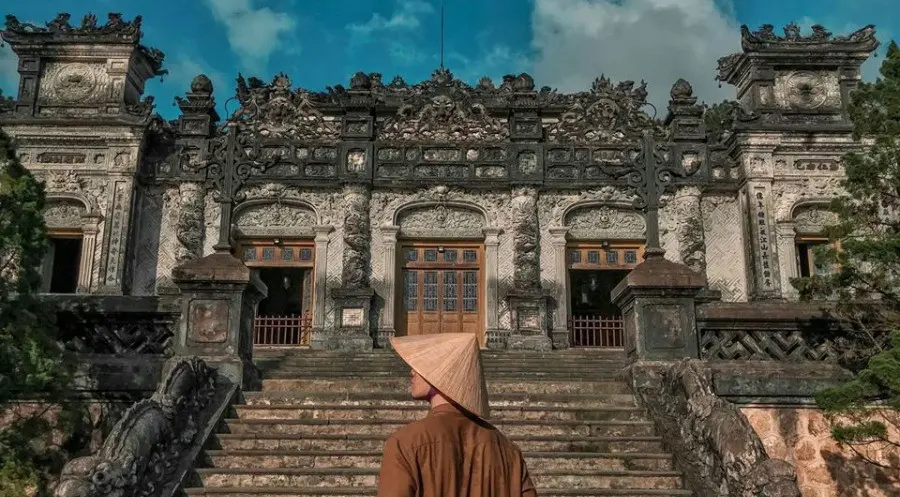
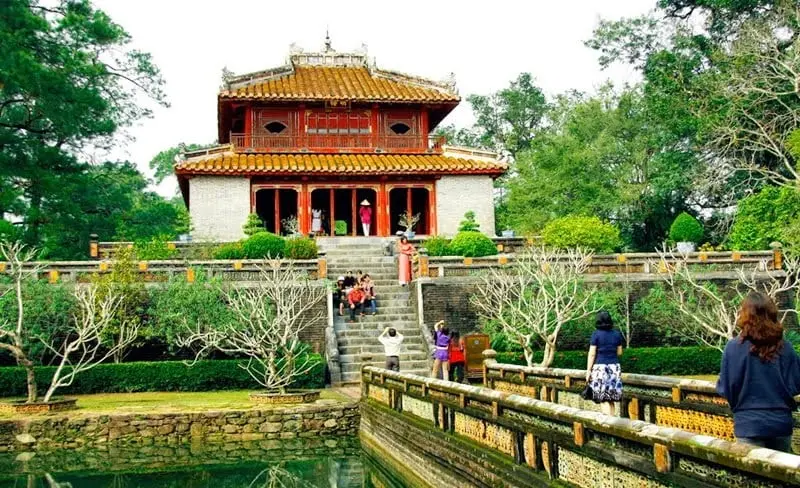
Minh Mang Tomb
Surrounded by lakes, pine forests, and peaceful gardens, Minh Mang Tomb is considered one of the finest examples of traditional Nguyen Dynasty architecture.
Its harmonious layout perfectly integrates architecture with the surrounding natural landscape, creating a tranquil environment for visitors.
Thien Mu Pagoda
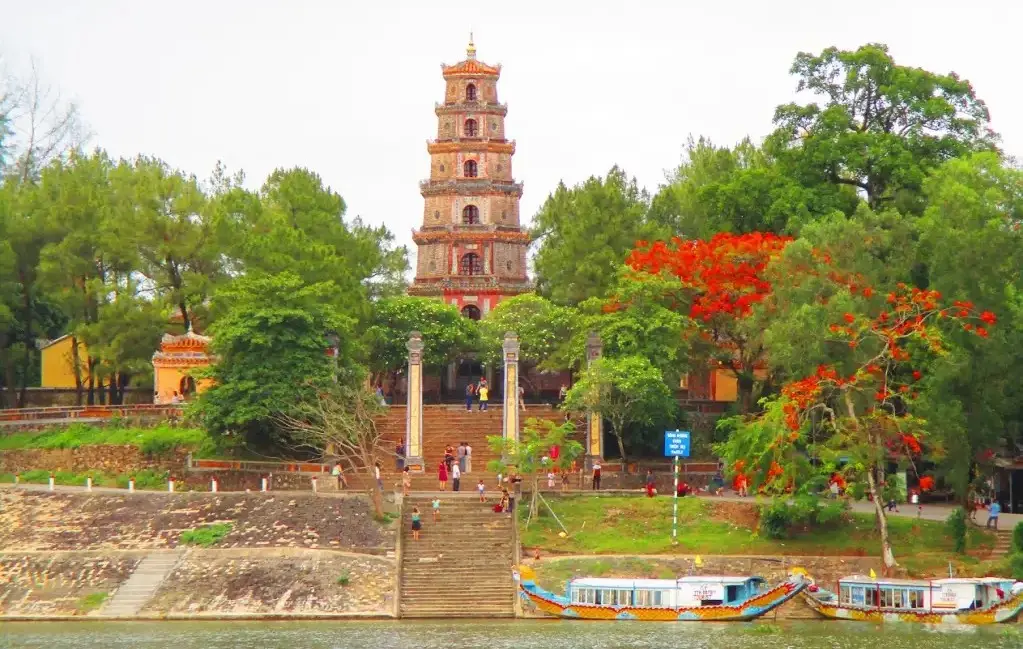
Located on the banks of the Perfume River, Thien Mu Pagoda is one of Hue’s most recognizable landmarks.
Its seven-story Phuoc Duyen Tower has become a symbol of the city and offers visitors a peaceful atmosphere for spiritual reflection and sightseeing.
Perfume River
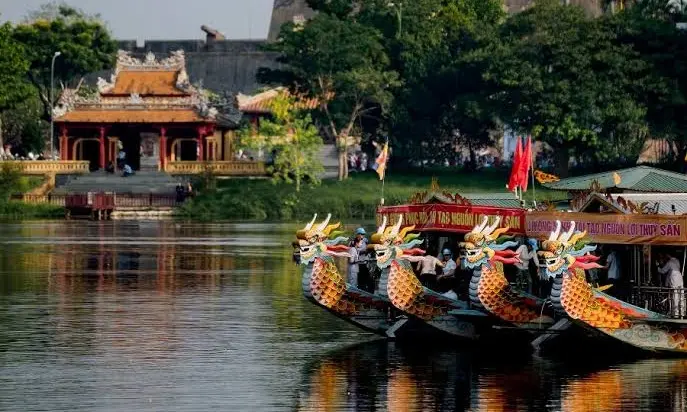
The Perfume River flows gently through the heart of Hue and adds a romantic charm to the city.
Travelers can enjoy dragon boat cruises, listen to traditional Hue folk music, or admire the sunset from Truong Tien Bridge.
At night, the illuminated riverfront creates one of Hue’s most picturesque scenes.
Vong Canh Hill
Vong Canh Hill offers panoramic views of the Perfume River, lush forests, and the surrounding countryside.
It is particularly beautiful during spring and summer, making it a popular destination for photographers and nature lovers.

Thuy Xuan Incense Village
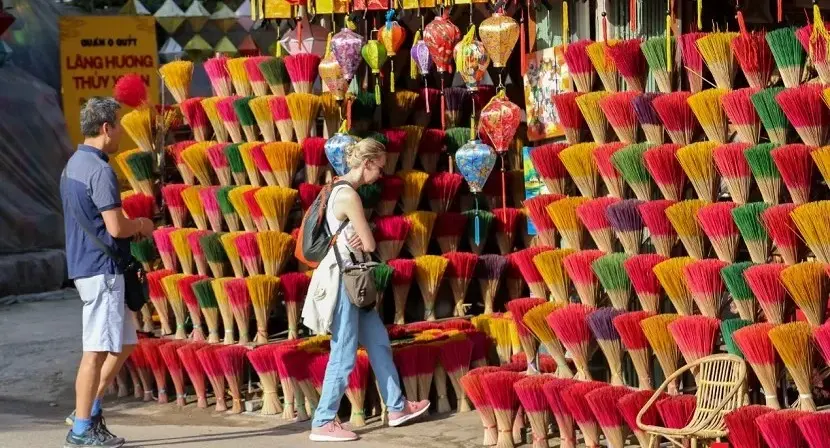
Thuy Xuan Incense Village is famous for its colorful incense sticks arranged in beautiful fan-shaped displays.
Visitors can learn about traditional incense-making techniques while purchasing locally crafted souvenirs.
Experience Hue’s Unique Culinary Heritage
Hue’s cuisine is one of the city’s greatest cultural treasures. Influenced by royal traditions and local ingredients, Hue offers an impressive variety of dishes that are both elegant and flavorful. From famous street food to refined imperial cuisine, every meal tells a story of the city’s rich history.
Whether you are dining at a local market or a riverside restaurant, exploring Hue’s food scene is an essential part of any visit.
Bun Bo Hue – Vietnam’s Iconic Noodle Soup
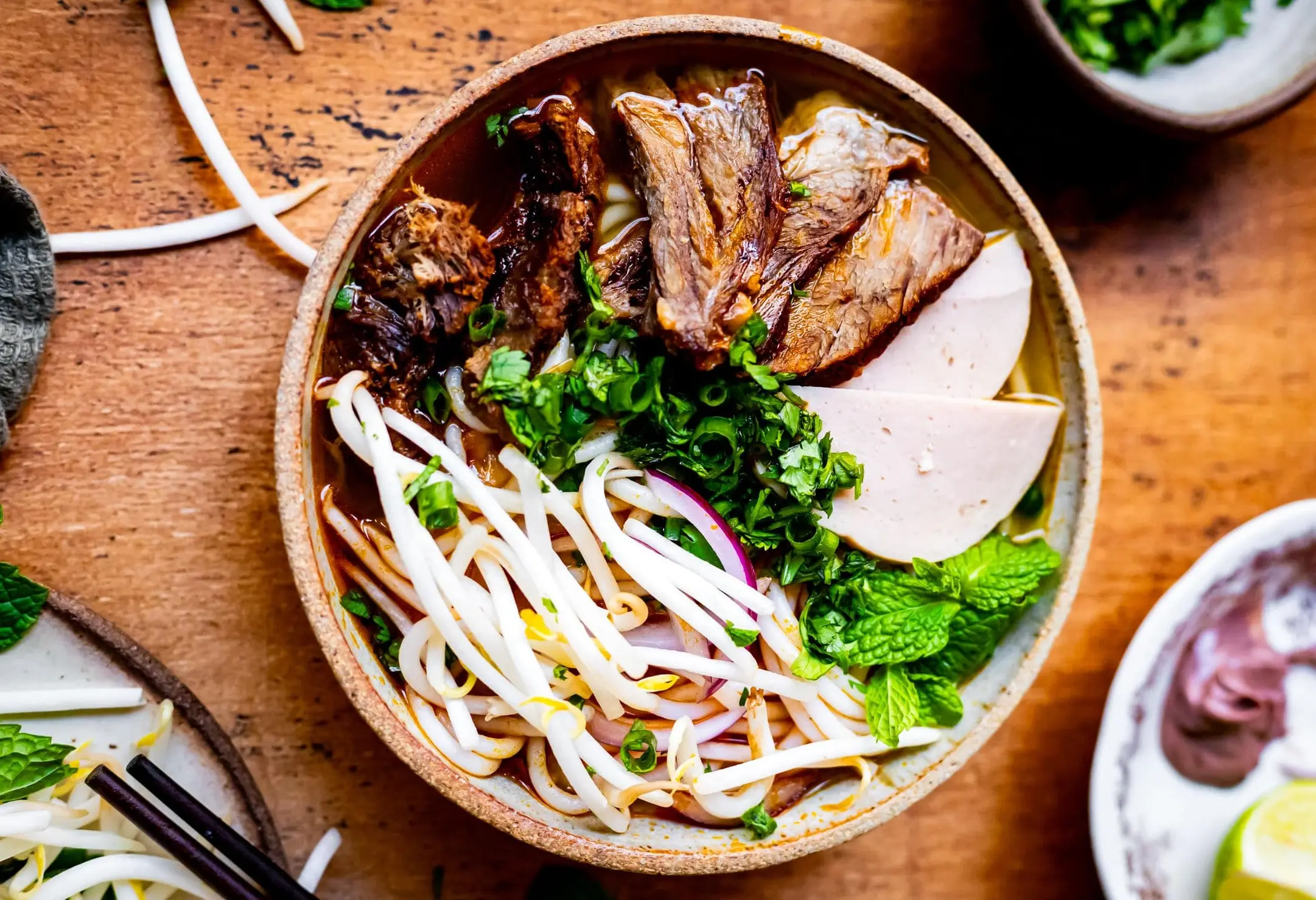
No trip to Hue is complete without tasting Bun Bo Hue, one of Vietnam’s most beloved noodle dishes.
The broth is slowly simmered with beef bones, lemongrass, and aromatic spices, creating a rich yet balanced flavor. A traditional bowl typically includes sliced beef, pork knuckle, crab cake, fresh herbs, and thick rice noodles.
Unlike Pho, Bun Bo Hue has a slightly spicy and more robust taste, making it a favorite among both locals and international visitors.
Traditional Hue Cakes
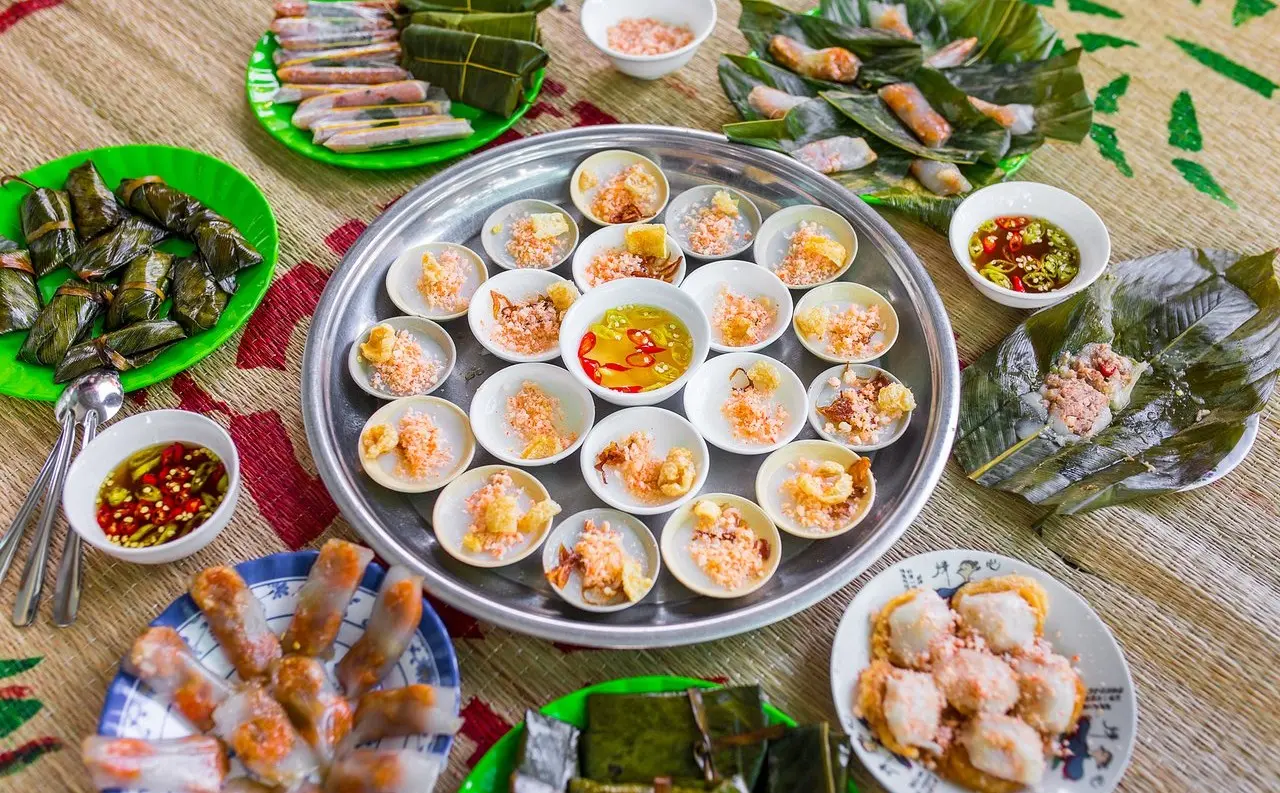
Hue is well known for its variety of traditional rice cakes, including Banh Beo, Banh Nam, Banh Bot Loc, and Banh Ram It.
Made from rice flour, shrimp, pork, and local ingredients, these small dishes are beautifully presented and served with a signature fish sauce that enhances their delicate flavors.
Sampling these traditional cakes is an excellent way to discover the authentic taste of Central Vietnamese cuisine.
Com Hen and Hue Sweet Soups of Hue Imperial Citadel
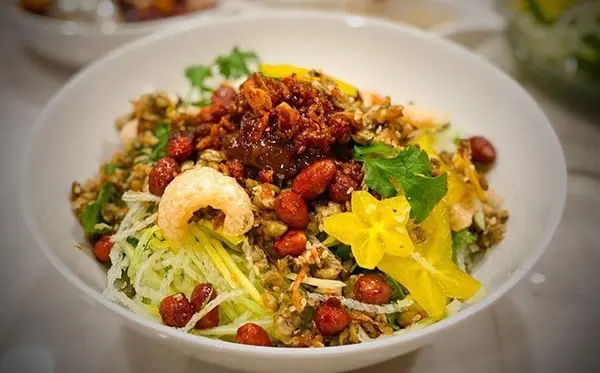
Another local favorite is Com Hen, a humble dish made with baby clams, rice, fresh herbs, roasted peanuts, crispy pork skin, and warm clam broth.
For dessert, visitors can enjoy Hue’s famous sweet soups, including lotus seed sweet soup, purple yam sweet soup, corn sweet soup, and longan stuffed with lotus seeds.
These desserts perfectly complement the rich flavors of Hue’s savory dishes.
Essential Travel Tips for Visiting Hue Imperial City
Planning ahead can make your journey more enjoyable. Knowing the best season to visit, transportation options, and practical travel advice will help you make the most of your stay in Hue.
Best Time to Visit Hue Imperial Citadel
Hue experiences a tropical monsoon climate with distinct dry and rainy seasons.
The best time to visit is from February to April, when temperatures are pleasant, rainfall is minimal, and outdoor sightseeing is most comfortable.
If you are interested in cultural events, consider planning your trip around the Hue Festival, which showcases traditional performances, royal court music, and international cultural exchanges.
Getting Around Hue Imperial Citadel
Hue is easily accessible via Phu Bai International Airport, which offers regular domestic flights from Hanoi, Ho Chi Minh City, and other major destinations.
Within the city, visitors can travel by taxi, ride-hailing services, rental motorcycles, bicycles, or cyclos for a more traditional experience.
For attractions located outside the city center, renting a motorbike or hiring a private car provides greater flexibility.

Useful Travel Advice of Hue Imperial Citadel
When visiting temples, pagodas, and historical monuments, dress respectfully and follow local customs.
Bring sunscreen, drinking water, comfortable walking shoes, and a hat, especially during warmer months.
Purchasing a combined entrance ticket for multiple heritage sites can help save both time and money if you plan to explore several attractions.
Suggested Hue Imperial City Itineraries
Whether you have one weekend or several days, Hue offers enough attractions to create a memorable itinerary filled with history, culture, cuisine, and natural beauty.
2 Days, 1 Night in Hue
Day 1
- Explore Hue Imperial Citadel
- Visit Ngo Mon Gate
- Discover Thai Hoa Palace
- Visit Thien Mu Pagoda
- Take a dragon boat cruise on the Perfume River
- Enjoy traditional Hue folk music in the evening
Day 2
- Visit Khai Dinh Tomb
- Explore Minh Mang Tomb
- Stop by Thuy Xuan Incense Village
- Shop at Dong Ba Market
- Enjoy an authentic bowl of Bun Bo Hue before departure
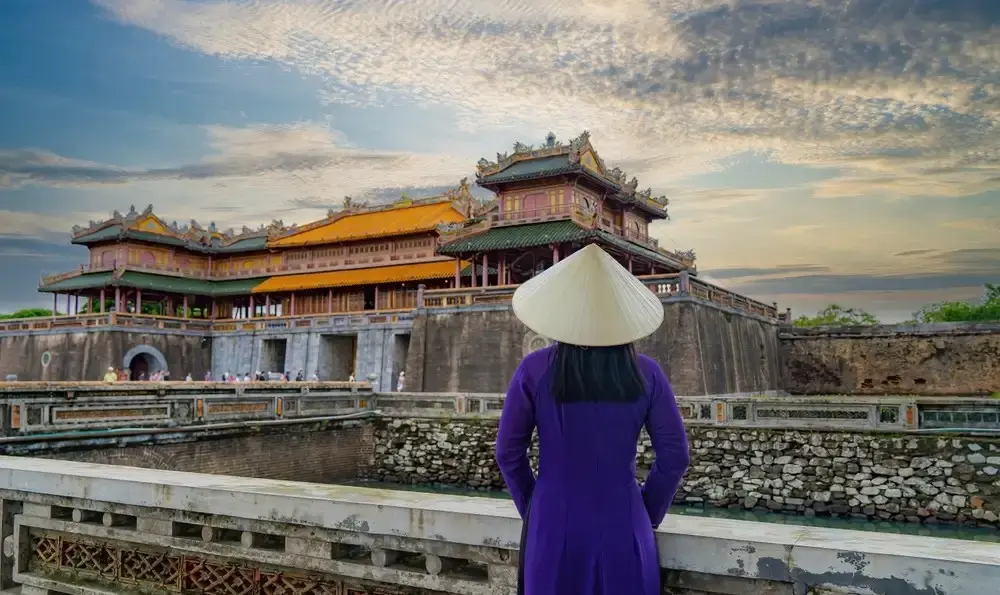
A traveler in a traditional purple Áo Dài admiring the grand architecture of Ngo Mon Gate across the royal moat. Immerse yourself in timeless imperial heritage at the Hue Imperial Citadel with startour.
3 Days, 2 Nights in Hue
With an extra day, you can explore even more of Hue’s natural beauty and cultural attractions.
Recommended destinations include:
- Vong Canh Hill
- Thuan An Beach
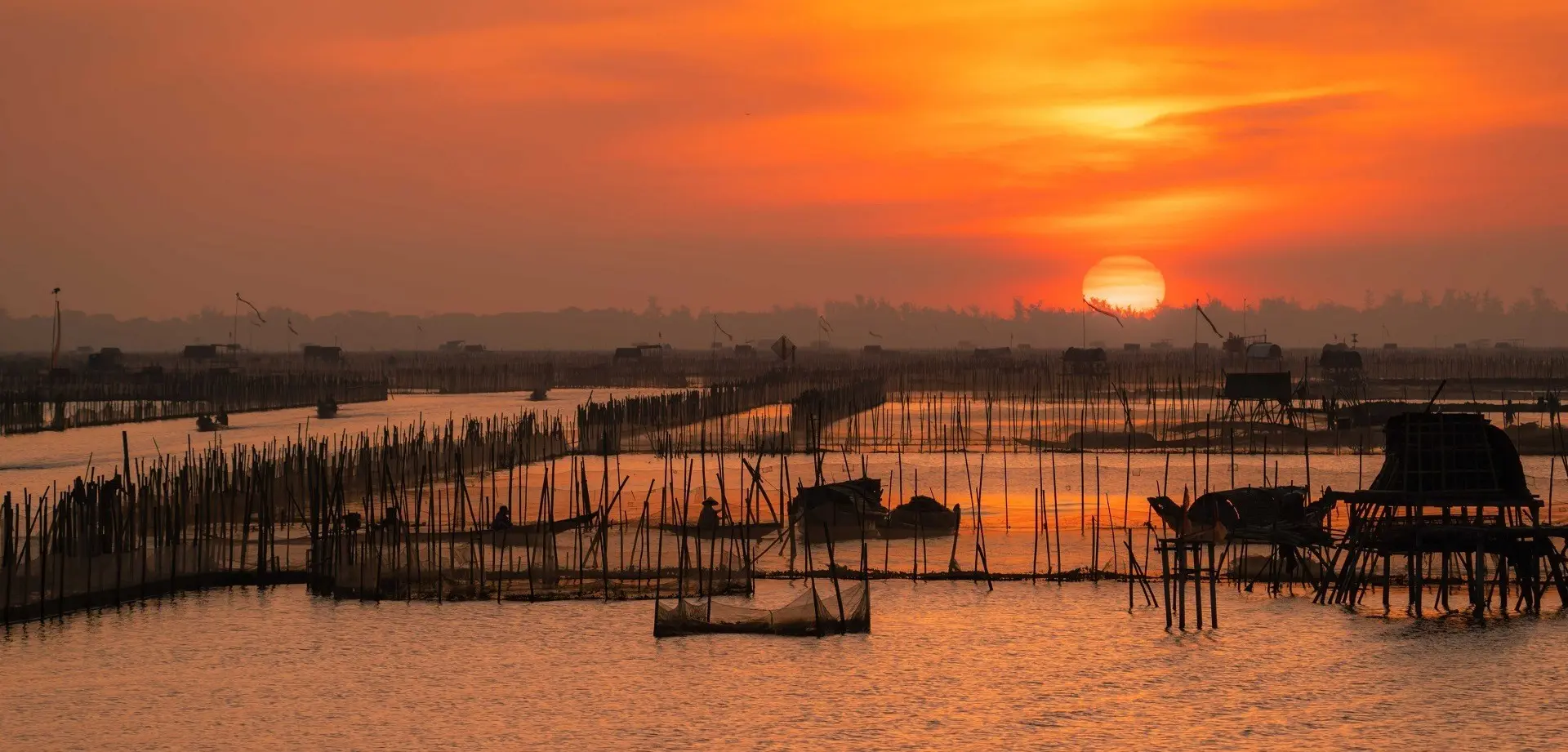
- Tam Giang Lagoon
- Bach Ma National Park
- Traditional craft villages
- Riverside cafés overlooking the Perfume River
This itinerary provides a balanced mix of history, local culture, and outdoor experiences, allowing you to discover Hue at a more relaxed pace.
Why Should Hue Imperial City Be on Your Vietnam Travel List?
Hue is much more than Vietnam’s former imperial capital. It is a destination where history, architecture, spirituality, cuisine, and nature come together to create unforgettable travel experiences.
From exploring the UNESCO-listed Hue Imperial City and magnificent royal tombs to cruising along the Perfume River and tasting authentic Central Vietnamese cuisine, every moment in Hue offers a deeper understanding of Vietnam’s cultural identity.
Whether you are planning your first trip to Vietnam or returning to discover more of the country, Hue deserves a place on your itinerary. Its timeless heritage, welcoming atmosphere, and diverse attractions make it one of the most rewarding destinations in Southeast Asia.