

Looking for a destination that blends history, culture and riverside charm?
This detailed Hoi An travel guide will help you explore one of Vietnam’s most beautiful and well-preserved towns.
Located in Quang Nam Province along Vietnam’s central coast, Hoi An is famous for its lantern-lit streets, ancient architecture and vibrant culinary scene.
Whether you are interested in cultural heritage, photography or relaxing by the beach, Hoi An offers a memorable travel experience.
Overview of Hoi An: Geography, History and Cultural Identity
Hoi An sits along the Thu Bon River, about 30 kilometers south of Da Nang.
Its strategic location once made it one of Southeast Asia’s busiest trading ports.
Geographic Setting
Hoi An lies between river and sea.
The town is close to An Bang Beach and Cua Dai Beach.
Rice paddies and small villages surround the area.
This setting creates a peaceful countryside atmosphere.
The tropical climate includes a dry season from February to August.
The rainy season usually lasts from September to January.
Flooding occasionally occurs during heavy rains.
However, it also contributes to the region’s fertile soil.
Historical Background
From the 15th to the 19th century, Hoi An was a major international trading port.
Merchants from China, Japan and Europe conducted business here.
The architectural landscape reflects these cultural influences.
Wooden houses, temples and assembly halls remain well preserved.
In 1999, Hoi An Ancient Town was recognized as a UNESCO World Heritage Site.
This status helped protect its historical integrity.
Unlike rapidly modernizing cities, Hoi An maintains a traditional urban layout.
Narrow streets and yellow-painted houses define its visual identity.
Cultural Identity and Lifestyle
Hoi An is known for its slow pace of life.
Bicycles and walking are common forms of transportation.
Lanterns decorate streets and houses year-round.
They symbolize prosperity and happiness.
Local artisans continue traditional crafts such as lantern-making and tailoring.
The town is especially famous for custom-made clothing.
This blend of heritage and living culture gives Hoi An a timeless atmosphere.
It feels both historic and alive.
Top Attractions in This Hoi An Travel Guide
No Hoi An travel guide would be complete without exploring its iconic landmarks and surrounding areas.
Hoi An Ancient Town
The centerpiece of any Hoi An travel guide is the UNESCO-listed Ancient Town. This remarkably preserved district dates back to the 15th century and reflects a harmonious blend of Vietnamese, Chinese, Japanese, and European influences.
The town’s narrow pedestrian streets are lined with yellow-painted wooden houses, traditional shopfronts, and decorative lanterns. Many buildings remain functional as family homes, cafés, art galleries, or tailor shops.
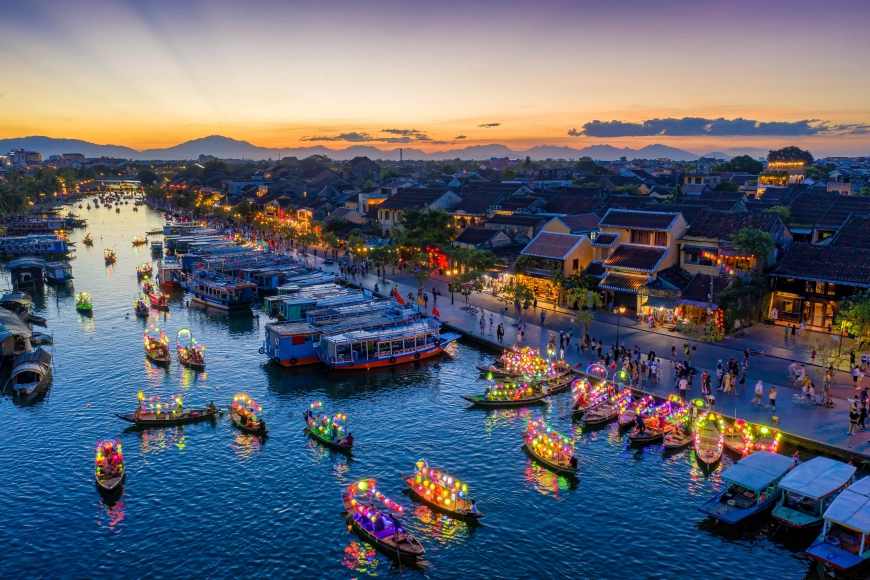
During the day, sunlight highlights textured walls and wooden shutters. At night, colorful lanterns illuminate the streets, creating one of Southeast Asia’s most romantic urban landscapes.
Visitors can purchase an entrance ticket that grants access to selected heritage houses, temples, and museums. Walking through the Ancient Town feels like stepping back in time while still enjoying modern comforts.
Japanese Covered Bridge
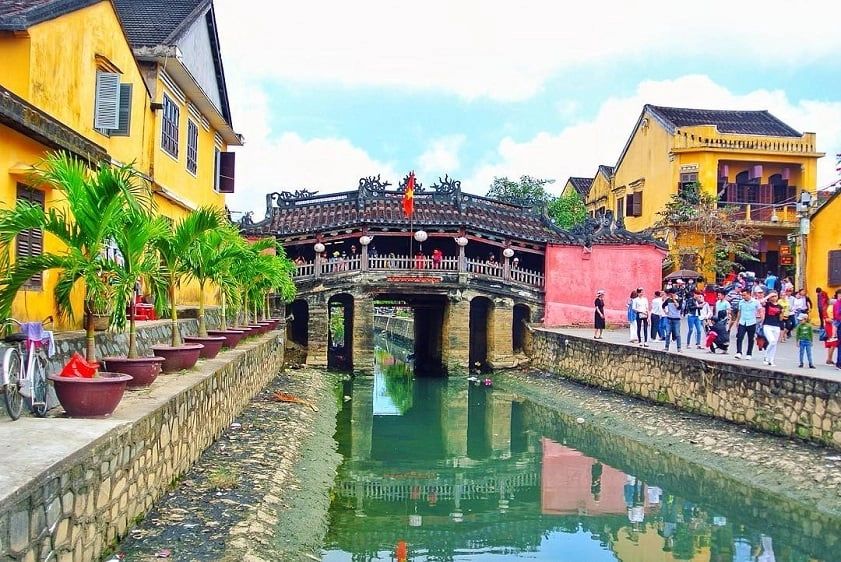
One of Hoi An’s most recognizable landmarks is the Japanese Covered Bridge. Built in the late 16th century by the Japanese community, this wooden bridge once connected Japanese and Chinese merchant quarters.
The structure features a curved roof, ornate carvings, and a small temple inside. Statues of dogs and monkeys stand at the entrances, believed to represent the years construction began and was completed.
The bridge symbolizes cross-cultural harmony and remains a powerful reminder of Hoi An’s trading history. It is particularly stunning in the evening when lanterns reflect on the water below.
For photographers, early morning offers softer light and fewer crowds. At night, the illuminated bridge creates a magical atmosphere perfect for long-exposure shots.
Assembly Halls
Among the most impressive community buildings in Hoi An is the Fujian Assembly Hall. Built by Chinese merchants from Fujian Province, this hall served as a gathering place and temple dedicated to the sea goddess Thien Hau.
The entrance gate features elaborate carvings and ceramic mosaics. Inside, visitors will find large incense coils hanging from the ceiling, glowing softly in filtered light.
The courtyard garden is peaceful and beautifully maintained. Intricate statues and decorative altars showcase traditional Chinese craftsmanship.
This assembly hall demonstrates how immigrant communities shaped Hoi An’s identity while preserving their cultural roots.
An Bang Beach
Just a short ride from the town center lies the tranquil An Bang Beach.
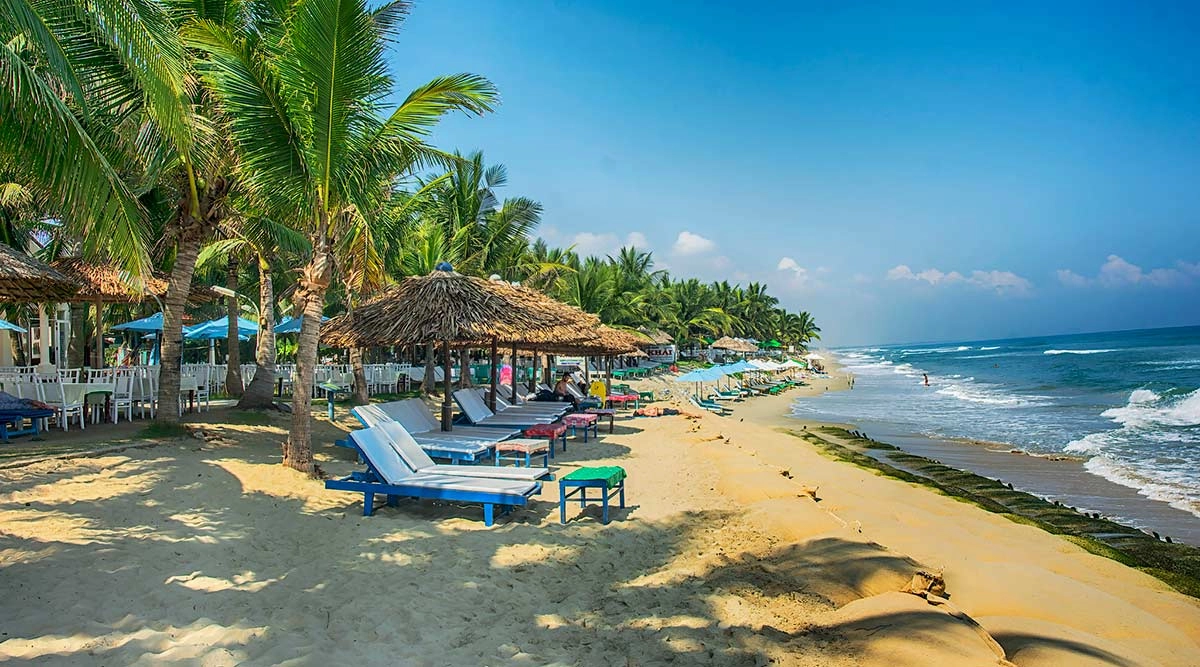
This beach offers soft white sand, clear blue water, and a relaxed atmosphere. Compared to larger Vietnamese beach destinations, An Bang feels intimate and peaceful.
Beachside restaurants serve fresh seafood, tropical cocktails, and Western dishes. Sun loungers and umbrellas are available for rent.
Early mornings are perfect for quiet walks, while afternoons invite swimming and sunbathing. For travelers seeking balance between cultural exploration and relaxation, An Bang Beach is an essential stop.
Cua Dai Beach
Another coastal attraction featured in this Hoi An travel guide is Cua Dai Beach.
Although erosion has impacted certain areas in recent years, sections remain scenic and ideal for relaxation.
Many resorts and luxury hotels are located nearby, offering private beach access and high-end amenities. Sunrise views over the East Sea are particularly impressive.
Cua Dai Beach provides a quieter alternative for those who prefer resort-style comfort.
Hoi An Night Market – Lantern-Lit Shopping Experience
Located near the river on Nguyen Hoang Street, the Hoi An Night Market is a lively evening destination.
Dozens of stalls sell handmade lanterns, souvenirs, silk scarves, jewelry, and street food. The vibrant colors of lanterns hanging overhead create a festive ambiance.
This market is ideal for souvenir shopping and casual dining. Popular snacks include grilled skewers, sweet desserts, and fresh fruit smoothies.
While bargaining is common, vendors are generally friendly and welcoming.
Best Things to Do in Hoi An
Hoi An offers more than sightseeing.
This section of the Hoi An travel guide highlights immersive experiences.
Join a Lantern Workshop
Lantern-making is a traditional craft.
Workshops teach visitors how to create their own lanterns.
Participants choose colors and patterns.
The finished product becomes a meaningful souvenir.
Take a Boat Ride on Thu Bon River
Boat rides provide a different perspective of the town.
Small wooden boats glide along calm waters.
At night, lantern reflections shimmer on the river.
Some visitors release floating candles for good luck.
This peaceful activity captures the romantic essence of Hoi An.
Explore by Bicycle
Cycling through rice fields offers fresh air and scenic views.
The countryside is flat and easy to navigate.
You can visit Tra Que Vegetable Village.
Farmers grow organic herbs and vegetables there.
Many tours include cooking sessions after farm visits.
It combines agriculture and gastronomy.
Try Vietnamese Cooking Classes
Hoi An is a culinary hotspot.
Cooking classes are popular among travelers.
Participants visit local markets first.
Chefs explain ingredients and preparation techniques.
Dishes often include fresh herbs and seafood.
The experience deepens understanding of Vietnamese cuisine.
What to Eat in Hoi An
Food is central to any Hoi An travel guide.
The town offers unique regional specialties.
Cao Lau
Cao Lau is a signature noodle dish.
Thick noodles are topped with pork, herbs and crispy crackers.
The dish uses water from local wells.
This tradition distinguishes it from other noodle soups.
White Rose Dumplings
White Rose dumplings are delicate and steamed.
They are filled with shrimp or pork.
The presentation resembles flower petals.
They are light and flavorful.
Banh Mi Hoi An
Hoi An is famous for its banh mi sandwiches.
Crispy baguettes are filled with meat, herbs and sauce.
Some shops have international reputations.
Lines often form during peak hours.

Suggested 3-Day Itinerary
Planning ahead improves your travel experience.
This Hoi An travel guide suggests a balanced itinerary.
Day 1: Ancient Town Exploration
Walk through heritage streets in the morning.
Visit Japanese Covered Bridge and assembly halls.
Have lunch at a local restaurant.
Enjoy a lantern-lit stroll at night.
Day 2: Beach and Countryside
Spend the morning at An Bang Beach.
Relax or swim in calm waters.
In the afternoon, cycle to Tra Que Village.
Join a cooking class in the evening.
Day 3: Culture and River Life
Visit local markets early.
Take a boat ride along Thu Bon River.
Shop for handmade lanterns and tailored clothing.
End the day with a sunset café experience.
Best Time to Visit Hoi An
The dry season from February to August offers sunny weather.
April to June is ideal for beach activities.
The rainy season brings occasional flooding.
However, fewer tourists mean quieter streets.
Full moon nights are special in Hoi An.
Electric lights are turned off in parts of the town.
Lanterns illuminate the streets.
The atmosphere becomes magical and unforgettable.
Travel Tips for First-Time Visitors
Wear comfortable shoes for walking.
Streets are best explored on foot.
Book accommodation in advance during peak seasons.
Hoi An is popular with international visitors.
Respect heritage sites and avoid touching fragile structures.
Responsible tourism preserves historical value.
Bring light clothing and sunscreen.
Central Vietnam can be hot during summer.
Conclusion
This comprehensive Hoi An travel guide introduces one of Vietnam’s most enchanting destinations.
From ancient architecture to beach relaxation, Hoi An offers diverse experiences.
Its lantern-lit evenings, flavorful cuisine and preserved heritage create lasting memories.
Plan your visit thoughtfully and immerse yourself in the timeless charm of Hoi An.