

Ha Giang travel is increasingly attracting travelers who seek raw landscapes and authentic cultural experiences in northern Vietnam. Unlike more developed destinations, Ha Giang remains largely untouched, offering winding mountain roads, ethnic villages, and breathtaking scenery. But what makes Ha Giang travel truly special? It is the combination of dramatic geography and deeply rooted traditions that creates a journey unlike anywhere else in Vietnam.
1. Why Ha Giang Travel Offers a Unique Northern Vietnam Experience
Ha Giang travel stands out for its untouched nature and strong cultural identity. The region is less commercialized, allowing visitors to connect more closely with both the environment and local communities.
The Ha Giang Loop Adventure
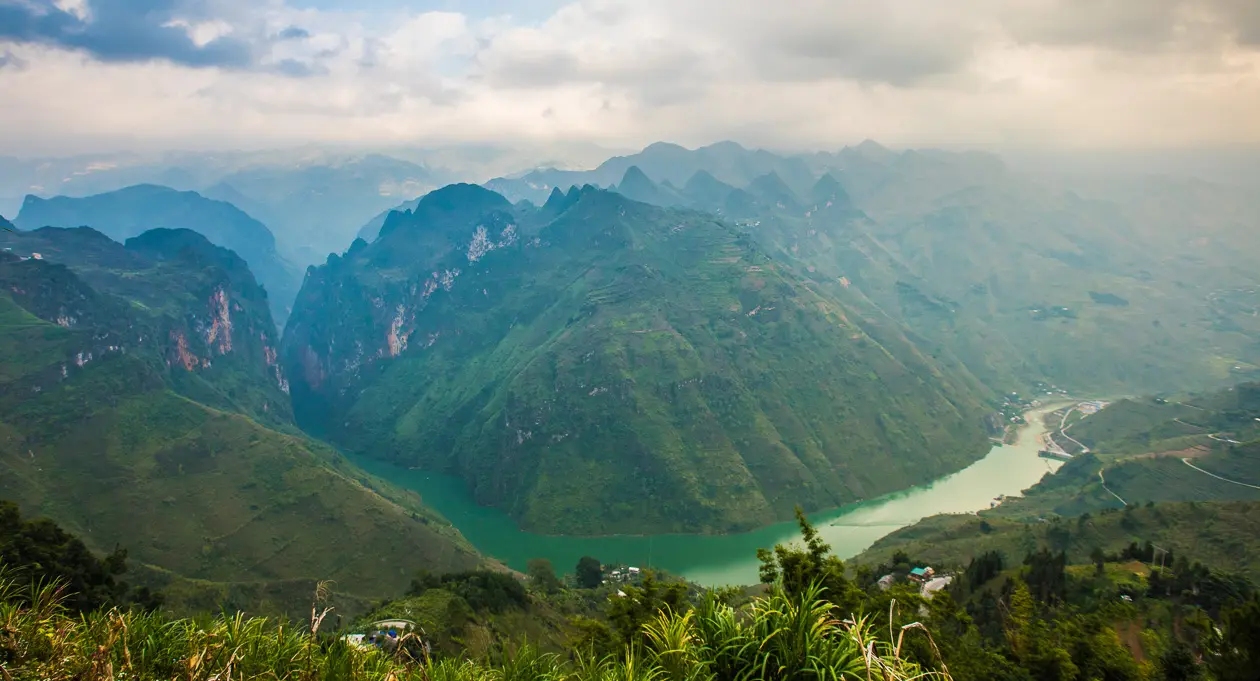
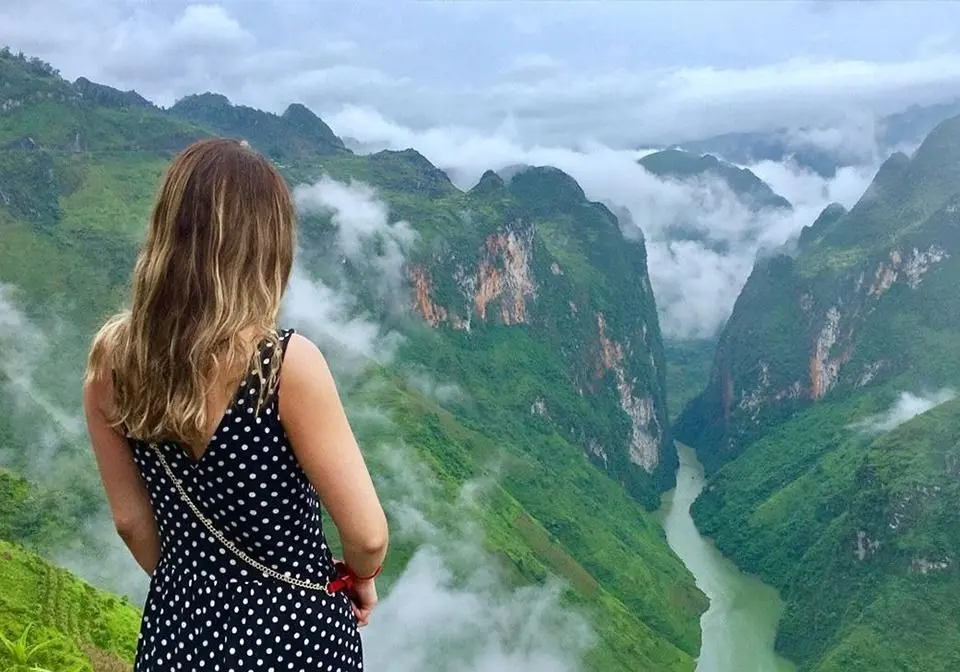
Vietnam is the highlight of Ha Giang Loop. This route stretches across mountains and valleys, offering constant panoramic views. Riders pass through iconic locations such as Ma Pi Leng Pass, where cliffs drop dramatically into the Nho Que River. The journey requires careful navigation, but it rewards travelers with some of the most impressive landscapes in Southeast Asia.
Authentic Ethnic Culture in Ha Giang
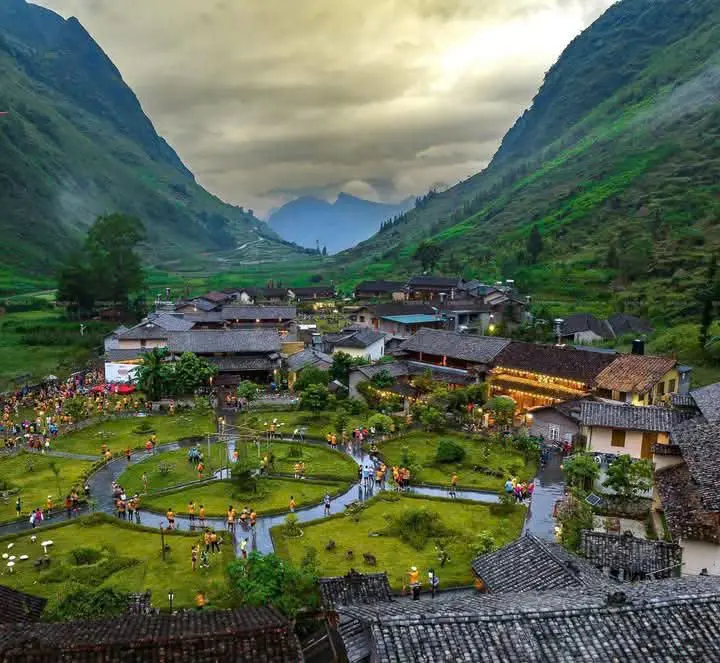
Another defining aspect of Ha Giang Loop is its cultural diversity. The region is home to ethnic groups such as Hmong, Dao, and Tay communities. Weekly markets in Dong Van or Meo Vac are vibrant cultural hubs where locals gather, trade goods, and maintain traditions that have lasted generations.
2. Best Time to Plan Your Ha Giang Travel
Choosing the right time can significantly enhance your Ha Giang travel experience. Each season transforms the landscape in a unique way, making the region appealing year-round.
Flower Seasons and Rice Harvest
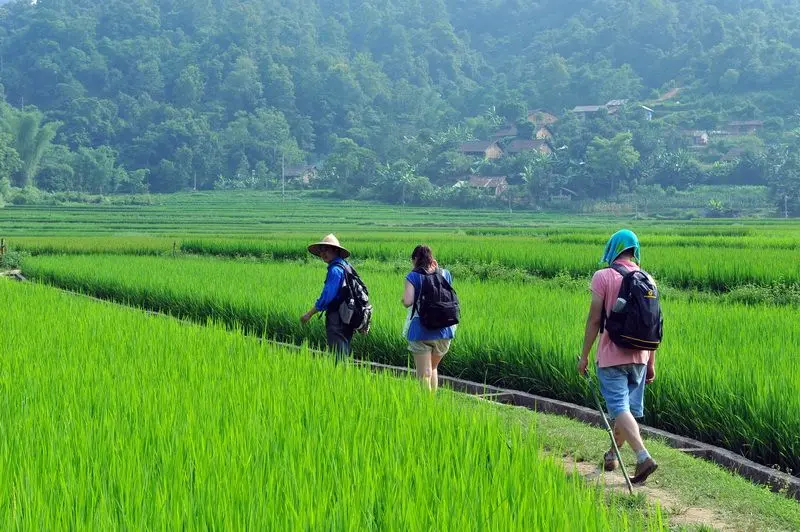
From October to November, Ha Giang travel becomes especially popular due to the blooming buckwheat flowers. These pink and purple fields cover the hillsides and create a romantic atmosphere. In September, golden rice terraces dominate the landscape, attracting photographers and nature lovers.
Weather Conditions and Travel Tips
Weather conditions in Ha Giang can vary quickly. Winters tend to be cold and foggy, while summers may bring rain. Despite this, Ha Giang Vietnam remains appealing because the mist and clouds often add a dramatic effect to the scenery. Travelers should prepare for changing conditions by bringing layered clothing.
3. Top Attractions in Ha Giang Travel Itinerary
A well-planned Ha Giang travel itinerary includes several iconic destinations that highlight the region’s beauty and cultural significance.
Dong Van Karst Plateau Geopark
The Dong Van Karst Plateau is a UNESCO Global Geopark and a central feature of Ha Giang Vietnam. Its limestone formations date back millions of years, creating a rugged and fascinating landscape. Dong Van Old Town offers a quiet contrast, with traditional architecture and a relaxed evening atmosphere.
Lung Cu Flag Tower – Northernmost Point
Lung Cu Flag Tower is often included in Ha Giang guide itineraries because it marks Vietnam’s northernmost point. The climb to the top rewards visitors with wide views of mountains and valleys, offering a strong sense of place and geography.
Meo Vac and Nho Que River Experience
Meo Vac is known for its peaceful setting, but its proximity to the Nho Que River makes it a highlight of Ha Giang travel. A boat ride through Tu San Canyon reveals steep cliffs and clear green water, creating one of the most memorable scenes in the region.
4. Practical Tips for a Smooth Ha Giang Travel Experience
Ha Giang guide requires preparation, especially for those planning to ride the loop. Motorbikes are the most popular way to explore, but guided tours are available for travelers who prefer a safer option. Roads can be challenging, so experience and caution are essential.
Accommodation options range from homestays to small hotels. Staying in a homestay enhances the Ha Giang Vietnam experience by allowing visitors to interact with local families and understand their daily routines. Packing essentials such as warm clothing, rain protection, and basic medical supplies is also recommended.
Conclusion
Ha Giang travel offers a rare combination of untouched landscapes and cultural richness. The journey through mountain passes, ethnic villages, and scenic viewpoints creates a meaningful travel experience. For those looking to explore a more authentic side of Vietnam, Ha Giang remains a compelling destination worth considering. Explore more of Vietnam travel.