

What makes Fansipan Mountain one of the most unforgettable destinations in Vietnam? Rising above the misty valleys of Sapa, this iconic peak offers a rare blend of natural grandeur, cultural depth, and modern travel convenience.
Whether you seek adventure, breathtaking scenery, or a spiritual journey, a trip to Fansipan delivers all in one experience. This guide explores everything you need to plan your perfect Fansipan travel itinerary.
Overview of Fansipan – The Roof of Indochina
Fansipan is the highest mountain in Vietnam and across the Indochina peninsula. It stands at 3,143 meters above sea level. The peak belongs to the Hoàng Liên Son mountain range and is part of Hoàng Liên National Park.
Why Fansipan is Famous
Fansipan is often referred to as “The Roof of Indochina,” a title that reflects not only its remarkable height but also its symbolic importance as a natural landmark. Travelers are drawn to this destination for its panoramic views, dramatic mountain scenery, and the famous “sea of clouds” that creates a surreal experience.
In the past, reaching the summit required a demanding trek that could take several days. Today, thanks to the modern cable car system, visitors can access the peak more easily while still enjoying the grandeur and majesty of the mountain.
Natural Beauty and Biodiversity
Fansipan is home to a wide range of ecosystems, making it one of the most biologically diverse areas in Vietnam. Visitors can encounter rare plant species, ancient forests, and unique wildlife as they explore the mountain.
The landscape changes significantly with altitude. At lower elevations, dense green forests dominate the scenery, while higher up, the terrain becomes more rugged, mysterious, and often covered in mist. The frequent presence of clouds adds a dreamlike atmosphere that makes Fansipan truly special.
Cultural Significance
Beyond its natural beauty, Fansipan also holds deep cultural and spiritual significance. The mountain is home to a number of Buddhist temples, statues, and sacred sites that attract both tourists and pilgrims.
Visitors often combine sightseeing with cultural exploration, allowing them to experience not only the scenery but also the spiritual essence of the destination. This blend of nature and culture makes the journey even more meaningful.
Best Time to Visit Fansipan
Choosing the right time to visit Fansipan plays an important role in shaping your overall experience, as weather conditions vary throughout the year.
Spring, from March to May, is considered one of the best times to visit. The weather is mild, flowers begin to bloom, and the landscape appears fresh and vibrant. This season is also ideal for photography, as visibility is generally good and colors are especially vivid.
Summer, from June to August, brings lush greenery and a cooler climate compared to major cities. However, this period also comes with a higher chance of rain and fog, which may limit visibility at the summit. Despite this, it can still be an enjoyable time for those who appreciate a cooler environment.
Autumn, from September to November, is widely regarded as the most ideal season for traveling to Fansipan. The weather is pleasant, the skies are clearer, and the surrounding rice terraces in Sapa turn golden, adding extra beauty to the journey.
Winter, from December to February, offers a completely different experience. Temperatures can drop significantly, and visitors may even witness frost or rare snowfall. This creates a magical and unusual scene in Vietnam, especially for those visiting for the first time.
How to Get to Fansipan
Fansipan is located near Sapa, a well-known tourist destination in northern Vietnam, making it relatively accessible for travelers.
To reach Sapa, visitors can travel from Hanoi by train, bus, or private car, with the journey typically taking between 5 to 7 hours. Overnight trains are often chosen for comfort, while buses provide a faster and more budget-friendly option.
One of the highlights of the trip is the Fansipan Legend Cable Car, which is among the longest and highest cable car systems in the world. The ride takes approximately 15 to 20 minutes and offers spectacular views of the surrounding mountains and valleys.
For those seeking adventure, trekking to the summit remains an exciting alternative. Depending on the route, the trek can take between one to three days, and hiring a guide is recommended for safety. This option allows travelers to experience the mountain in a more immersive way..
Top Attractions at Fansipan
Fansipan offers more than just a peak. This guide provides many attractions worth exploring to travel.
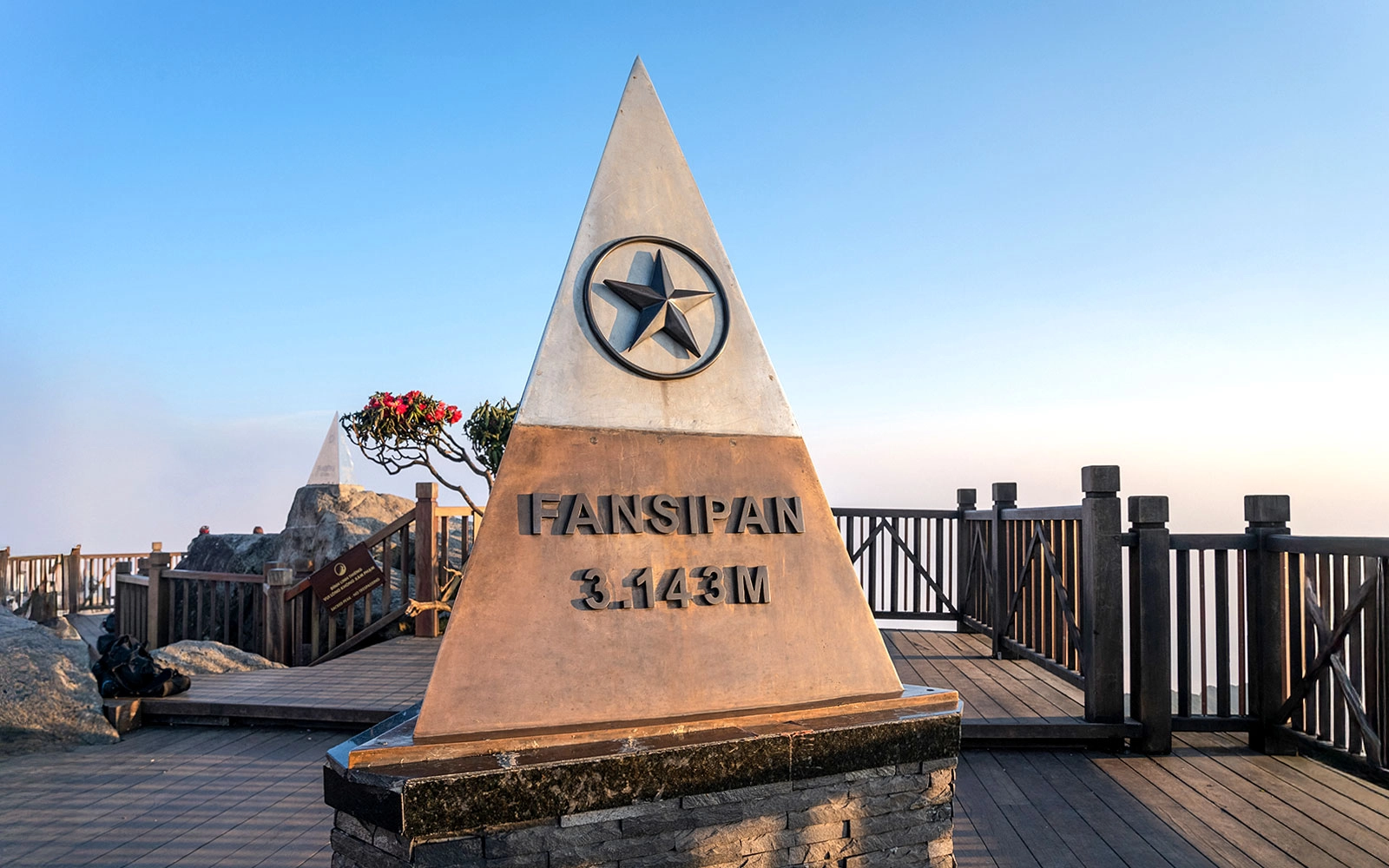
The Summit Marker
Reaching the summit is the highlight of any trip. The iconic metal marker shows the elevation of 3,143 meters.
This is the perfect spot for photos and celebrating your achievement.
Spiritual Complex
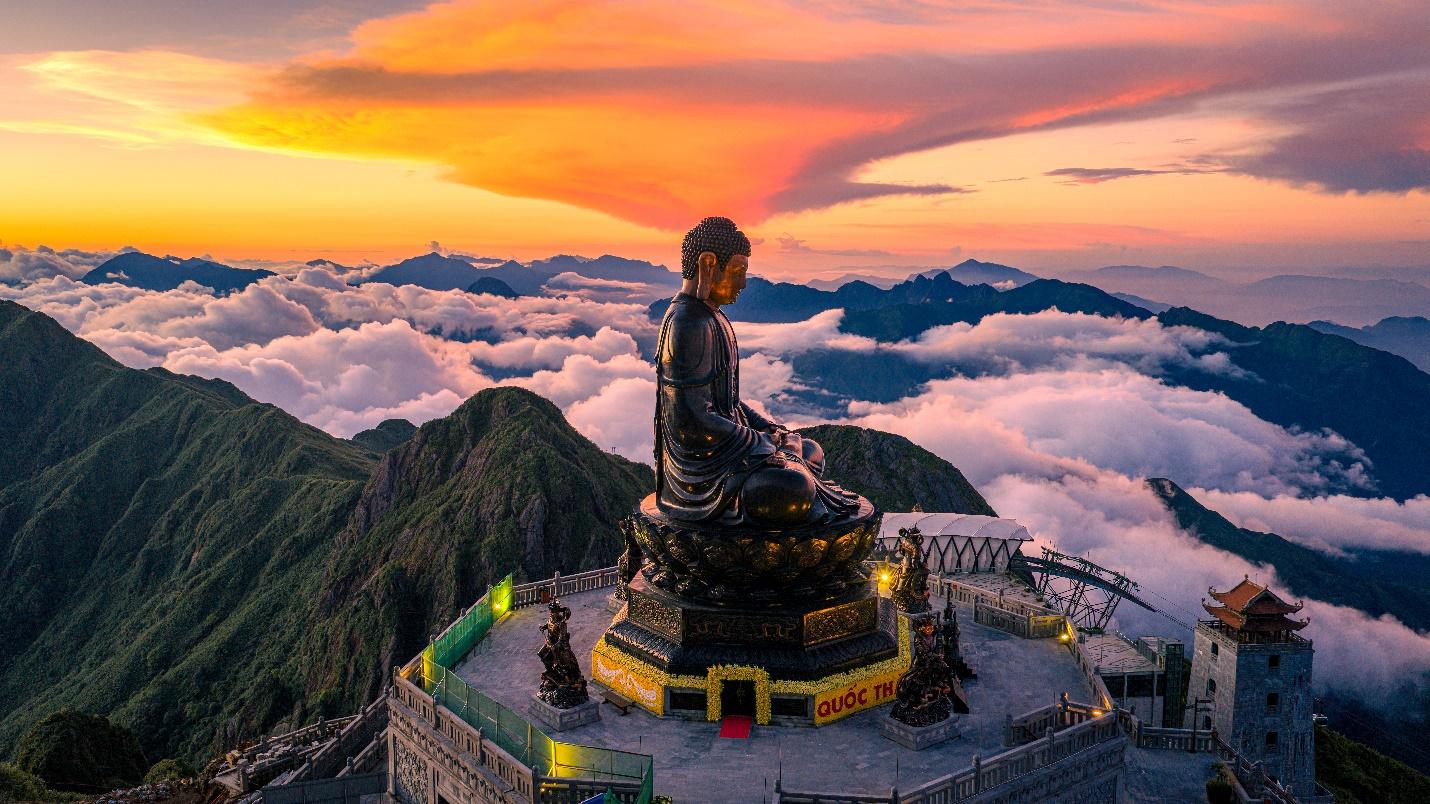
The mountain features a large spiritual complex. It includes temples, statues, and pagodas. One of the most impressive landmarks is the giant Buddha statue. The peaceful atmosphere attracts many visitors.
Cloud Hunting Experience
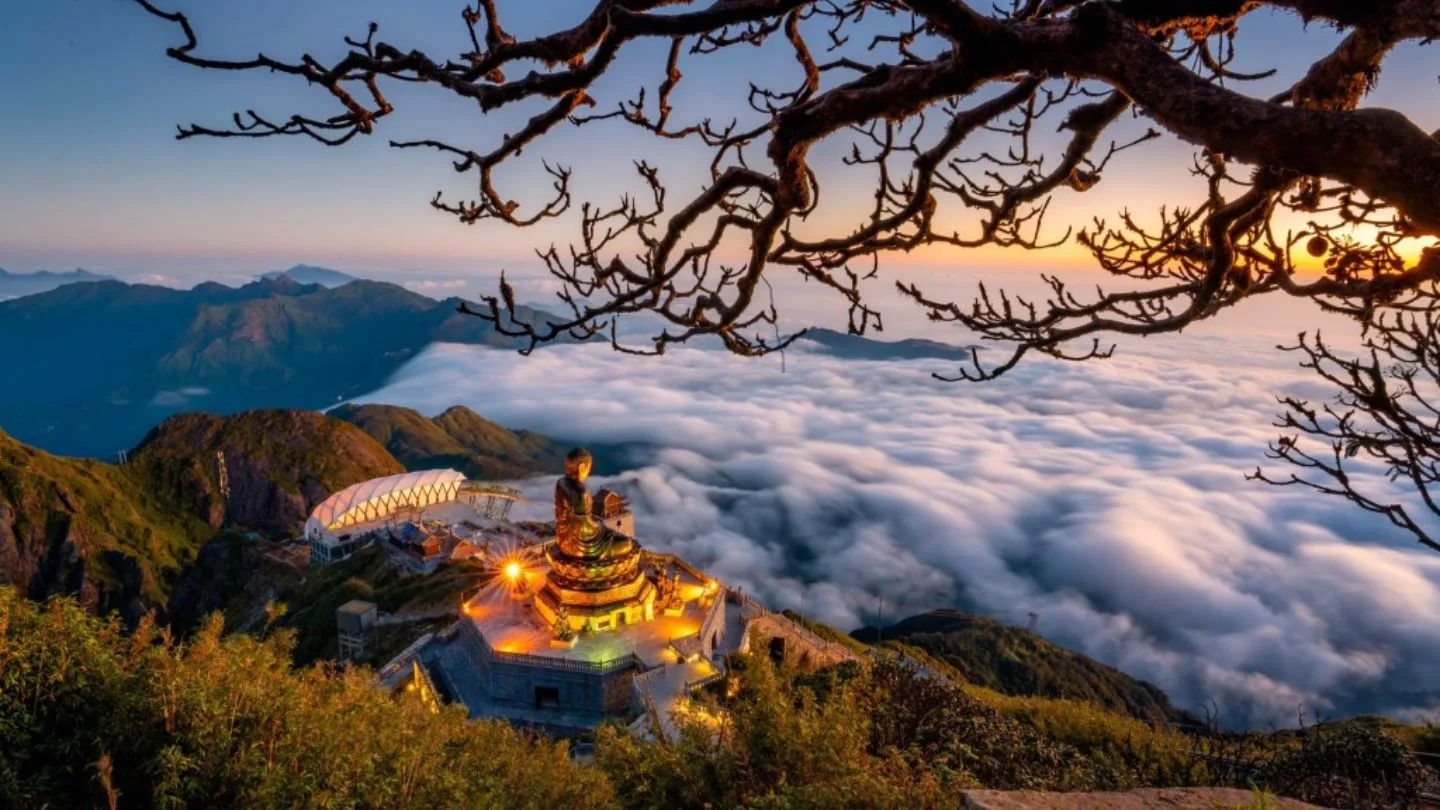
Fansipan is famous for its “sea of clouds.” Early mornings often provide the best views. Standing above the clouds creates a surreal and unforgettable moment.
Things to Do in Fansipan
There are many activities to enjoy during your trip to Fansipan, each offering a different perspective of this incredible destination.
Photography and sightseeing are among the most popular activities, as the mountain provides stunning views from every angle. Sunrise and sunset are particularly beautiful times, when the changing light creates dramatic and memorable scenes.
Cultural exploration is another highlight, especially in nearby villages where local ethnic groups such as the Hmong and Dao live. Their traditional clothing, customs, and way of life add depth and authenticity to your travel experience.
For adventure enthusiasts, trekking and hiking are highly recommended. These activities allow for deeper exploration of the mountain and provide a strong sense of achievement that cannot be matched by simply taking the cable car.
Travel Tips for Fansipan
Proper preparation can make your trip to Fansipan smoother and more enjoyable.
It is important to pack warm clothing, even if you are traveling in summer, as temperatures at the summit are significantly lower than in Sapa. Comfortable footwear is also essential, especially if you plan to hike or trek.
Health and safety should also be considered. The high altitude may affect some visitors, so it is best to move slowly and stay hydrated. Weather conditions can change quickly, so checking the forecast before your trip is highly recommended.
To save time, cable car tickets should be booked in advance whenever possible. Visiting early in the morning can also increase your chances of enjoying clear views and avoiding crowds
Why Fansipan Should Be on Your Travel List
Fansipan offers a rare combination of accessibility and adventure, making it a unique destination in Vietnam. Few places allow travelers to reach such impressive heights so easily while still offering opportunities for exploration and discovery.
The blend of natural beauty, cultural richness, and spiritual significance creates a well-rounded travel experience that appeals to a wide range of visitors.
Conclusion
A journey to Fansipan Mountain is more than just a trip; it is an experience that stays with you long after you leave. From breathtaking landscapes to meaningful cultural encounters, every moment spent on the mountain is memorable.
If you are planning your next adventure, Fansipan is a destination worth adding to your itinerary. Begin your journey and discover the true beauty of northern Vietnam.