

This Cu Chi Tunnels travel guide explains the history, highlights, and visitor experience. It also provides useful travel tips for those planning a trip from Ho Chi Minh City.
The Cu Chi Tunnels are one of Vietnam’s most fascinating historical attractions. Located just outside Ho Chi Minh City, this vast underground network reveals how Vietnamese soldiers lived and fought during wartime.
Today, the site has become an important destination for travelers interested in history, culture, and resilience. Visitors can explore preserved tunnels, learn about wartime strategies, and gain deeper insight into Vietnam’s past.
The Historical Importance of the Cu Chi Tunnels
The Cu Chi Tunnels represent a remarkable chapter in Vietnam’s history. Built and expanded over several decades, the tunnels played a vital role during the Vietnam War.
This underground system helped Vietnamese forces survive and operate under extremely difficult conditions.
Origins of the Cu Chi Tunnel Network
The early sections of the tunnels were first constructed during the late 1940s when Vietnamese fighters resisted French colonial forces.
Local villagers began digging simple underground shelters to hide from military attacks. Over time, these shelters expanded into more complex tunnel systems.
By the time of the Vietnam War in the 1960s, the network had developed into an extensive underground city. The tunnels stretched for hundreds of kilometers across the Cu Chi district.
This remarkable construction reflected the determination and ingenuity of the local population.
Strategic Role During the Vietnam War
During the Vietnam War, the Cu Chi Tunnels served as a base for Vietnamese soldiers. The underground network allowed them to move undetected, store supplies, and launch surprise attacks.
The tunnels included many essential facilities such as living quarters, kitchens, storage rooms, hospitals, and command centers.
Hidden trapdoors and narrow passageways made it difficult for enemy forces to locate or destroy the network.
Despite heavy bombing in the region, the tunnel system continued to function throughout the conflict.
Life Underground During Wartime
Living in the tunnels required extraordinary resilience. The spaces were extremely narrow, dark, and often humid.
Soldiers and local residents spent long periods underground while enduring limited air circulation and scarce resources.
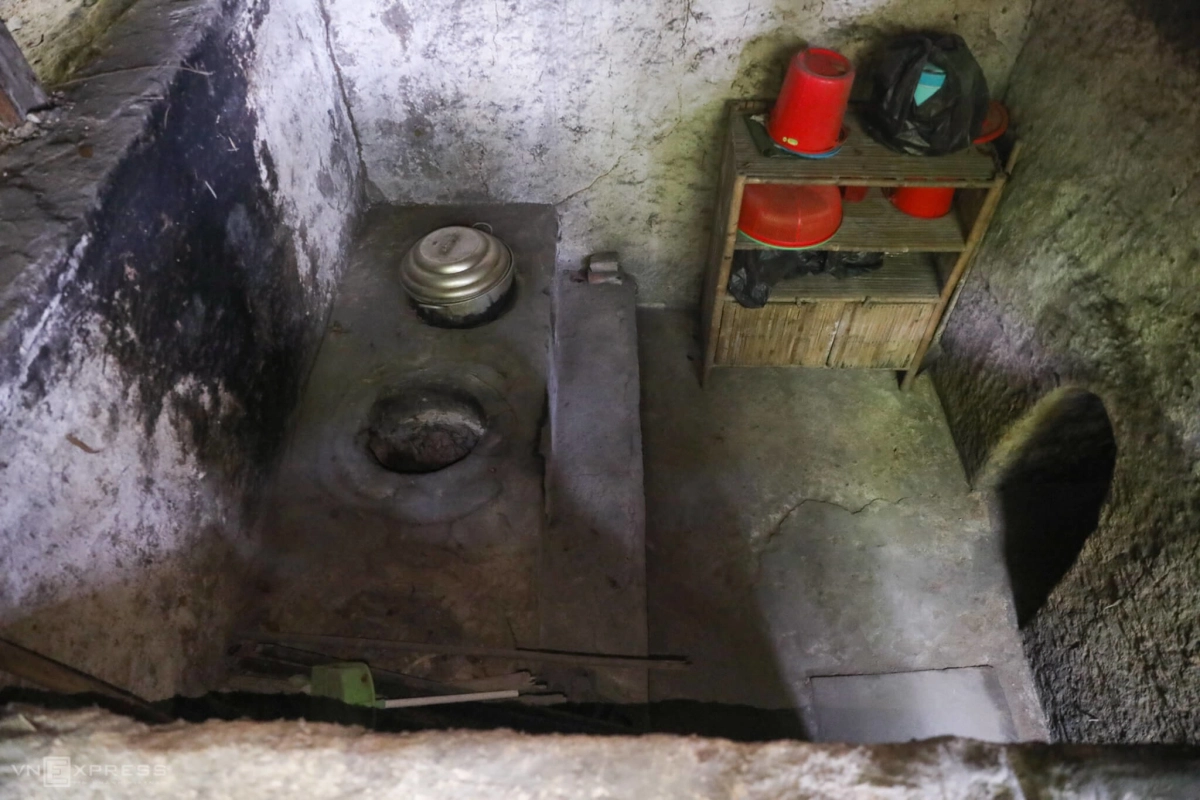
Simple kitchens known as “Hoang Cam stoves” were designed to disperse smoke through hidden vents. This allowed cooking activities without revealing the location of the tunnels.
Daily life in the tunnels involved careful planning, discipline, and strong cooperation among the inhabitants.
The experience remains a powerful reminder of the hardships faced during wartime.
What Visitors Can Experience at the Cu Chi Tunnels Today
Today the Cu Chi Tunnels have been preserved as a historical site and educational attraction. Visitors can explore several sections that demonstrate how the underground network functioned.
The site offers an immersive experience that combines history, storytelling, and interactive exhibits.
Exploring the Tunnel System
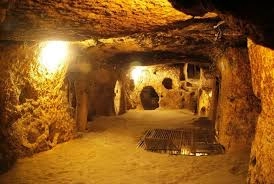
One of the most memorable activities is crawling through sections of the reconstructed tunnels. These passages have been slightly widened for visitors but still reflect the original design.
Walking through the tunnels helps visitors understand the tight conditions that soldiers experienced.
Some sections allow travelers to move between different chambers such as meeting rooms and storage areas.
The experience offers a powerful perspective on how the tunnel network operated.
Viewing Wartime Traps and Defensive Systems
The Cu Chi Tunnels exhibit several types of traps used during the war. These traps were designed to defend the tunnel network and slow enemy soldiers.
Guides often explain how these devices worked and the strategic thinking behind them.
While some displays may appear intense, they provide valuable historical context.
Visitors gain a deeper understanding of the difficult realities of wartime tactics.

Visiting Reconstructed Wartime Facilities
The site includes reconstructed areas that demonstrate daily life underground. These spaces show how kitchens, sleeping areas, and meeting rooms were organized.
Visitors can also see models of the Hoang Cam stove and other practical inventions.
These reconstructions help illustrate the creativity used to survive in challenging conditions.
Learning about these facilities helps bring the history of the tunnels to life.
Documentary Films and Historical Exhibits
Before entering the tunnels, many tours begin with a short documentary film. The film explains the history of the region and the development of the tunnel system.
Exhibits around the site display photographs, maps, and historical artifacts.
These materials provide context for the experiences visitors will encounter inside the tunnels.
For travelers interested in history, these exhibits add significant educational value to the visit.
How to Visit the Cu Chi Tunnels From Ho Chi Minh City
The Cu Chi Tunnels are located about 70 kilometers northwest of Ho Chi Minh City. Because of this convenient distance, many travelers visit the site on a half-day or full-day trip.
Several transportation options are available.
Guided Tours From Ho Chi Minh City
The most common way to visit the Cu Chi Tunnels is through an organized tour.
Tour companies in Ho Chi Minh City offer daily trips that include transportation, entrance tickets, and guided explanations.
Guides provide valuable insights about the history and significance of the tunnels.
These tours often include hotel pickup and comfortable transportation.
For first-time visitors, guided tours are usually the easiest option.
Traveling Independently by Bus or Car
Independent travelers can also reach the Cu Chi Tunnels using public buses or private transportation.
Buses depart regularly from Ho Chi Minh City and connect to the Cu Chi district.
Alternatively, travelers can rent a car or motorbike for more flexibility.
Driving through the countryside provides an opportunity to see rural landscapes and local villages.
However, visitors should plan extra travel time due to traffic conditions.
Choosing Between Ben Dinh and Ben Duoc Sites
The Cu Chi Tunnels are divided into two main visitor areas: Ben Dinh and Ben Duoc.
Ben Dinh is closer to Ho Chi Minh City and receives the majority of tourist groups.
Ben Duoc is located farther away but offers a quieter and more authentic atmosphere.
Many travelers prefer Ben Duoc because it is less crowded and more spacious.
Both locations provide access to tunnels and historical exhibits.
Travel Tips for Visiting the Cu Chi Tunnels
Planning ahead can make your visit more enjoyable and comfortable. The following tips can help travelers prepare for the experience.
Wear Comfortable Clothing
The tunnels are narrow and require crouching or crawling in certain sections.
Visitors should wear comfortable clothing and sturdy shoes suitable for walking.
Lightweight clothing is recommended because the weather in southern Vietnam can be warm and humid.
Those who prefer not to enter the tunnels can still explore many above-ground exhibits.
Prepare for the Tropical Climate
The Cu Chi region experiences a tropical climate with warm temperatures throughout the year.
Carrying water, sunscreen, and a hat can help travelers stay comfortable during the visit.
Most tours include breaks for rest and refreshments.
Hydration is especially important when exploring outdoor areas.
Respect the Historical Significance
The Cu Chi Tunnels represent an important historical site for Vietnam.
Visitors are encouraged to approach the experience with respect and understanding.
Learning about the historical context helps travelers appreciate the resilience and sacrifices of the people involved.
Many guides share personal stories that add emotional depth to the visit.
Allow Enough Time for the Experience
Although some travelers visit the tunnels quickly, spending more time allows for a deeper understanding of the site.
Exploring exhibits, watching the documentary, and walking through the tunnels can take several hours.
A half-day tour is usually sufficient, but a full-day visit allows for a more relaxed pace.
Best Time to Visit the Cu Chi Tunnels
The Cu Chi Tunnels can be visited year-round, but certain seasons offer more comfortable weather conditions.
Understanding the climate helps travelers plan their trip more effectively.
Dry Season: December to April
The dry season is often considered the best time to visit the Cu Chi Tunnels.
During these months, rainfall is minimal and temperatures remain relatively stable.
Clear weather makes it easier to explore outdoor areas and walk between exhibits.
Many travelers prefer visiting early in the morning to avoid midday heat.
Rainy Season: May to November
The rainy season brings occasional tropical showers to southern Vietnam.
However, rain typically occurs in short bursts rather than all day.
The surrounding countryside becomes lush and green during this period.
Visitors should bring light rain protection if traveling during these months.
Morning Visits for a Better Experience
Regardless of the season, mornings are usually the best time to visit the Cu Chi Tunnels.
The weather is cooler and the site tends to be less crowded.
Early tours also provide more time for exploring before returning to Ho Chi Minh City.
Why the Cu Chi Tunnels Remain One of Vietnam’s Most Important Attractions
The Cu Chi Tunnels continue to attract travelers from around the world. The site combines historical significance with an immersive visitor experience.
Few places offer such a powerful insight into the realities of wartime life.
A Unique Example of Human Ingenuity
The tunnel system demonstrates remarkable creativity and resourcefulness.
Constructing hundreds of kilometers of underground passages with simple tools required immense effort.
The tunnels remain a powerful symbol of determination and survival.
An Educational Experience for International Travelers
For many visitors, the Cu Chi Tunnels provide their first in-depth introduction to Vietnam War history.
Guided explanations help clarify the historical events that shaped modern Vietnam.
The site encourages reflection and deeper understanding of the past.
A Memorable Cultural Experience Near Ho Chi Minh City
Because of its proximity to Ho Chi Minh City, the Cu Chi Tunnels are easy to include in travel itineraries.
Many travelers combine the visit with other attractions in southern Vietnam.
The experience offers a meaningful balance between tourism and education.
Conclusion
The Cu Chi Tunnels stand as one of Vietnam’s most remarkable historical landmarks. This vast underground network reveals the ingenuity, resilience, and determination of those who lived and fought during wartime.
Today, visitors can explore preserved tunnels, learn about wartime strategies, and gain valuable historical insight.
For travelers visiting Ho Chi Minh City, a trip to the Cu Chi Tunnels offers a powerful and unforgettable experience.
Whether you are interested in history, culture, or unique travel experiences, the Cu Chi Tunnels remain an essential destination in Vietnam.