
This An Giang travel guide introduces the province’s most fascinating attractions, local food, and travel tips. From sacred temples to floating villages, An Giang offers an authentic experience in the heart of the Mekong Delta.
An Giang is one of the most culturally rich and diverse provinces in southern Vietnam. Located in the Mekong Delta near the Cambodian border, the region is known for its spiritual landmarks, mountain landscapes, floating villages, and unique cultural traditions.
Unlik many other Mekong Delta provinces that are mostly flat, An Giang features dramatic hills and sacred mountains rising above rice fields and river systems. These landscapes create a distinctive environment that attracts travelers interested in nature, culture, and religion.
The province is also home to a mix of ethnic communities, including Vietnamese, Khmer, Cham, and Chinese groups. Each community contributes to the region’s vibrant cultural heritage, visible in local festivals, traditional crafts, and diverse cuisine.Nè
Why An Giang Is One of the Most Unique Destinations in the Mekong Delta
An Giang stands out among Mekong Delta provinces because of its geography, cultural diversity, and spiritual significance. The region offers landscapes and traditions that cannot easily be found elsewhere in southern Vietnam.
Visitors who travel here often discover a different side of the Mekong Delta.
A Rare Mountain Landscape in the Mekong Delta
Most areas of the Mekong Delta are flat and dominated by rivers and rice fields. However, An Giang is famous for the Seven Mountains region, a group of hills that rise dramatically from the surrounding plains.
These mountains create scenic viewpoints overlooking farmland, forests, and waterways.
The natural landscape provides opportunities for hiking, photography, and spiritual exploration.
Because of this unique terrain, An Giang is often considered one of the most visually interesting provinces in the Mekong Delta.
A Center of Religious and Spiritual Pilgrimage
An Giang is known as an important spiritual destination in southern Vietnam. Many temples, pagodas, and religious sites are located throughout the province.
Pilgrims travel from across the country to visit sacred mountains and temples, especially during festivals.
The region’s spiritual culture reflects the combination of Buddhist, Taoist, and local beliefs.
Visitors often experience a peaceful and contemplative atmosphere at these religious sites.
Cultural Diversity and Ethnic Communities
An Giang is home to several ethnic communities, including the Cham people who practice Islam.
Traditional Cham villages can be found along the Hau River, where colorful mosques and wooden houses create distinctive cultural landscapes.
Khmer communities also maintain their cultural traditions through festivals, temples, and crafts.
This diversity makes An Giang an excellent destination for travelers interested in learning about Vietnam’s multicultural heritage.
Top Attractions to Visit in An Giang
An Giang offers a wide variety of attractions, from sacred mountains to floating villages and cultural landmarks. These destinations highlight the province’s natural beauty and spiritual traditions.
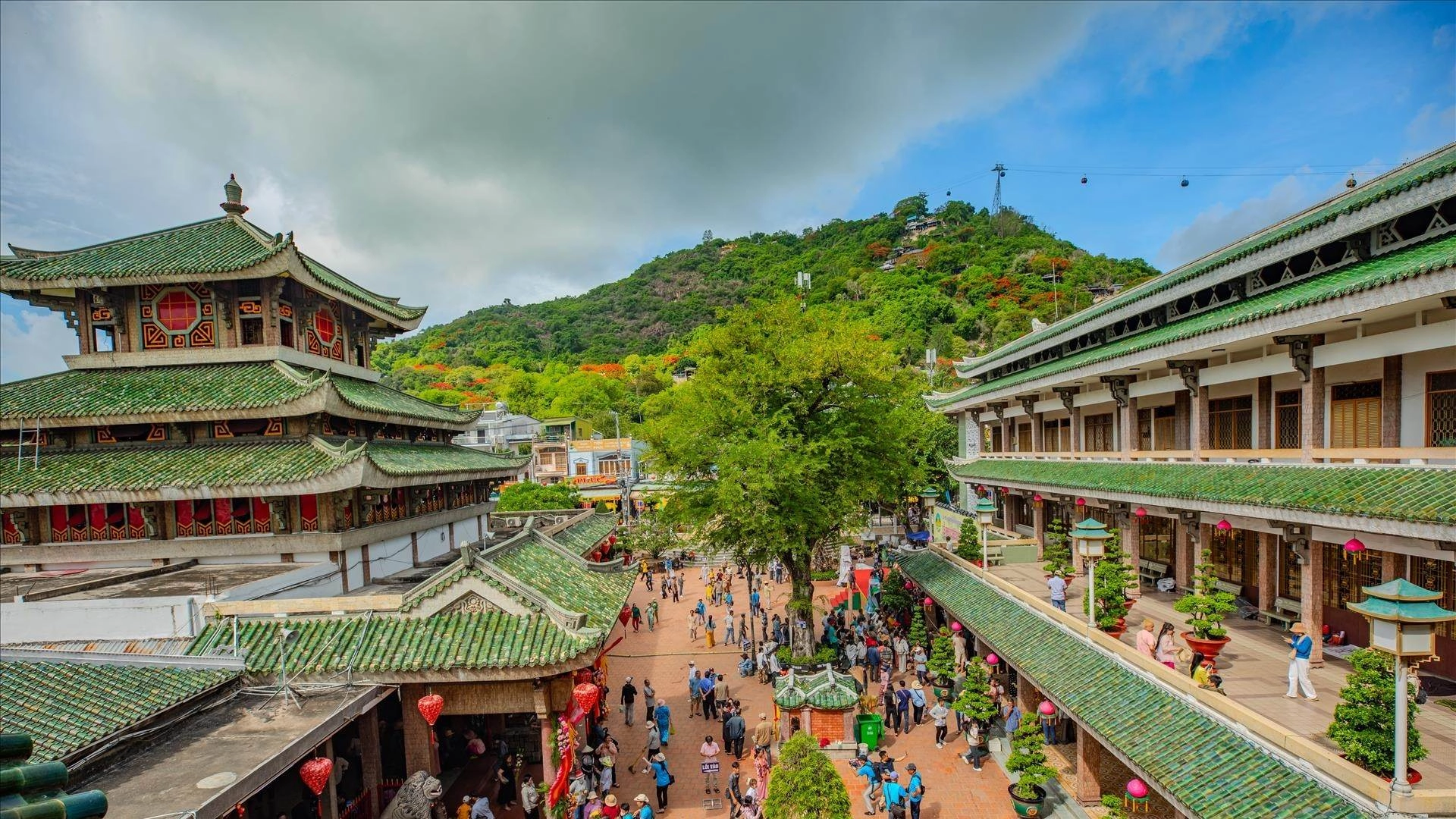
Sam Mountain and Ba Chua Xu Temple
Sam Mountain is one of the most famous spiritual destinations in southern Vietnam. Located near Chau Doc City, the mountain attracts millions of visitors each year.
Many Vietnamese pilgrims visit the temple to pray for good fortune, prosperity, and protection.
During the annual Ba Chua Xu Festival, thousands of worshippers gather to participate in religious ceremonies and celebrations.
Visitors can also climb or drive to the top of Sam Mountain for panoramic views of rice fields and surrounding villages.
The peaceful scenery and spiritual atmosphere make this site one of the highlights of An Giang tourism.
Tra Su Cajuput Forest: A Mekong Delta Eco-Tourism Paradise
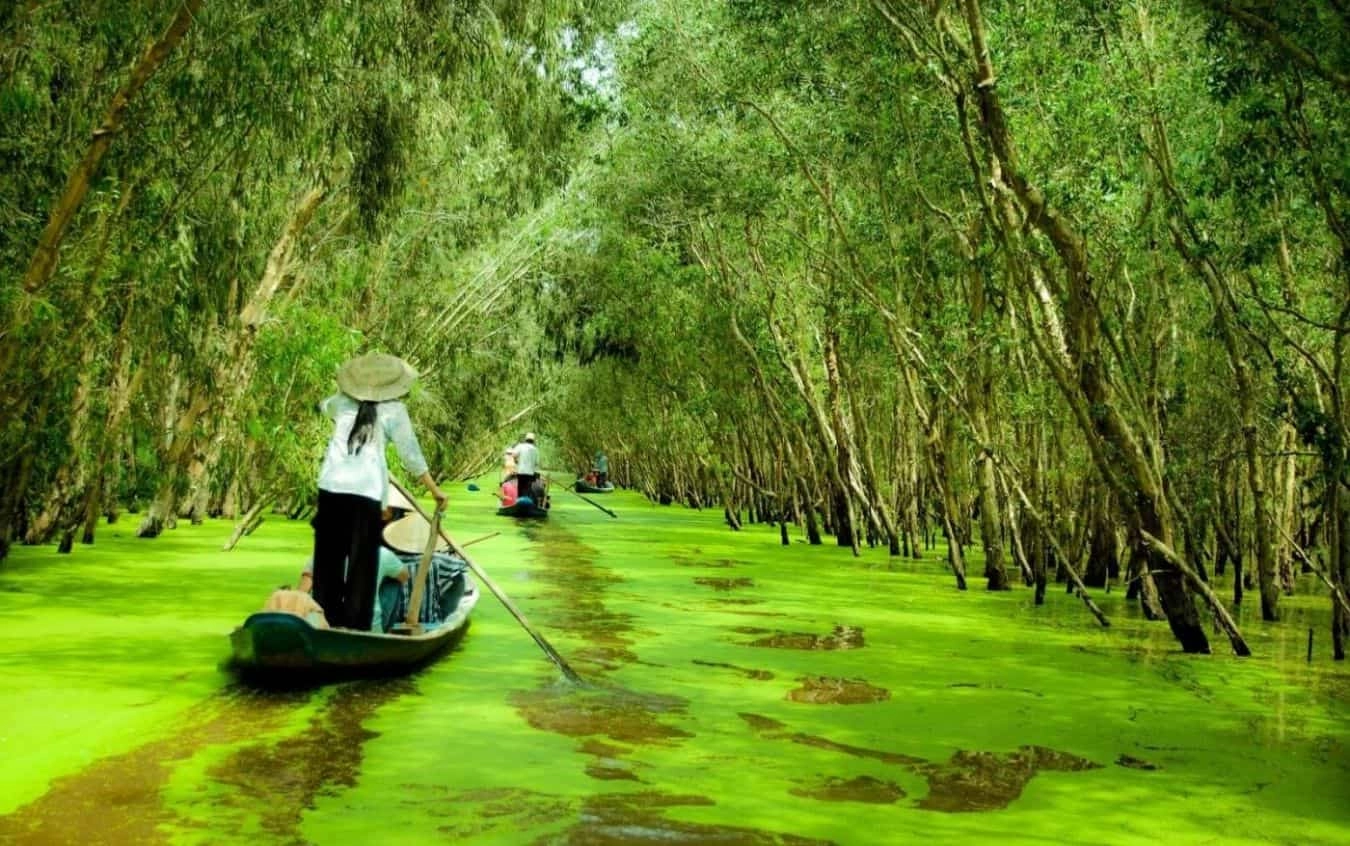
Tra Su Cajuput Forest is one of the most beautiful natural attractions in An Giang.
This flooded forest ecosystem is home to hundreds of bird species, aquatic plants, and wildlife.
Visitors explore the forest by small boat, gliding through narrow waterways covered with green duckweed.
Tall cajuput trees create a quiet and mysterious landscape.
Observation towers allow travelers to enjoy panoramic views of the surrounding wetlands.
The forest is particularly beautiful during the rainy season when water levels are higher and wildlife is more active.
Tra Su offers a peaceful escape into nature and is one of the best eco-tourism destinations in the Mekong Delta.
Chau Doc Floating Villages
Chau Doc is one of the most important cities in An Giang and serves as a gateway to the Cambodian border.
One of its most fascinating attractions is the floating village along the Hau River.
Here, houses are built on floating platforms and fish farming takes place directly beneath the homes.
Visitors can take boat tours through the village to observe daily life on the river.
Many families raise catfish and other freshwater species in large underwater cages.
The floating village reflects the strong connection between local communities and the river environment.
For many travelers, visiting the floating village provides a unique insight into Mekong Delta culture.
Cham Village and Mubarak Mosque
The Cham ethnic minority in An Giang has maintained its Islamic traditions for generations.
Cham villages near Chau Doc are known for their distinctive architecture and vibrant cultural life.
Visitors can explore wooden houses built on stilts and observe traditional weaving a
ctivities.
One of the most impressive landmarks is the Mubarak Mosque, a beautiful Islamic structure with elegant white and green design.
The mosque serves as an important religious center for the Cham community.
Travelers interested in cultural diversity often find this area especially fascinating.
Cam Mountain: The Highest Peak in the Mekong Delta
Cam Mountain, also known as Forbidden Mountain, is the highest mountain in the Mekong Delta.
Located in the Seven Mountains region, the peak rises more than 700 meters above sea level.
Visitors can reach the summit by cable car or hiking trails.
At the top, travelers will find temples, gardens, and scenic viewpoints overlooking the countryside.
One of the most striking landmarks here is the large statue of the Maitreya Buddha.
The cool mountain climate and peaceful environment make Cam Mountain a popular destination for both pilgrims and tourists.
Local Food and Culinary Specialties in An Giang
An Giang cuisine reflects the agricultural and cultural diversity of the Mekong Delta. Fresh river fish, tropical vegetables, and regional spices play an important role in local dishes.
Travelers often discover unique flavors that are not commonly found elsewhere in Vietnam.
Chau Doc Fish Hotpot
One of the most famous dishes in An Giang is Chau Doc fish hotpot.
The dish features fresh river fish cooked in a flavorful broth with vegetables and herbs.
Ingredients may include tamarind, lemongrass, and chili, creating a balanced sweet and sour taste.
The hotpot is usually served with rice noodles or fresh vegetables.
Sharing a hotpot meal is a popular way for families and travelers to enjoy local cuisine.
Fermented Fish Noodles (Bun Mam)
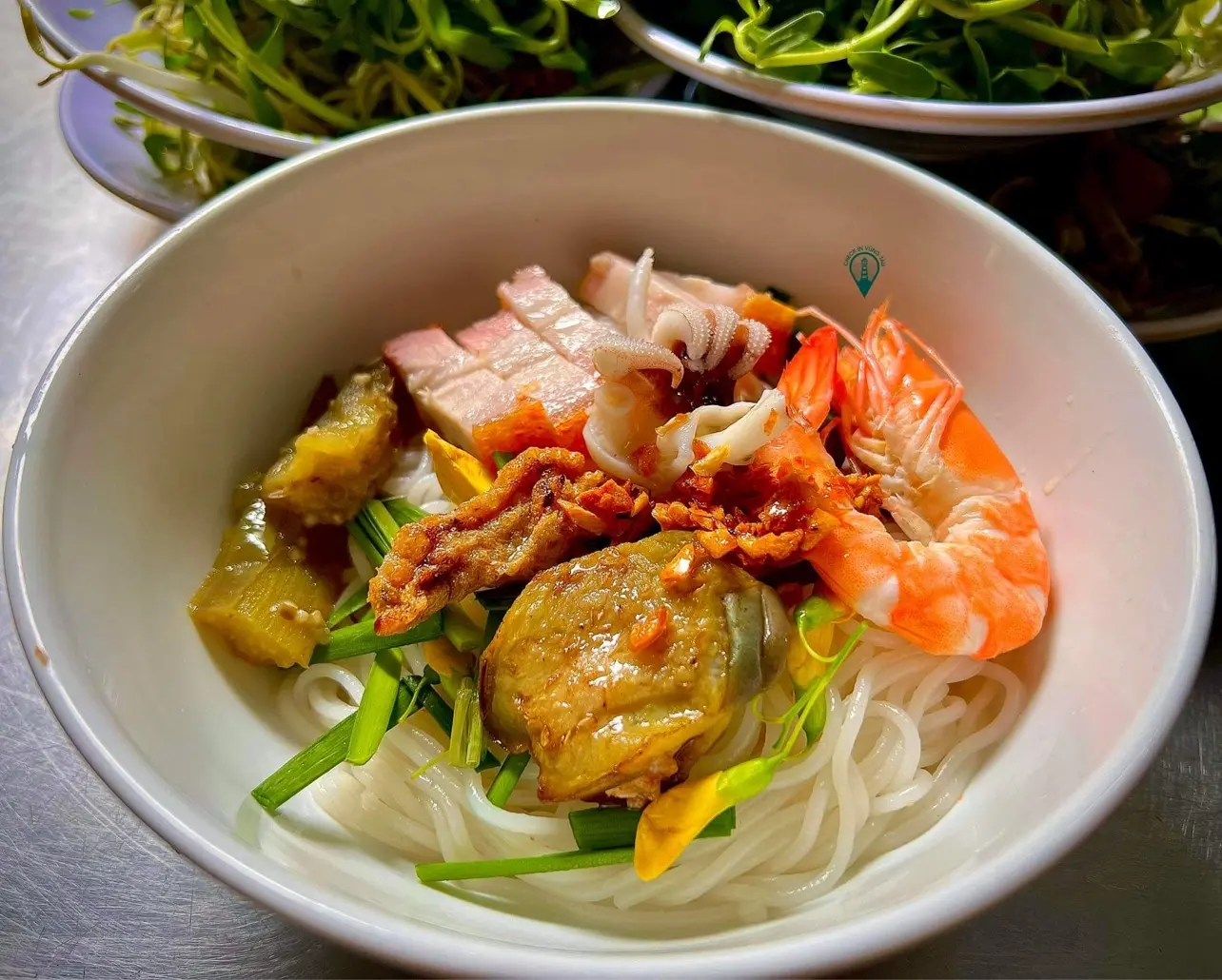
Bun mam is a distinctive noodle dish made with fermented fish broth.
The soup contains seafood, pork, eggplant, herbs, and rice noodles.
Although the fermented aroma can be strong, the flavor is rich and complex.
This dish represents the bold culinary traditions of the Mekong Delta.
Many restaurants in Chau Doc specialize in authentic versions of bun mam.
Cham Traditional Cuisine
Cham communities in An Giang also contribute unique dishes to the region’s food culture.
Their cuisine often uses halal ingredients and aromatic spices.
Grilled beef dishes, curry-style soups, and rice specialties are common.
Visitors who explore Cham villages may have the opportunity to try these traditional meals.
These dishes highlight the cultural diversity of An Giang’s culinary scene.
Best Time to Visit An Giang
An Giang experiences a tropical climate with two main seasons.
Understanding the seasonal patterns can help travelers plan their visit more effectively.
Flood Season: September to November
The annual flood season is one of the most interesting times to visit the Mekong Delta.
Rising water levels transform the landscape into a vast network of waterways.
Boat travel becomes easier, and fish and wildlife are more abundant.
Floating markets and fishing activities are especially lively during this period.
Dry Season: December to April
The dry season provides comfortable weather for sightseeing and mountain exploration.
Clear skies make it easier to enjoy panoramic views from Sam Mountain and Cam Mountain.
Travelers can explore temples, forests, and villages without heavy rainfall.
This season is also popular for cultural festivals and pilgrimages.
Bird Watching Season at Tra Su Forest
Bird watching enthusiasts often visit Tra Su Cajuput Forest during the wet season.
Many bird species migrate to the wetlands, creating excellent opportunities for wildlife observation.
Early morning visits offer the best chances to see birds and other animals.
How to Get to An Giang
An Giang is located in the southwestern part of Vietnam and is accessible from several major cities.
Travelers typically reach the province through the Mekong Delta transportation network.
Traveling From Ho Chi Minh City
The most common route to An Giang is from Ho Chi Minh City.
Buses and private cars travel to Chau Doc or Long Xuyen City in about five to six hours.
The journey passes through scenic farmland and river landscapes.
Many travelers enjoy observing rural life along the way.
Exploring the Region by Boat
Boat travel is an important part of transportation in the Mekong Delta.
Some tours combine road travel with river boat excursions to floating villages or forests.
These journeys allow visitors to experience traditional river culture.
Crossing the Border to Cambodia
Because An Giang lies near the Cambodian border, some travelers combine visits to Chau Doc with cross-border travel.
Boat routes along the Mekong River connect Vietnam with Phnom Penh.
This route provides a unique travel experience between the two countries.
Conclusion
An Giang offers a unique travel experience that blends natural beauty, spiritual traditions, and cultural diversity. From sacred mountains and ancient temples to floating villages and flooded forests, the province showcases a fascinating side of the Mekong Delta.
Visitors can explore tranquil landscapes, discover local communities, and taste distinctive regional cuisine.
For travelers seeking authentic cultural experiences beyond Vietnam’s major cities, An Giang remains one of the most rewarding destinations in southern Vietnam.