

Introduction to This Hanoi Travel Guide
This comprehensive Hanoi travel guide is designed to help international travelers explore the cultural, political, and historical heart of Vietnam. As the capital city for more than a thousand years, Hanoi offers a fascinating blend of ancient traditions, colonial architecture, vibrant street life, and modern development.
Unlike fast-paced southern cities, Hanoi moves with a rhythm shaped by lakes, narrow Old Quarter streets, and the steady hum of motorbikes. It is a destination where you can sip egg coffee beside a quiet lake in the morning and explore centuries-old temples in the afternoon.
Whether you are interested in history, food, architecture, or daily Vietnamese life, this Hanoi travel guide will provide everything you need to plan an unforgettable journey.
Overview of Hanoi: Geography, History and Identity
Hanoi is located in northern Vietnam along the Red River Delta. With over eight million residents, it is the country’s political and administrative center. The city’s identity has been shaped by more than 1,000 years of history, beginning when it became the capital under Emperor Ly Thai To in 1010.
Throughout its long history, Hanoi has experienced:
-
Imperial dynasties
-
Chinese influence
-
French colonial rule
-
Wartime periods
-
Modern economic transformation
Today, the city retains layers of each historical period. Ancient temples stand beside French villas, while modern skyscrapers rise in newly developed districts.
Hanoi’s personality is intellectual, traditional, and deeply cultural. It is home to Vietnam’s major universities, government institutions, museums, and theaters.
Why Visit Hanoi?
A complete Hanoi travel guide must answer a simple question: Why choose Hanoi?
-
Rich cultural heritage with centuries-old temples and pagodas
-
Unique street food scene considered among the best in Asia
-
Beautiful lakes and tree-lined boulevards
-
Historic Old Quarter atmosphere
-
Gateway to northern Vietnam attractions
Hanoi offers both chaos and charm — busy streets full of motorbikes balanced by peaceful lakes and quiet courtyards.
Top Attractions in This Hanoi Travel Guide
1. Hoan Kiem Lake – The Spiritual Heart of Hanoi
The center of any Hanoi travel guide begins with Hoan Kiem Lake.
Located in the heart of the city, this scenic lake serves as a gathering place for locals who exercise, practice tai chi, or simply relax. Early mornings here reveal a calmer side of Hanoi.
In the middle of the lake stands the iconic Turtle Tower, symbolizing a local legend about a magical sword returned to a golden turtle.
Walking around Hoan Kiem Lake is one of the best ways to begin your Hanoi exploration.

2. The Old Quarter – 36 Streets of History
No Hanoi travel guide would be complete without the historic Hanoi Old Quarter.
This bustling neighborhood dates back to the 13th century. Traditionally, each street specialized in a specific trade — silk, silver, herbs, or paper.
Today, the Old Quarter is filled with:
-
Street food vendors
-
Boutique hotels
-
Souvenir shops
-
Cafés and rooftop bars
The narrow streets, colonial facades, and constant motorbike traffic create a uniquely energetic atmosphere.
At night, the weekend night market transforms the area into a pedestrian shopping zone.
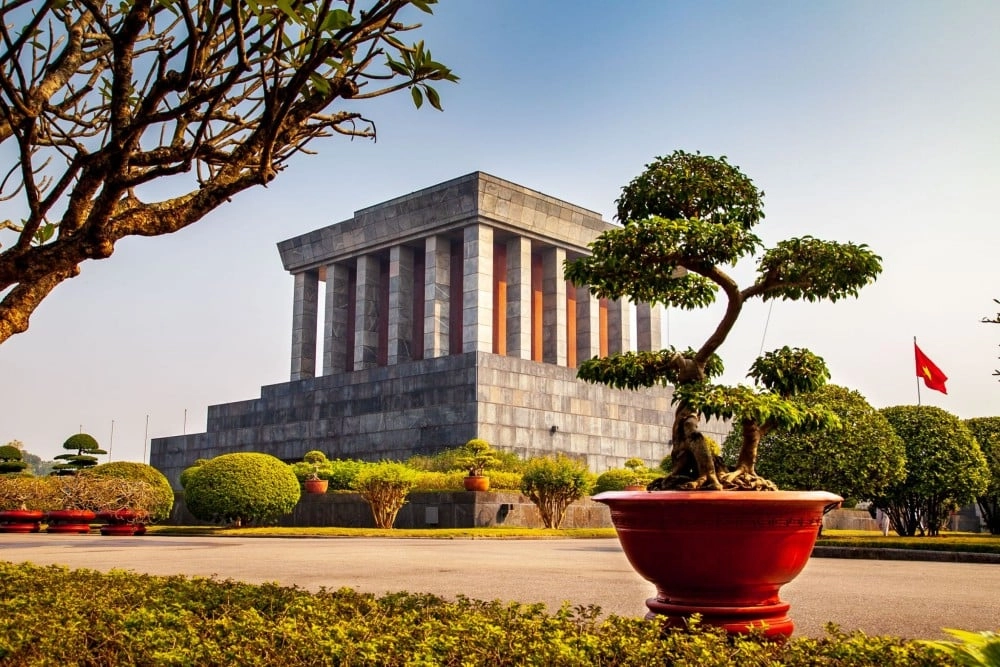
3. Ho Chi Minh Mausoleum – National Landmark
A key political site in this Hanoi travel guide is the Ho Chi Minh Mausoleum.
This monumental structure houses the preserved body of Ho Chi Minh, Vietnam’s revolutionary leader. Visitors can pay respects inside under strict regulations.
The surrounding Ba Dinh Square is historically significant as the location where Vietnam declared independence in 1945.
Nearby, visitors can explore the Presidential Palace and Ho Chi Minh’s stilt house residence.
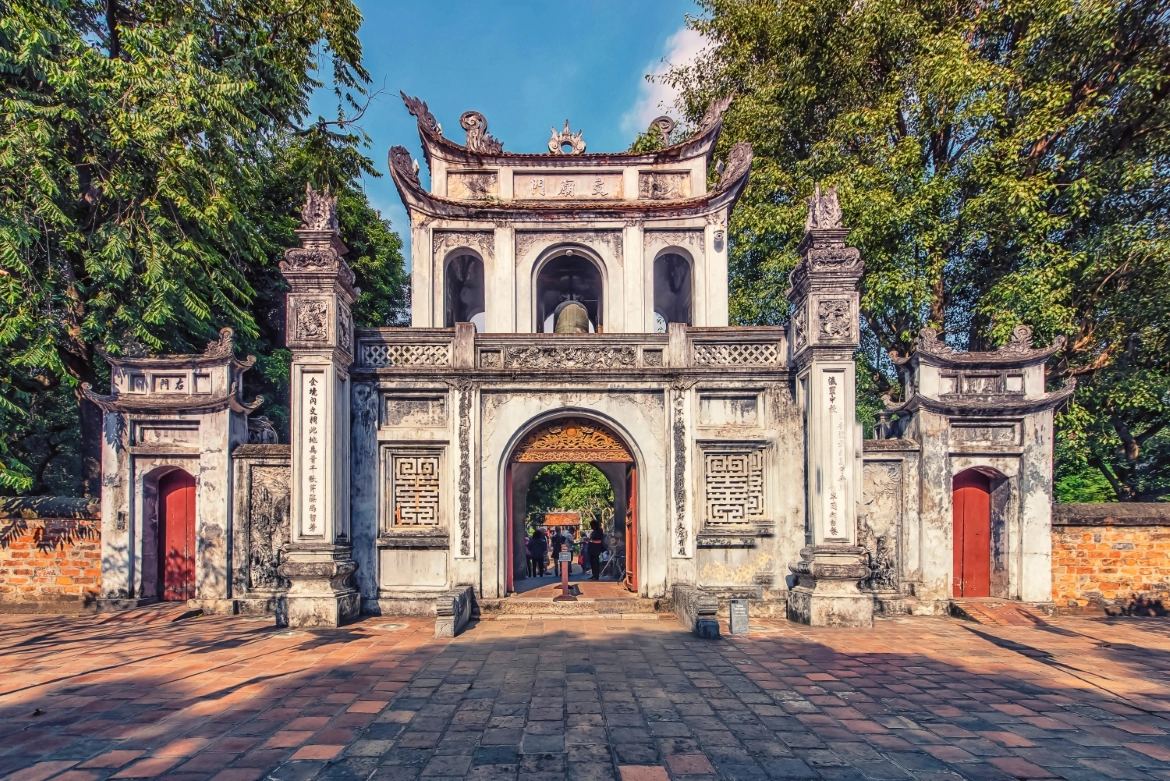
4. Temple of Literature – Vietnam’s First University
The elegant Temple of Literature is one of Hanoi’s most beautiful historical sites.
Founded in 1070, it served as Vietnam’s first national university. The temple complex honors Confucius and scholars of past dynasties.
Visitors can admire:
-
Traditional courtyards
-
Stone stelae mounted on turtle statues
-
Ancient wooden architecture
The peaceful gardens provide a quiet escape from the city’s busy streets.
5. Train Street – A Unique Urban Experience
One of the most photographed spots in recent years is Hanoi Train Street.
Here, a railway track runs directly through a narrow residential street lined with cafés. When the train passes, locals quickly move tables aside before daily life resumes.
Although access regulations may change, Train Street remains a symbol of Hanoi’s fascinating contrasts.
6. West Lake – Scenic Escape from the City Center
The largest lake in Hanoi is West Lake.
West Lake offers a more relaxed atmosphere compared to Hoan Kiem Lake. It is popular for:
-
Cycling
-
Lakeside dining
-
Sunset photography
-
Visiting lakeside temples
One of the most famous temples here is Tran Quoc Pagoda, one of the oldest Buddhist temples in Vietnam.
7. Hoa Lo Prison – Historical Museum
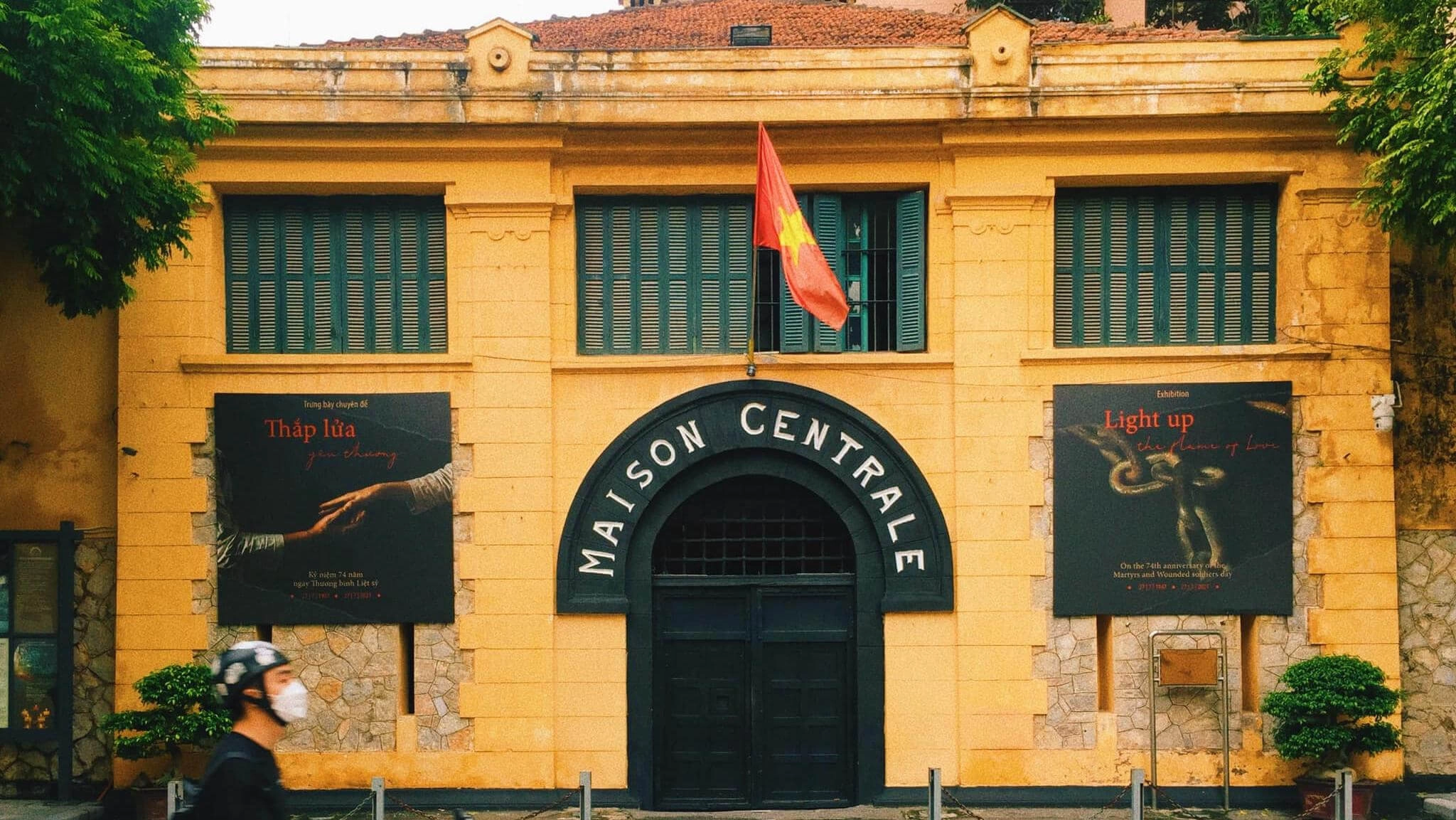
History enthusiasts should include Hoa Lo Prison in their Hanoi travel guide itinerary.
Originally built by the French colonial government, the prison later held American prisoners of war. Today, it serves as a museum showcasing Vietnam’s revolutionary history.
The exhibits provide important context about colonial rule and wartime experiences.
Hanoi’s Street Food Scene
One of the strongest reasons to visit Hanoi is its culinary heritage.
Signature dishes include:
-
Pho (Vietnamese noodle soup)
-
Bun Cha (grilled pork with noodles)
-
Banh Mi (Vietnamese baguette sandwich)
-
Egg Coffee (a creamy coffee specialty)
Many food experiences take place on small plastic stools along sidewalks, offering authentic interaction with local culture.
Hanoi is often considered the birthplace of pho, making it a must-try dish during your visit.
Best Time to Visit Hanoi
Timing plays an important role in planning your Hanoi travel guide itinerary.
-
Autumn (September–November): Cool weather and clear skies
-
Spring (March–April): Mild temperatures and blooming trees
-
Summer (May–August): Hot and humid with occasional rain
-
Winter (December–February): Cool and sometimes misty
Autumn is widely regarded as the most beautiful season in Hanoi.
Day Trips from Hanoi
Hanoi is also the gateway to northern Vietnam’s natural wonders.
Popular excursions include:
-
Ha Long Bay – Limestone karsts and cruise tours
-
Ninh Binh – Scenic rivers and ancient temples
-
Sapa – Mountain trekking and rice terraces
These destinations can be visited on day trips or short overnight tours.
Accommodation in Hanoi
Hanoi offers a wide range of accommodation:
-
Luxury hotels in the French Quarter
-
Boutique hotels in the Old Quarter
-
Budget hostels for backpackers
-
Serviced apartments for long-term stays
Staying near Hoan Kiem Lake provides convenient access to major attractions.
Travel Tips for Visiting Hanoi
-
Cross streets confidently but carefully
-
Carry small cash for street vendors
-
Dress modestly when visiting temples
-
Try street food but choose busy, popular stalls
Hanoi is generally safe, but like any major city, awareness is important.
Conclusion: Why This Hanoi Travel Guide Matters
This detailed Hanoi travel guide demonstrates why Vietnam’s capital is one of Southeast Asia’s most culturally rewarding destinations.
From walking around Hoan Kiem Lake to exploring the Old Quarter, from visiting historic landmarks to tasting authentic street food, Hanoi offers a layered experience shaped by over a millennium of history.
It is a city of contrasts — peaceful lakes and chaotic traffic, ancient temples and modern cafés — yet these contrasts are precisely what make Hanoi unforgettable.
If you are planning a trip to Vietnam, let this Hanoi travel guide be your essential starting point for discovering the nation’s rich heritage and vibrant daily life.