
Searching for a refreshing destination away from Vietnam’s tropical heat?
This comprehensive Da Lat travel guide reveals everything you need to plan a memorable highland journey.
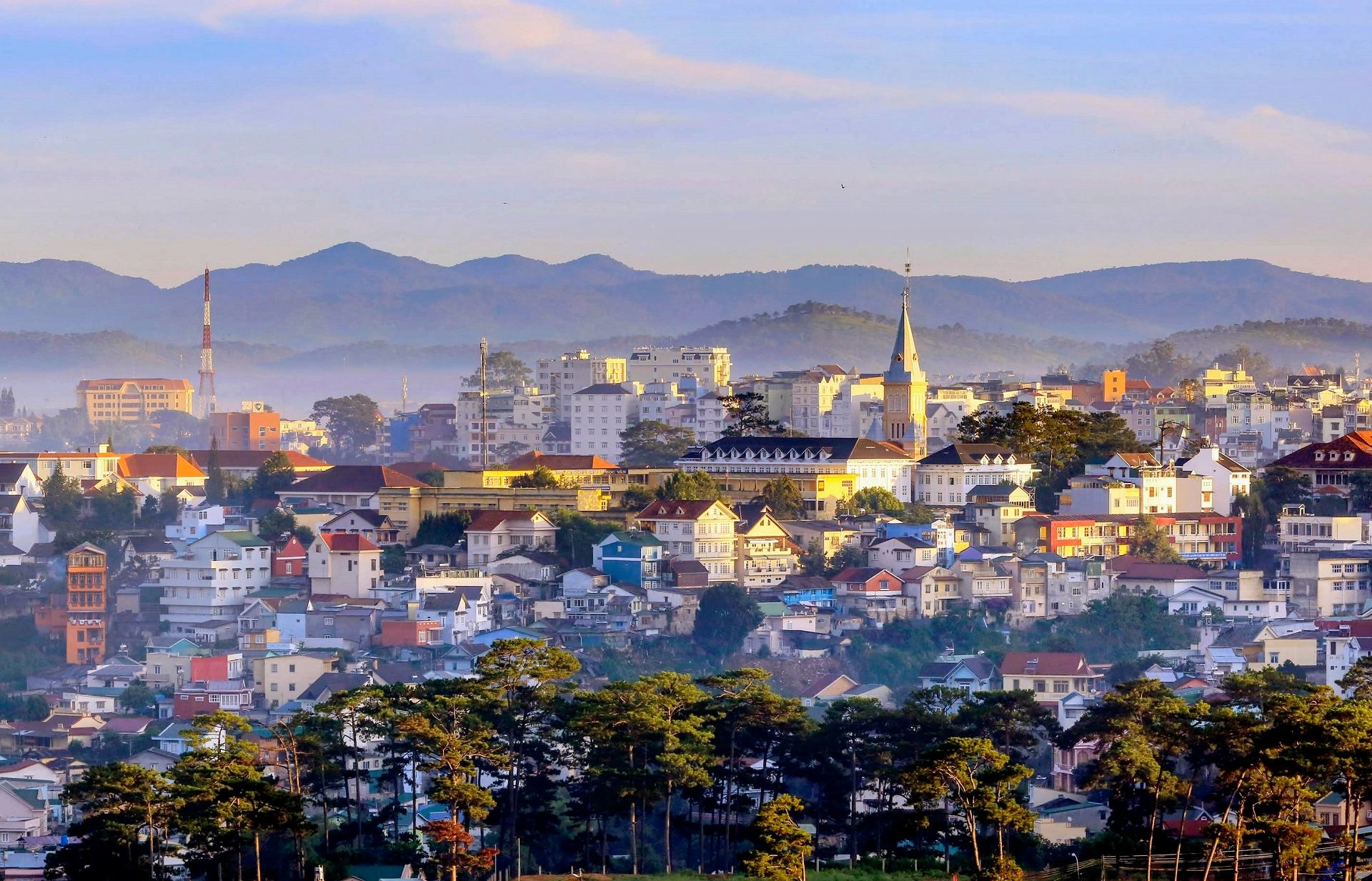
Nestled in the Central Highlands at 1,500 meters above sea level, Da Lat is known for cool weather, pine forests and romantic landscapes.
Whether you love nature, adventure, food or photography, the city offers a balanced mix of relaxation and exploration.
Overview of Da Lat: Geography, History and Identity
Da Lat is located in Lam Dong Province in Vietnam’s Central Highlands.
The city sits at an altitude of approximately 1,500 meters above sea level.
Its elevated position creates a temperate climate that contrasts strongly with Vietnam’s tropical lowlands.
This geographical advantage has shaped every aspect of life, agriculture and tourism in the region.
Surrounded by rolling hills, pine forests and fertile valleys, Da Lat enjoys a landscape rarely found elsewhere in the country.
Natural lakes, waterfalls and flower farms contribute to its distinct identity as a highland retreat.
Geographic Features and Natural Environment
Da Lat is part of the Langbiang Plateau, an area formed by volcanic activity millions of years ago.
The plateau’s rich basalt soil supports agriculture, especially vegetables, flowers and coffee.
Pine forests dominate the hillsides, creating a European-like scenery that surprises many visitors.
Morning mist often blankets the valleys, enhancing the city’s romantic atmosphere.
Several lakes define the urban landscape, including Xuan Huong Lake and Tuyen Lam Lake.
These bodies of water regulate temperature and serve as leisure spaces for locals and tourists.
Waterfalls such as Datanla and Pongour lie within driving distance of the center.
They reflect the region’s abundant rainfall and mountainous terrain.
The cool climate averages between 15°C and 24°C throughout the year.
This stability allows year-round cultivation and consistent tourism activity.
Historical Development and French Influence
Modern Da Lat began to take shape in the early 20th century.
French physician Alexandre Yersin first proposed the area as a mountain resort in 1893.
During the colonial period, the French developed Da Lat as a retreat from the heat of Saigon.
They built villas, schools, churches and administrative buildings in European architectural styles.
Wide roads, pine-lined avenues and carefully planned neighborhoods followed French urban design principles.
Even today, many colonial villas remain preserved across the city.
The Da Lat Railway Station, constructed in 1932, symbolizes this historical phase.
Its unique design blends French aesthetics with local cultural elements.
After Vietnam’s independence, Da Lat continued evolving as an educational and agricultural center.
Universities, research institutes and flower farms strengthened its economic role.
Cultural Identity and Local Communities
Beyond colonial architecture, Da Lat is home to indigenous ethnic groups.
The K’Ho people are among the original inhabitants of the Langbiang Plateau.
Their traditions, festivals and handicrafts contribute to the region’s cultural diversity.
Local markets often feature woven textiles and agricultural products from minority communities.
Over time, migration from other Vietnamese provinces diversified the population.
This mixture created a dynamic yet peaceful social environment.
Da Lat is widely known as a romantic destination.
Couples choose the city for honeymoons and wedding photography.
The nickname “City of Eternal Spring” reflects both its climate and lifestyle.
Life moves at a slower pace compared to major urban centers.
Economic Identity: Agriculture and Tourism
Agriculture plays a central role in Da Lat’s economy.
The cool climate allows cultivation of strawberries, artichokes, lettuce and high-quality flowers.
Da Lat supplies flowers to markets across Vietnam.
Annual flower festivals celebrate this agricultural strength.
Coffee production is another key sector.
Arabica beans grown in high altitudes produce refined flavors.
Tourism complements agriculture as a major income source.
Hotels, homestays and eco-tourism farms expand each year.
Unlike beach destinations, Da Lat focuses on scenery, climate and relaxation.
Its identity combines nature, culture and colonial heritage in one cohesive experience.
A City Between Tradition and Modern Growth
Although Da Lat continues to modernize, it retains much of its historic charm.
Urban development remains relatively controlled compared to coastal cities.
Cafés, creative studios and boutique hotels reflect a youthful energy.
At the same time, traditional markets preserve daily local life.
This balance between old and new defines Da Lat’s personality.
It is neither purely historical nor entirely modern.
For travelers following this Da Lat travel guide, understanding geography and history adds depth to every visit.
Each lake, villa and pine-covered hill tells a story shaped by climate, culture and time.
In essence, Da Lat is more than a tourist destination.
It is a highland city where natural beauty and layered history form a distinctive and lasting identity.
Climate and Best Time to Visit
Understanding the weather is essential in any Da Lat travel guide.
The city has two main seasons: dry and rainy.
Dry Season (November to April)
This is the most popular travel period.
Days are sunny and evenings are cool.
Temperatures range between 15°C and 24°C.
Outdoor activities such as trekking and sightseeing are more comfortable.
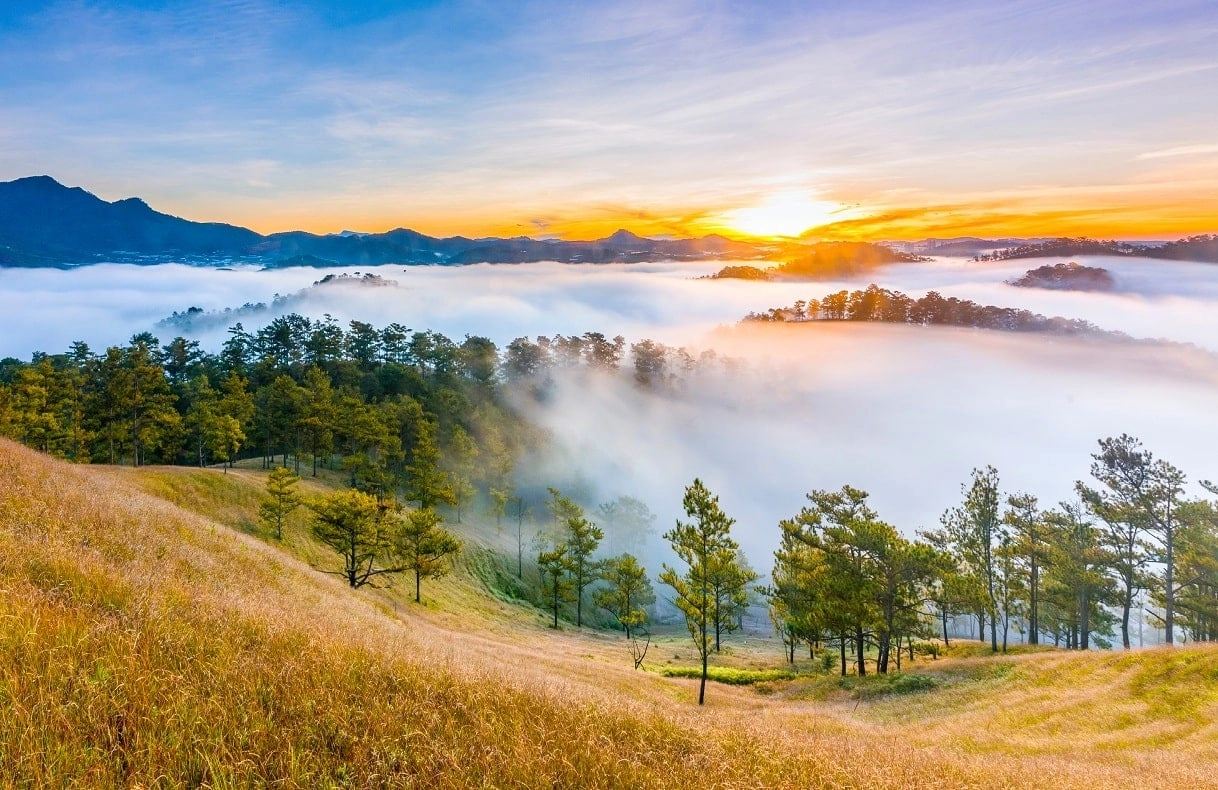
Cherry blossoms usually bloom in January.
The pink flowers attract photographers and couples.
Rainy Season (May to October)
Rain showers often occur in the afternoon.
Mornings are still suitable for outdoor exploration.
The landscape becomes greener and waterfalls flow more powerfully.
However, travelers should carry raincoats and waterproof bags.
Top Attractions Featured in This Da Lat Travel Guide
Da Lat combines natural beauty with cultural landmarks.
Below are must-visit sites for first-time travelers.
Xuan Huong Lake
Xuan Huong Lake lies at the city center.
It is a peaceful place for walking, jogging or cycling.
Morning mist creates a poetic atmosphere.
At night, lights reflect beautifully on the water.
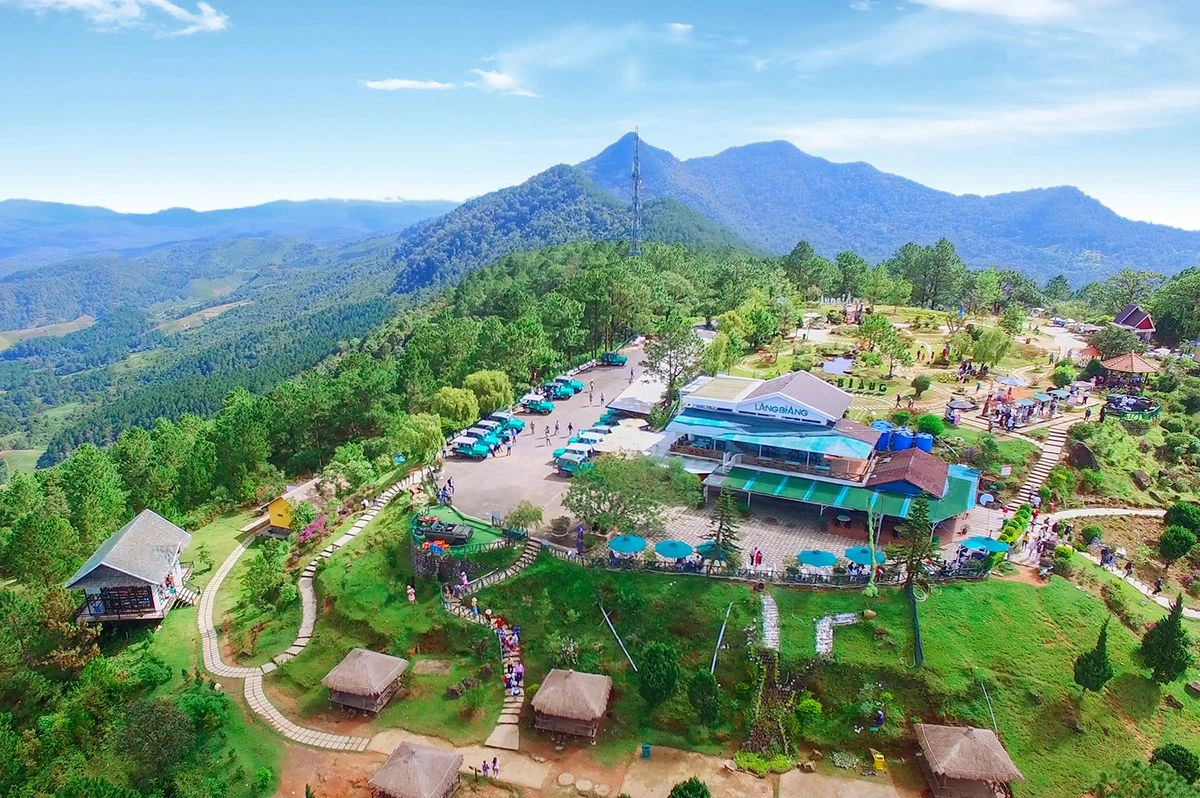
Langbiang Mountain
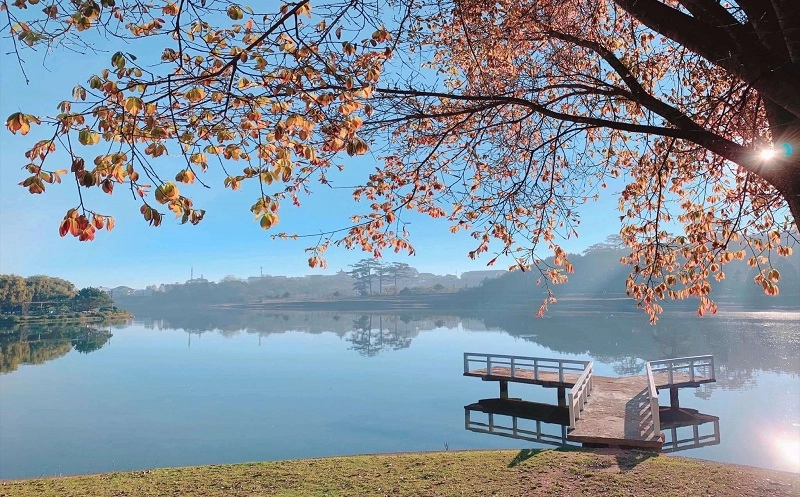
Langbiang Mountain is one of the highest peaks near the city.
It offers panoramic views of valleys and farmland.
Visitors can hike or take a jeep to the summit.
The viewpoint is ideal for sunrise and sunset photography.
Datanla Waterfall
Located about 5 kilometers from the center, Datanla Waterfall is easily accessible.
It features both natural scenery and adventure sports.
The alpine coaster ride is popular among young travelers.
The surrounding forest provides fresh mountain air.
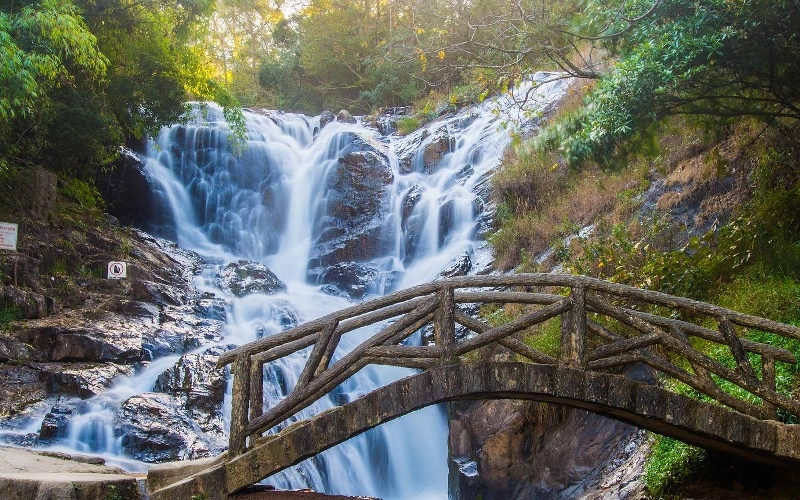
Alt: Datanla Waterfall surrounded by lush green forest
Crazy House (Hang Nga Guesthouse)
This unconventional building resembles a giant tree.
Its winding staircases and organic shapes surprise visitors.
The structure also functions as a guesthouse.
Its creative design reflects Da Lat’s artistic spirit.
Da Lat Railway Station
Built in 1932, the railway station shows strong French influence.
Its triangular roof symbolizes Langbiang Mountain.
Though only a short tourist route operates today,
the station remains a favorite photography spot.
Natural Experiences and Outdoor Activities
Beyond iconic landmarks, Da Lat encourages outdoor adventure.
Nature lovers will find many rewarding experiences.
Trekking Through Pine Forests
Pine forests surround much of the city.
Marked trails vary from easy walks to moderate hikes.
The scent of pine and cool breeze enhance the journey.
Early mornings offer the clearest views.
Camping and Cloud Hunting
Cloud hunting has become a travel trend in Da Lat.
Campers wake up before sunrise to see clouds covering valleys.
Tour providers supply tents, food and guidance.
Safety measures are usually included in organized tours.
Waterfall Exploration
Besides Datanla, other waterfalls such as Pongour and Elephant Waterfall attract visitors.
Each waterfall has distinct scenery and energy.
Some areas allow light trekking.
Comfortable footwear is recommended.
Food Specialties in This Da Lat Travel Guide
Da Lat’s cool climate shapes its culinary identity.
Warm dishes and fresh produce dominate local menus.
Banh Trang Nuong
Often called Vietnamese pizza, Banh Trang Nuong is grilled rice paper with toppings.
Egg, scallions and dried shrimp are common ingredients.
It is affordable and widely available at night markets.
The crispy texture makes it a favorite snack.
Banh Can
Banh Can consists of small rice cakes cooked in clay molds.
They are served with dipping sauce and meatballs.
This dish is especially comforting on chilly evenings.
Local eateries usually prepare it fresh.
Fresh Vegetables and Salads
Da Lat supplies vegetables nationwide.
Lettuce, tomatoes and artichokes are particularly famous.
Many restaurants offer fresh salads with light dressing.
The taste reflects the region’s fertile soil.
Avocado Ice Cream
Creamy avocados grow well in the highland climate.
Blended avocado with ice cream creates a smooth dessert.
The sweetness balances naturally with the fruit.
It is simple yet memorable.
Coffee Culture and Farm Tourism
Coffee is central to daily life in Da Lat.
Arabica beans thrive in cooler temperatures.
Scenic Cafés
Many cafés overlook hills and valleys.
Large glass windows maximize the mountain view.
Travelers often spend hours relaxing or working remotely.
The peaceful setting encourages slow travel.
Farm Visits
Strawberry and coffee farms welcome visitors.
Guests can learn about cultivation techniques.
Picking strawberries directly from the field is popular.
It also supports local farmers
Suggested 4-Day Itinerary
A structured plan helps optimize your time.
This Da Lat travel guide suggests a balanced four-day schedule.
Day 1: Central Highlights
Start with Xuan Huong Lake in the morning.
Visit Da Lat Railway Station and Flower Gardens.
In the evening, explore Da Lat Night Market.
Try local street food and warm soy milk.
Day 2: Adventure and Nature
Head to Datanla Waterfall early.
Continue to Langbiang Mountain for panoramic views.
Enjoy a quiet sunset at a hillside café.
Relax with locally roasted coffee.
Day 3: Culture and Architecture
Visit Crazy House and Domaine de Marie Church.
Explore Bao Dai Summer Palace.
Spend the afternoon at a strawberry farm.
Capture photos among greenhouses.
Day 4: Relaxation and Scenic Spots
Discover Tuyen Lam Lake for kayaking or walking.
Take a short forest trail nearby.
Enjoy your final evening with a romantic dinner.
Prepare for departure the next morning.
Accommodation Options
Da Lat offers diverse lodging choices.
Options range from budget hostels to luxury resorts.
Central hotels provide convenience.
Hillside homestays offer scenic tranquility.
Booking early is recommended during holidays.
Peak seasons attract many domestic visitors.ransportation and Getting Around
Lien Khuong Airport connects Da Lat with major Vietnamese cities.
Flights from Ho Chi Minh City take about one hour.
Sleeper buses operate daily from nearby provinces.
The road journey features scenic mountain passes.
Within the city, taxis and motorbike rentals are common.
Walking is convenient in central areas.
Responsible and Sustainable Travel
Da Lat’s natural beauty requires preservation.
Visitors should avoid littering and respect local customs.
Support local businesses when possible.
Choose eco-friendly tours and accommodations.
Small actions contribute to long-term sustainability.
Responsible tourism ensures future generations can enjoy the city.
Conclusion
This detailed Da Lat travel guide presents everything from attractions to cuisine and travel tips.
The city’s cool climate, pine forests and cultural heritage create a distinctive atmosphere in Vietnam.
Plan thoughtfully, travel responsibly and explore beyond the main attractions.
Start your Da Lat journey today and experience the charm of Vietnam’s most romantic highland destination.