

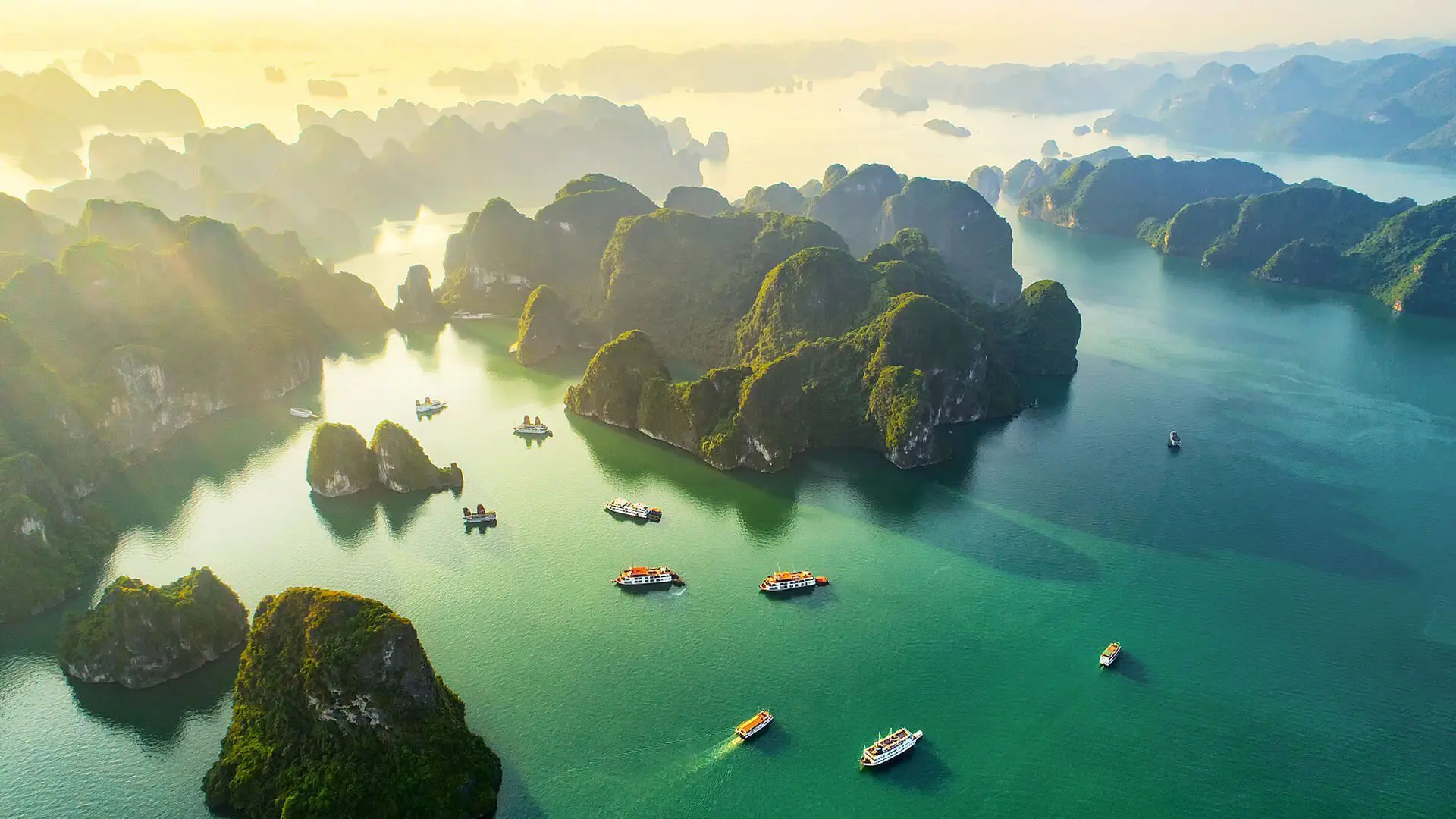
Ha Long Bay has long been regarded as one of Vietnam’s most iconic travel destinations. Recognized globally for its dramatic limestone formations and emerald waters, this extraordinary seascape attracts millions of visitors each year. But beyond the postcard-perfect images, what truly makes Ha Long Bay a World Natural Heritage Site of outstanding universal value? This article explores its geological significance, breathtaking landscapes, cultural heritage, and practical travel insights for those planning a journey to this remarkable destination.
Overview of Ha Long Bay and Its Global Recognition
Located in Quảng Ninh Province in northeastern Vietnam, Vịnh Hạ Long covers an area of more than 1,500 square kilometers. The bay features nearly 2,000 limestone islands and islets rising dramatically from the Gulf of Tonkin. These karst formations were shaped over millions of years through complex geological processes involving erosion, tectonic activity, and sea-level changes.
In 1994 and again in 2000, UNESCO officially recognized Ha Long Bay as a World Natural Heritage Site. The first recognition acknowledged its exceptional scenic beauty, while the second highlighted its geological and geomorphological value. Few destinations in Southeast Asia possess such a rare combination of scientific importance and aesthetic appeal.
The name “Ha Long” translates to “Descending Dragon,” inspired by a local legend in which dragons descended from the sky to protect Vietnam from invaders. According to folklore, the dragons created the limestone islands by spitting out jewels that transformed into rock formations. This myth adds cultural depth to the bay’s natural grandeur.
Geological Wonders and Limestone Karst Landscape
The limestone karst topography of Ha Long Bay represents one of the most complete and well-preserved examples in the world. Over 500 million years of geological evolution have contributed to its current landscape. Continuous weathering and marine erosion carved caves, arches, and isolated pillars, creating a complex network of formations.
Iconic Limestone Islets
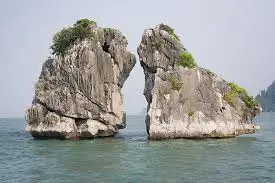
Many islands in Ha Long Bay bear distinctive shapes that spark imagination. Hon Ga Choi, often referred to as the “Fighting Cocks Islet,” resembles two roosters facing one another. Another notable formation is Hon Dinh Huong, shaped like a traditional incense burner. These natural sculptures have become symbolic images of Vietnamese tourism.
The dramatic vertical cliffs and narrow passages create a surreal environment. During sunrise and sunset, changing light conditions enhance the contrast between limestone peaks and calm waters. The visual harmony between rock, sky, and sea explains why Ha Long Bay is frequently described as a masterpiece of nature.
Spectacular Cave Systems
Ha Long Bay is home to an extensive system of caves formed by centuries of water infiltration and mineral deposition. Among the most famous is Hang Sửng Sốt, also known as Surprise Cave. It features massive chambers and intricate stalactites illuminated by natural light.

Động Thiên Cung, or Heavenly Palace Cave, is admired for its elaborate rock formations and myth-inspired structures. Meanwhile, Hang Đầu Gỗ holds both geological and historical significance, as it is associated with ancient military legends.
These caves not only attract tourists but also serve as valuable research sites for scientists studying karst landscapes. Their preservation remains crucial for maintaining the ecological balance of the region.
Biodiversity and Marine Ecosystem
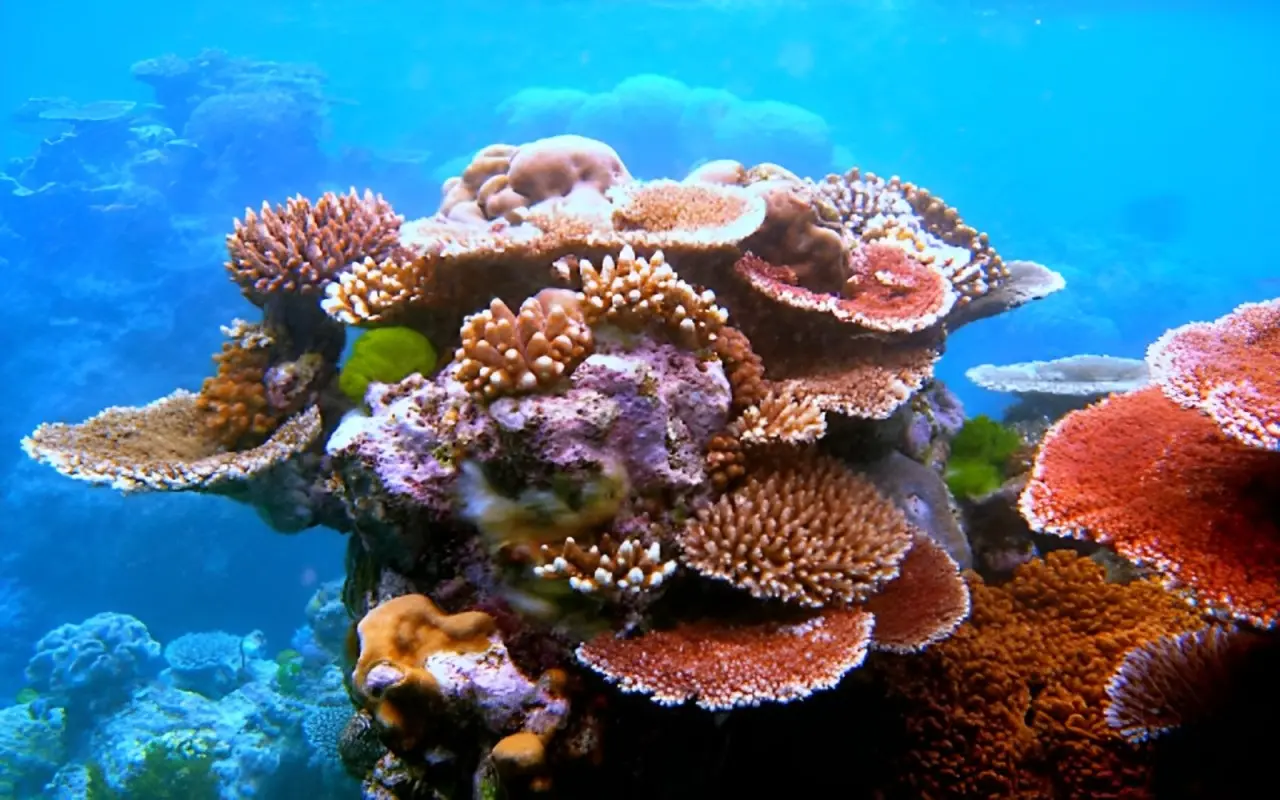
Beyond its striking appearance, Ha Long Bay supports diverse ecosystems. Mangroves, coral reefs, and seagrass beds provide habitats for numerous marine species. The bay hosts a wide variety of fish, mollusks, and crustaceans, contributing to both ecological stability and local livelihoods.
Bird species such as herons and kingfishers can be observed along the limestone cliffs. Certain islands also contain unique flora adapted to thin soil conditions. This biodiversity strengthens the bay’s environmental value and reinforces its global importance.
Sustainable tourism initiatives aim to reduce environmental impact. Regulations limit the number of cruise vessels operating in specific zones, while waste management systems are gradually improving. Responsible travel behavior plays an essential role in protecting Ha Long Bay’s fragile ecosystem.
Cultural Heritage and Local Communities
While nature dominates the landscape, human culture also shapes the identity of Ha Long Bay. Floating fishing villages once formed an integral part of daily life on the water. One of the best-known communities is Làng chài Cửa Vạn, where families traditionally lived in floating houses supported by wooden rafts.
Although modernization has transformed many aspects of life, cultural traditions remain visible. Visitors can learn about fishing techniques, boat building, and local culinary practices. Seafood, including squid and grouper, plays a central role in regional cuisine.
Local legends, festivals, and storytelling contribute to the intangible heritage of the area. Together, these elements create a multidimensional travel experience that goes beyond sightseeing.
Unmissable Experiences in Ha Long Bay
Ha Long Bay offers a wide range of activities suitable for different travel styles. From relaxation to adventure, visitors can tailor their itinerary according to preferences.
Overnight Cruise Experience
One of the most popular ways to explore Ha Long Bay is through an overnight cruise. Travelers can choose from budget-friendly boats to luxury vessels equipped with private cabins and panoramic decks. A typical 2-day-1-night cruise includes kayaking, cave visits, cooking demonstrations, and sunset viewing.
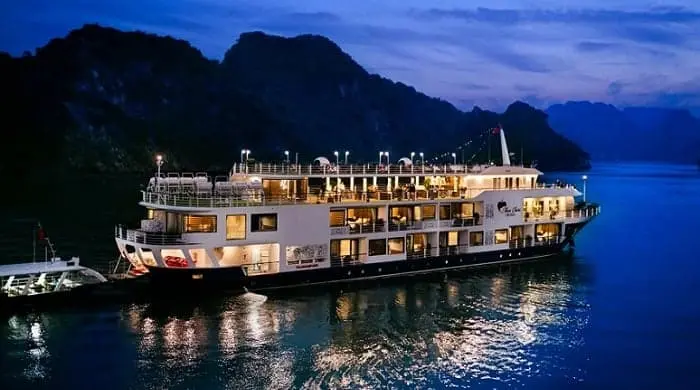
Spending the night on the bay allows guests to appreciate its tranquility. Early morning tai chi sessions on deck, followed by breakfast overlooking misty limestone peaks, provide memorable moments.
Kayaking and Water Activities
Kayaking offers a closer perspective of the karst landscape. Visitors can paddle through narrow lagoons and hidden caves inaccessible to larger boats. The calm waters make this activity suitable for beginners.
Swimming is permitted in designated areas, particularly near sandy beaches. Đảo Ti Tốp is famous for its crescent-shaped beach and panoramic viewpoint. Climbing to the summit rewards travelers with sweeping views of Ha Long Bay.
Photography and Scenic Exploration
Ha Long Bay presents countless photographic opportunities. The interplay of light and shadow across limestone pillars creates dramatic compositions. Drone photography has become increasingly popular, though regulations must be followed.
Seasonal variations also influence scenery. Spring often brings mild temperatures and clear skies, while autumn offers calm seas and comfortable humidity levels. Each season provides a slightly different visual atmosphere.
Practical Travel Information
Understanding practical considerations can enhance the overall experience in Ha Long Bay.
Best Time to Visit
The ideal period for visiting Ha Long Bay is from March to May and September to November. During these months, temperatures are moderate, and rainfall is limited. Summer attracts domestic tourists, resulting in higher demand for cruises.
Weather conditions may occasionally disrupt boat schedules. Monitoring forecasts before departure is recommended, especially during typhoon season.
Transportation Options
Ha Long Bay is approximately 2.5 to 3 hours by highway from Hanoi. Visitors can travel by private car, shuttle bus, or limousine van. The improved infrastructure has significantly reduced travel time compared to previous years.
Many tour packages include round-trip transportation from Hanoi. Independent travelers may also arrange transfers directly with cruise operators.
Budget and Pricing
Travel costs in Ha Long Bay vary significantly depending on the type of experience you choose. Prices are influenced by cruise category, cabin standard, duration of stay, and seasonal demand. Day tours are generally the most economical option and are suitable for travelers with limited time. These tours usually include basic sightseeing, entrance fees, and a simple meal on board.
A 2-day-1-night cruise is the most popular choice and offers a balance between cost and experience. Mid-range cruises provide comfortable cabins, full-board meals, guided excursions, kayaking, and sunset activities. Luxury cruises, on the other hand, feature spacious suites, private balconies, fine dining menus, spa services, and personalized itineraries. Naturally, these premium services come with higher rates.
Peak seasons, especially summer and public holidays, often lead to increased prices due to high demand. Booking early can help secure better deals. Travelers should also compare what is included in each package. Some tours cover transportation from Hanoi, entrance tickets, meals, and onboard activities, while others charge separately for transfers, beverages, or optional excursions.
To avoid unexpected expenses, it is advisable to confirm all inclusions and exclusions before payment. Reading detailed itineraries and verified customer reviews can help ensure transparency. Clear communication with cruise operators or travel agencies remains essential for budgeting accurately and planning a smooth trip.
Sustainable Tourism and Conservation Efforts
Preserving Ha Long Bay remains a priority for both authorities and international organizations. Environmental monitoring programs assess water quality and biodiversity levels. Education campaigns encourage visitors to minimize plastic waste and respect natural habitats.
Cruise operators increasingly adopt eco-friendly practices, such as using cleaner fuels and implementing waste treatment systems. Continued cooperation between stakeholders ensures that Ha Long Bay retains its World Natural Heritage status for future generations.
Responsible tourism also involves supporting local communities. Purchasing local products and respecting cultural norms contribute positively to the region’s economy.
Conclusion
Ha Long Bay stands as a remarkable example of nature’s artistic and geological power. Its limestone karsts, cave systems, marine biodiversity, and cultural heritage combine to create a destination of global significance. The recognition by UNESCO confirms its universal value, while ongoing conservation efforts aim to safeguard its beauty.
For travelers seeking a balanced journey of relaxation, exploration, and cultural discovery, Ha Long Bay offers a compelling choice. Careful planning and responsible travel practices will allow visitors to experience its majesty while preserving it for generations to come.