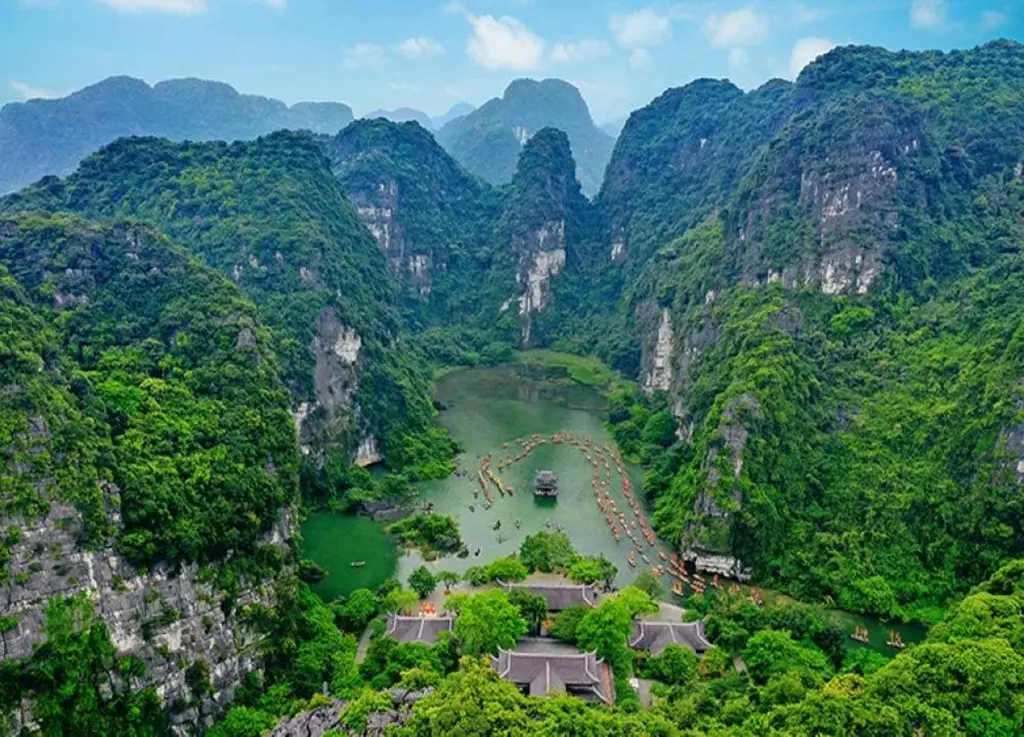


Sapa Vietnam is a famous mountain destination in northern Vietnam, known for its rice terraces, ethnic villages, cool climate, and stunning natural scenery. Located in Lao Cai Province near the Chinese border, Sapa attracts travelers who seek both adventure and cultural experiences in the highlands.
This Sapa travel guide provides complete information about what makes Sapa Vietnam special, the best attractions, trekking routes, cultural villages, local cuisine, and travel tips to help you plan an unforgettable journey.
Where Is Sapa Vietnam and Why Is It So Popular?
Sapa is a mountain town in Lao Cai Province, approximately 315 kilometers northwest of Hanoi. It sits at an altitude of around 1,600 meters above sea level, which gives Sapa Vietnam its cool and misty climate throughout the year.
What makes Sapa travel so attractive is the unique combination of natural beauty and cultural diversity. Towering mountains, deep valleys, and layered rice terraces create postcard-perfect scenery, while ethnic minority communities such as the Hmong, Dao, Tay, and Giay maintain traditional lifestyles that have existed for generations.
Another reason Sapa Vietnam attracts millions of visitors every year is its accessibility. With overnight trains and modern highways connecting Hanoi to Lao Cai, followed by a scenic mountain drive, reaching Sapa is much easier than in the past.
The Natural Beauty of Sapa Vietnam
Rice Terraces – The Icon of Sapa Travel
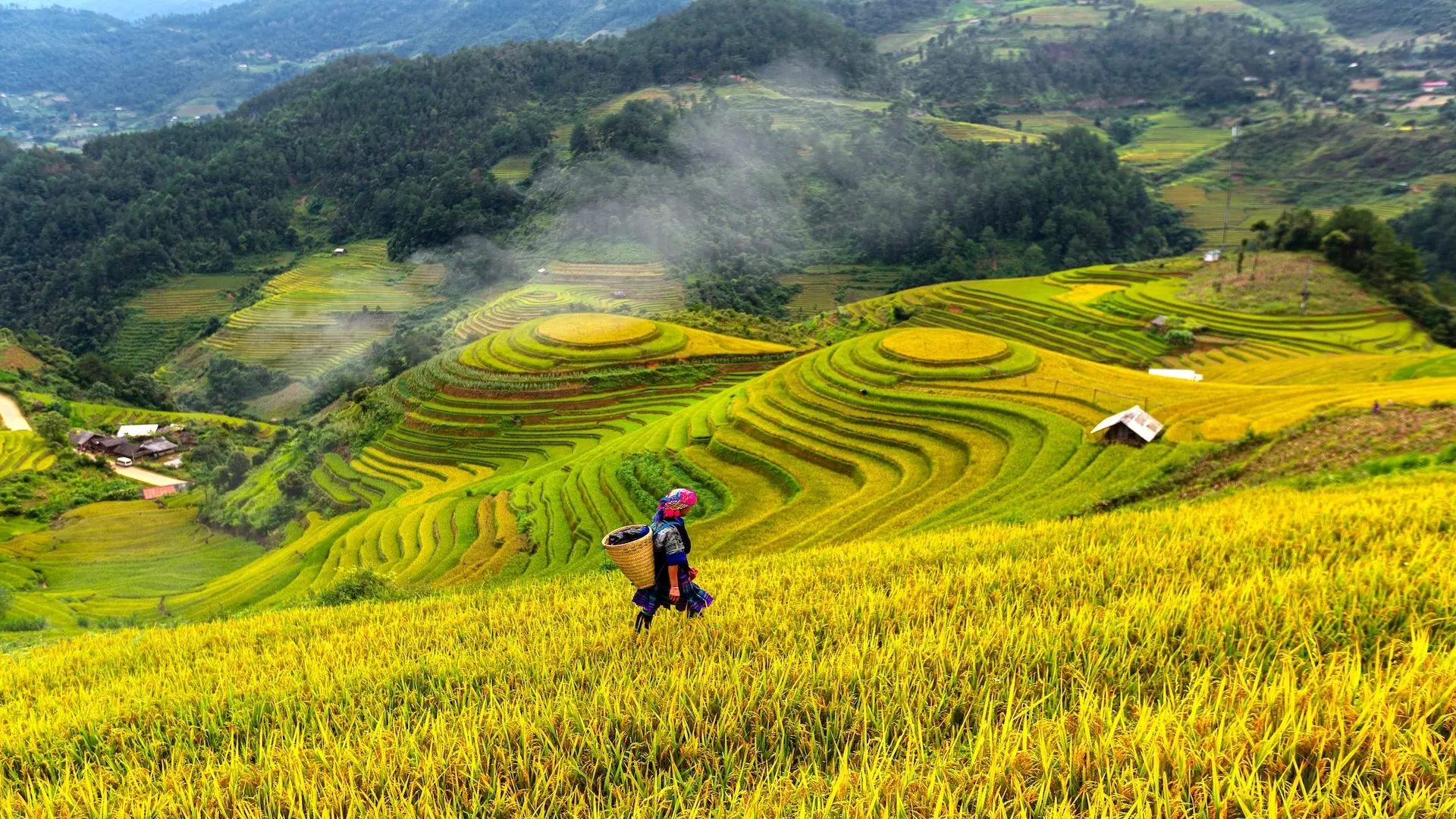
The rice terraces of Sapa Vietnam are considered among the most beautiful in Asia. Carved into steep mountain slopes over hundreds of years, these terraces reflect the harmony between humans and nature.
Villages such as Muong Hoa, Ta Van, Lao Chai, and Y Linh Ho are famous for endless layers of rice fields stretching across valleys. During harvest seasons, the fields turn golden, creating breathtaking panoramic views that attract photographers and nature lovers from around the world.
Fansipan Mountain – The Roof of Indochina

Fansipan Mountain is the highest peak in Indochina, standing at 3,143 meters above sea level. It is one of the top highlights of Sapa Vietnam and a major attraction for adventure seekers.
Today, visitors can reach the summit by modern cable car in just 15 minutes, making Fansipan accessible to travelers of all ages. From the top, visitors can admire spectacular cloud seas, mountain ranges, and spiritual architectural complexes featuring pagodas and giant Buddha statues.
For experienced trekkers, multi-day trekking routes to Fansipan still offer challenging and rewarding experiences through forests and remote mountain trails.
Waterfalls and Mountain Streams
Besides mountains and rice terraces, Sapa Vietnam is also home to beautiful waterfalls and crystal-clear streams. Silver Waterfall (Thac Bac) and Love Waterfall (Thac Tinh Yeu) are two of the most visited natural attractions in the area.
Silver Waterfall is located near the main road to Fansipan and offers impressive views of cascading water from high cliffs. Love Waterfall is hidden within forest trails and is ideal for visitors who enjoy short hikes combined with nature exploration.
Ethnic Villages and Cultural Experiences in Sapa Vietnam

Lao Chai and Ta Van Villages
Lao Chai and Ta Van are among the most popular villages for trekking in Sapa Vietnam. These villages are mainly inhabited by Black Hmong and Giay ethnic groups who preserve traditional stilt houses, farming practices, and handicrafts.
Walking through these villages allows visitors to experience authentic rural life, interact with local families, and learn about rice cultivation techniques that have been passed down for centuries.
Image ALT tag example
Cat Cat Village – Cultural Gateway Near Sapa Town
Cat Cat Village is located only a few kilometers from Sapa town center, making it an easy cultural stop for travelers with limited time. The village features traditional Hmong houses, weaving workshops, water wheels, and scenic viewpoints overlooking the valley.
Cat Cat Village is also known for cultural performances showcasing traditional music, costumes, and dances, providing visitors with an introduction to ethnic heritage in Sapa Vietnam.
Local Markets and Traditional Handicrafts
Sapa markets are colorful places where ethnic minorities sell handmade textiles, embroidered clothing, silver jewelry, and local agricultural products. The Sapa Love Market, once a cultural meeting place for young people seeking partners, is now a cultural tourism highlight held on weekends.
Buying handicrafts directly from local artisans not only supports community livelihoods but also allows travelers to bring home meaningful souvenirs from Sapa travel experiences.
Trekking and Outdoor Adventures in Sapa Vietnam
Trekking is one of the most popular activities in Sapa Vietnam. With diverse terrain ranging from gentle village paths to challenging mountain slopes, Sapa offers routes suitable for beginners and experienced hikers alike.
Popular trekking routes include:
-
Sapa – Lao Chai – Ta Van (easy to moderate)
-
Sapa – Y Linh Ho – Lao Chai – Ta Van (moderate)
-
Fansipan trekking routes (advanced)
Trekking tours usually include local guides who share cultural insights and ensure safety on mountain trails. Along the way, trekkers cross suspension bridges, bamboo forests, terraced valleys, and remote villages rarely seen by mass tourism.
Food and Local Cuisine in Sapa Vietnam
Traditional Mountain Dishes
Sapa Vietnam offers unique mountain cuisine that reflects cold-weather conditions and ethnic culinary traditions. Popular local dishes include grilled pork skewers, black chicken hotpot, salmon hotpot, and bamboo-tube rice.
Street food stalls in Sapa town center are famous for grilled meats, corn, chestnuts, and sweet potatoes, especially popular during cool evenings.
Fresh Ingredients from Local Farms
Many restaurants in Sapa source vegetables directly from nearby farms. Mustard greens, chayote, mushrooms, and herbs are grown on mountain slopes and harvested daily, ensuring freshness and strong natural flavors.
Dining in Sapa Vietnam is not only about taste but also about enjoying meals with mountain views and misty landscapes.
Best Things to Do in Sapa Vietnam

Travelers visiting Sapa Vietnam can enjoy a wide range of activities:
-
Ride the Fansipan cable car
-
Trek through rice terraces and ethnic villages
-
Visit waterfalls and mountain viewpoints
-
Explore local markets and handicraft shops
-
Enjoy mountain cuisine and local hotpot
-
Experience homestay accommodation with ethnic families
Each activity offers a different perspective on Sapa travel, combining relaxation, adventure, and cultural discovery.
Accommodation Options in Sapa Vietnam
Sapa offers accommodation for every budget, from luxury resorts to family-run homestays.
Luxury resorts provide panoramic mountain views, spa services, and private balconies overlooking valleys. Mid-range hotels in Sapa town are convenient for shopping and dining, while village homestays allow travelers to experience traditional lifestyles and hospitality.
Staying in villages like Ta Van or Lao Chai is especially popular among travelers seeking peaceful environments and authentic cultural immersion.
Practical Travel Tips for Visiting Sapa Vietnam
When planning Sapa travel, visitors should consider the following tips:
-
Wear comfortable walking shoes for trekking
-
Bring warm clothing, especially in the evenings
-
Prepare rain protection during wet seasons
-
Respect local customs and ask before taking photos
-
Support local businesses and community tourism
Transportation from Hanoi to Sapa Vietnam can be done by overnight train to Lao Cai followed by a shuttle bus, or by direct sleeper bus to Sapa town.
Why Sapa Vietnam Should Be on Your Travel List
Sapa Vietnam stands out as a destination where nature and culture blend seamlessly. Few places in Southeast Asia offer such dramatic mountain scenery combined with deeply rooted ethnic traditions.
Whether you are seeking adventure through trekking, peaceful landscapes for relaxation, or meaningful cultural encounters, Sapa travel delivers diverse experiences in one compact destination.
With continuous improvements in tourism infrastructure and sustainable community-based tourism models, Sapa remains one of the most rewarding places to explore in northern Vietnam.
Conclusion
Sapa Vietnam is more than just a scenic mountain town. It is a living cultural landscape shaped by generations of ethnic communities who have transformed steep mountains into productive rice terraces and preserved unique traditions in modern times.
From Fansipan Mountain to peaceful village valleys, from colorful markets to quiet forest trails, Sapa travel offers unforgettable moments for every traveler. For anyone planning a journey to northern Vietnam, Sapa deserves a top position on the itinerary.